
Why Tulsi Thrives in Full Sun and Struggles in Winter Cold

Walk through any Indian neighbourhood at dawn and you will find tulsi in a clay pot on a chaura, in a painted cement planter outside a door, or rooted directly into courtyard soil. The plant looks simple. It is not. Tulsi is a tropical perennial that evolved in warm, humid lowlands, and every preference it has, for sun, for heat, for drainage, traces back to that origin.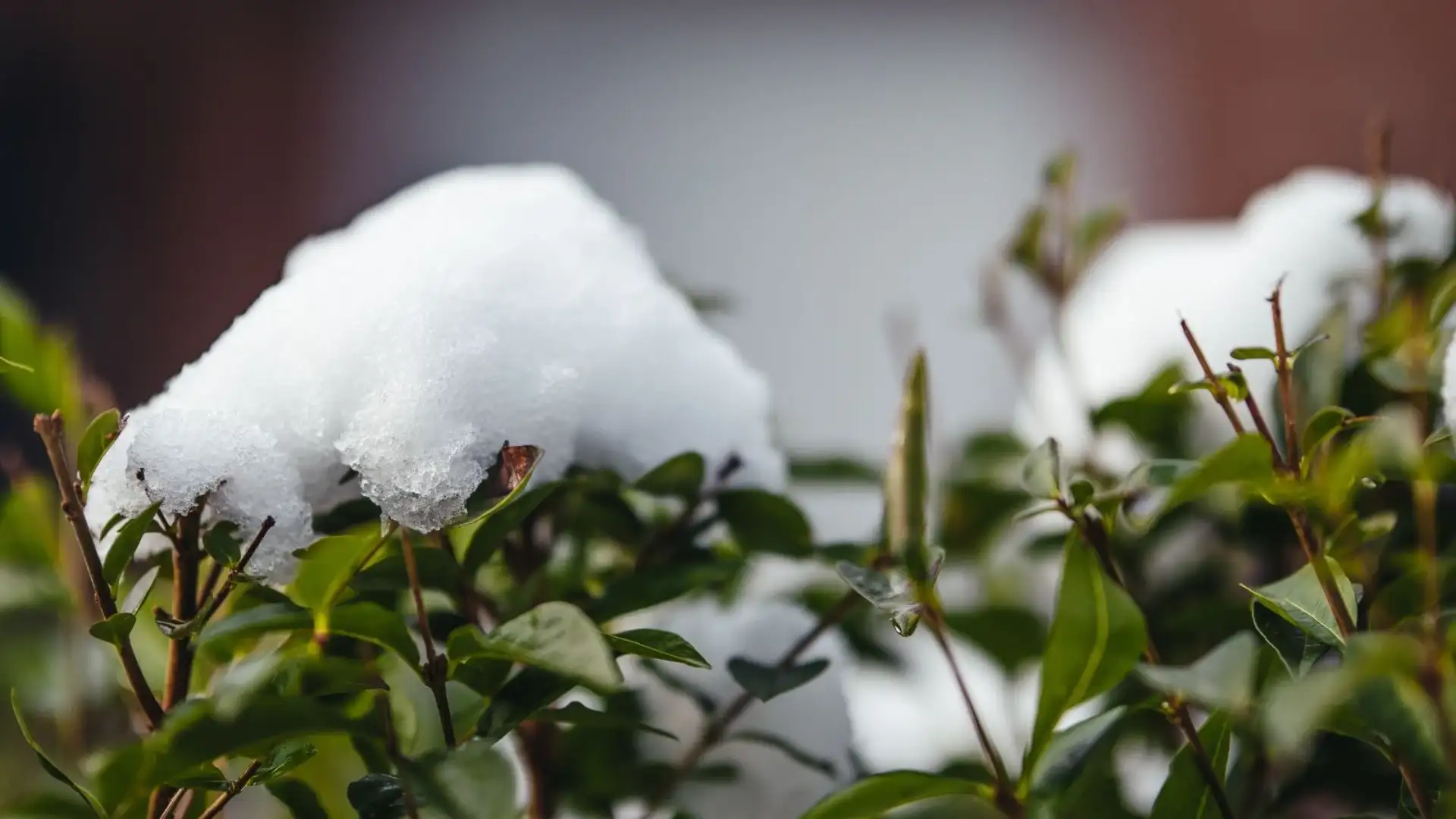
What Full Sun Actually Does for Tulsi
Tulsi needs six to eight hours of direct sunlight each day, and this is not a preference but a biological requirement. Sunlight drives photosynthesis, which produces the sugars the plant uses for everything: root growth, new leaves, the volatile oils that give tulsi its distinctive smell. When light drops below that threshold, the plant cannot produce enough energy to maintain its oil content or its immunity to fungal infection. Leaves thin out, stems stretch toward whatever light is available, and the plant becomes visibly leggy and pale. A tulsi kept in partial shade still grows, but it is running on a deficit. The fragrance is weaker, the leaves are smaller, and the plant is less able to resist the powdery mildew that loves low-light, humid conditions. Full sun is not just growth fuel, it is also a kind of sanitation.Why Cold Damages Tulsi at the Root Level
Tulsi is a C3 plant, which means its photosynthesis enzymes work best at temperatures between roughly 25°C and 35°C. As temperatures fall below 15°C, those enzymes slow. Below 10°C, they begin to malfunction. The cell membranes in tulsi's leaves and stems contain fats that stay fluid at tropical temperatures. Cold causes those fats to stiffen and lose their structure, which is why a tulsi leaf exposed to frost turns black and collapses, the cell walls have physically broken down, not just gone dormant. This is different from how a mango tree or a neem handles cold. Those trees have adaptations that let them slow their metabolism and wait. Tulsi has no such mechanism. It is not cold-tolerant; it is cold-naive. When the temperature drops, it does not prepare, it simply sustains damage.The Soil and Water Connection in Cold Months
Cold weather compounds the problem through the soil. Tulsi roots take up water and nutrients through a process that requires warmth. In cold, waterlogged soil, roots cannot absorb properly, and the plant begins to show what looks like drought stress even when the soil is wet. Overwatering tulsi in winter is one of the most common ways the plant is lost. The instinct to water more when the plant looks stressed is understandable, but wet cold soil encourages root rot, a fungal condition that destroys the root system from below while the leaves are still green. In winter, tulsi wants drier soil and far less water than it takes in summer. The pot should be allowed to dry almost completely between waterings.How the Courtyard Pot Helps, and When It Doesn't
The practice of keeping tulsi in a raised clay pot or chaura is older than any written record of it, and it turns out to be well-suited to the plant's biology. A clay pot drains freely, which tulsi prefers. The raised position keeps it away from cold ground, which retains chill longer than air does. On a south-facing wall or in an open courtyard that catches afternoon sun, a potted tulsi gets maximum light and some reflected warmth from the ground and wall. The problem comes in dense urban flats where the only available spot is a north-facing balcony or a window that gets two hours of filtered light. In those conditions, tulsi survives rather than thrives. Moving the pot to the brightest available spot in winter, even if that means a different room, is more useful than any fertiliser.What the Seasonal Decline Is Telling You
When tulsi drops leaves in November and looks bare by December, many households assume the plant is dying and replace it. Often it is not dying, it is responding honestly to conditions it was not built for. A tulsi that has shed most of its leaves but still has green stems at the base can recover when temperatures rise and light returns. The stem colour is the indicator: green or dark purple means the vascular tissue is alive; grey or brown and dry means the plant is gone. Keeping a struggling tulsi in a warm spot indoors near a bright window through the coldest weeks, and holding back water almost entirely, gives it the best chance of returning in spring. The plant's resilience is real. It just needs the right conditions to show it.Next Story