
Why Gujarati Food Always Has a Hint of Sweetness

Gujarati cooking is built around a principle most other regional cuisines do not share: every dish should carry all six rasas, the six tastes of Ayurvedic tradition, sweet, sour, salty, pungent, bitter, and astringent, in a single meal, and ideally within a single bite. Sweetness, in this framework, is not a dessert category. It is a structural element, as necessary as salt.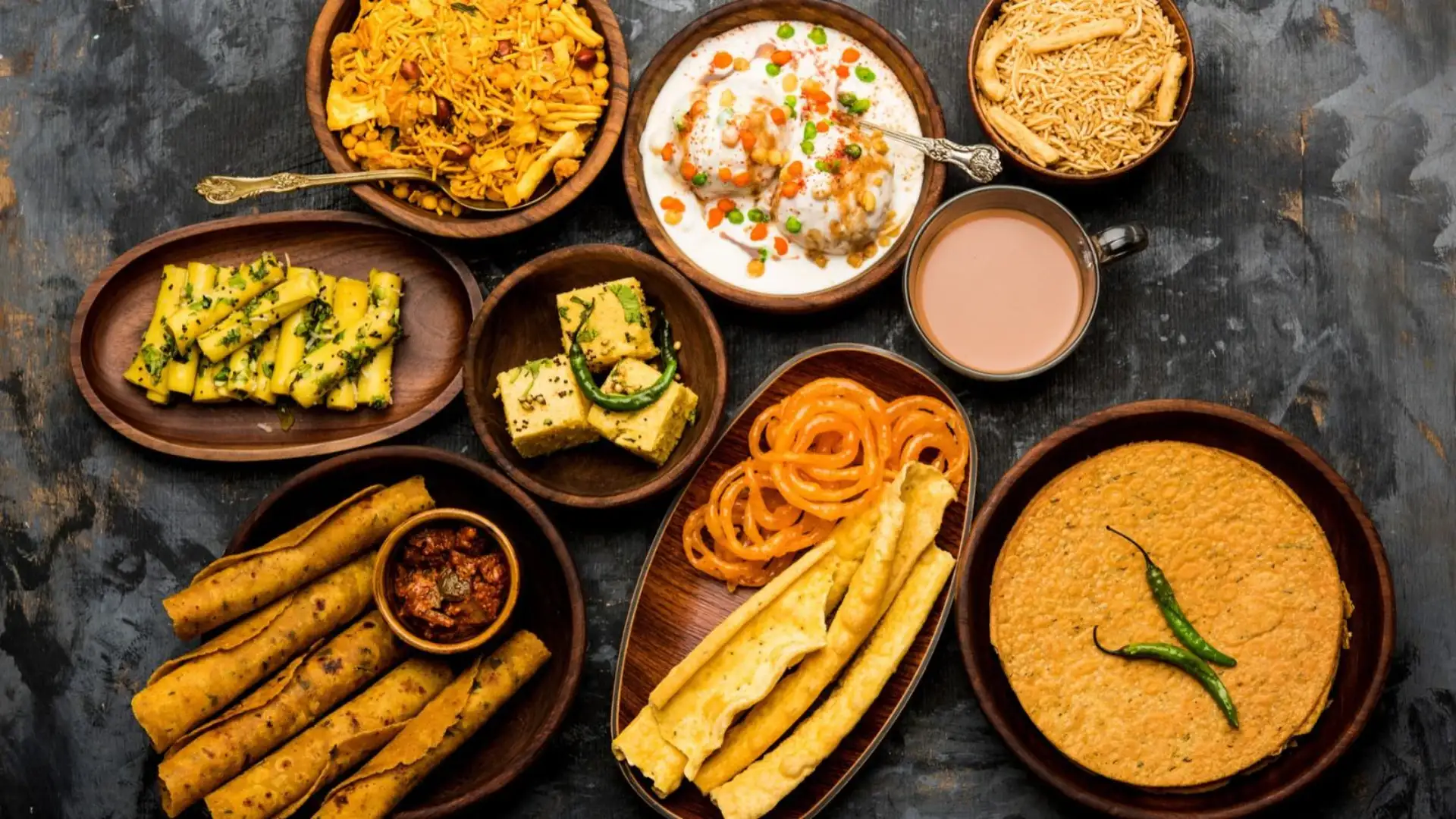
Jaggery, called gol in Gujarati, became the default sweetener not as a luxury addition but as a pantry staple as common as turmeric. Cooks reached for it the way a Tamil cook reaches for tamarind: automatically, because it was always there. The sweetness in Gujarati food is partly the sweetness of a region that grew up next to its sugar supply.
The Jain community, which has had an outsized influence on Gujarati cuisine, also brought a philosophical dimension: ahimsa extended to food, with a preference for preparations that were gentle, balanced, and never aggressively hot. Sweetness softens heat. In a cuisine shaped partly by Jain sensibility, that softening was a feature, not a compromise.
A well-made Gujarati dal does not taste like dessert, it tastes complete. The sweetness is the reason you cannot immediately name what makes it so satisfying. It is doing structural work below the threshold of conscious recognition.
The same logic applies in a shaak: the pinch of sugar in a batata nu shaak is not there to make potato taste sweet. It is there to keep the mustard seeds and the dried chilli from feeling sharp.
The sweetness that people associate with Gujarati food is, in many cases, specifically central and southern Gujarati cooking. Calling the whole cuisine uniformly sweet is like calling all of Punjab's food uniformly buttery: true enough as a signal, imprecise as a description.
The touch of sweetness in a Gujarati thali is not a single decision made by a single cook. It is the accumulated logic of a landscape that grew sugarcane, a philosophy that sought balance across all six tastes, a trading culture that valued accommodation, and a Jain influence that preferred gentleness over aggression. Each bowl on the thali carries all of that history quietly, underneath the spice.
The Geography That Made Sugar Cheap
Sugarcane has grown in Gujarat's southern districts for centuries, and the state has historically been one of India's largest producers of jaggery. When an ingredient is abundant and affordable, it finds its way into the everyday kitchen.Jaggery, called gol in Gujarati, became the default sweetener not as a luxury addition but as a pantry staple as common as turmeric. Cooks reached for it the way a Tamil cook reaches for tamarind: automatically, because it was always there. The sweetness in Gujarati food is partly the sweetness of a region that grew up next to its sugar supply.
A Trading Culture and Its Palate
Gujarat's coastline made it a trading hub for centuries. Merchants from across the subcontinent and beyond passed through its ports, and Gujarati traders themselves travelled widely. A community that trades learns early that a palate which can accommodate many flavours is a palate that can sit at many tables.The Jain community, which has had an outsized influence on Gujarati cuisine, also brought a philosophical dimension: ahimsa extended to food, with a preference for preparations that were gentle, balanced, and never aggressively hot. Sweetness softens heat. In a cuisine shaped partly by Jain sensibility, that softening was a feature, not a compromise.
What the Sweetness Actually Does
In a dal dhokli or a toor dal, the jaggery does something specific: it rounds the edges of the tamarind's sourness and the chilli's heat, holding the flavours in a relationship rather than letting any one of them dominate. This is different from making something taste sweet.A well-made Gujarati dal does not taste like dessert, it tastes complete. The sweetness is the reason you cannot immediately name what makes it so satisfying. It is doing structural work below the threshold of conscious recognition.
The same logic applies in a shaak: the pinch of sugar in a batata nu shaak is not there to make potato taste sweet. It is there to keep the mustard seeds and the dried chilli from feeling sharp.
The Regional Variation Within Gujarat
Not all of Gujarat cooks the same way. Kathiawadi food, from the Saurashtra peninsula, is considerably spicier and less sweet than what comes out of Ahmedabad or Surat. Surti cuisine leans sweeter still, the Surti undhiyu and the Surti locho carry a gentleness that reflects the city's particular food culture.The sweetness that people associate with Gujarati food is, in many cases, specifically central and southern Gujarati cooking. Calling the whole cuisine uniformly sweet is like calling all of Punjab's food uniformly buttery: true enough as a signal, imprecise as a description.
The touch of sweetness in a Gujarati thali is not a single decision made by a single cook. It is the accumulated logic of a landscape that grew sugarcane, a philosophy that sought balance across all six tastes, a trading culture that valued accommodation, and a Jain influence that preferred gentleness over aggression. Each bowl on the thali carries all of that history quietly, underneath the spice.