
Why Your Old T-Shirts Release Microplastics Every Time You Wash Them

Most people think plastic pollution comes from bottles, wrappers, or takeaway packaging left on streets and beaches. What often goes unnoticed is that one of the biggest sources of microplastic pollution may already be sitting inside your wardrobe. Every time synthetic clothes are washed, they release thousands of tiny plastic fibres into water systems, many of which eventually end up in rivers, oceans, and even the food chain.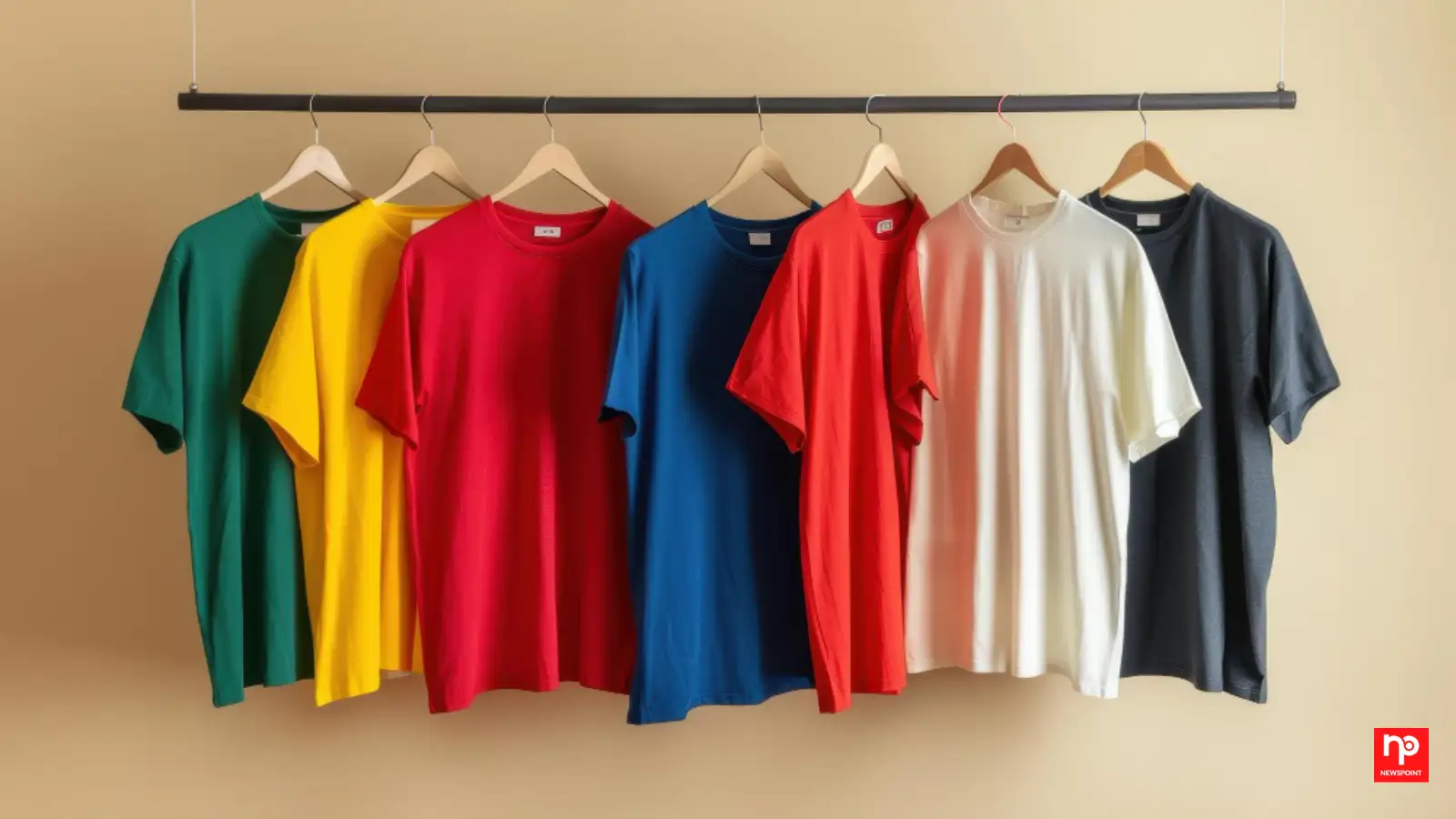
It sounds dramatic, but researchers across Europe have repeatedly found microscopic fibres from clothing in drinking water, seafood, and indoor dust. The surprising part is that these fibres do not come from industrial factories alone. They come from ordinary daily habits like washing gym wear, fleece jackets, polyester T-shirts, and stretch denim.
Unlike natural fibres such as cotton or wool, these particles do not fully biodegrade. Wastewater treatment plants can capture some of them, but millions still escape into rivers and seas each day. Once there, they are consumed by marine life and slowly move through ecosystems.
Scientists have even detected microplastics in human blood and lung tissue. While research is still ongoing, experts are increasingly concerned about the long-term health effects of constant exposure.
Older clothing was usually made with heavier natural fabrics and built to last longer. Today, a low-cost fleece hoodie can shed large amounts of microfibres after just a few washes.
Sportswear is another major contributor. Moisture-wicking gym clothes are typically made from polyester blends that release fibres continuously over time.
Many households are now using washing machine filters specifically designed to trap microfibres before they enter drainage systems. Rewearing clothes instead of washing them after every single use can also make a noticeable difference.
Buying fewer but better-quality garments matters too. Well-made clothes generally shed less fibre than cheaply manufactured fast fashion items.
The shirt hanging in a wardrobe may look soft and harmless, yet over time it can quietly contribute to one of the planet’s fastest-growing pollution challenges. Understanding that connection is becoming increasingly important as consumers rethink what sustainability really means in daily life.
It sounds dramatic, but researchers across Europe have repeatedly found microscopic fibres from clothing in drinking water, seafood, and indoor dust. The surprising part is that these fibres do not come from industrial factories alone. They come from ordinary daily habits like washing gym wear, fleece jackets, polyester T-shirts, and stretch denim.
Why Synthetic Fabrics Shed Tiny Plastic Fibres
Modern clothing is heavily dependent on synthetic materials because they are cheap, durable, and easy to mass produce. Polyester, nylon, acrylic, and elastane are all forms of plastic. During washing, friction inside the drum breaks loose microscopic fibres from the fabric surface.Unlike natural fibres such as cotton or wool, these particles do not fully biodegrade. Wastewater treatment plants can capture some of them, but millions still escape into rivers and seas each day. Once there, they are consumed by marine life and slowly move through ecosystems.
Scientists have even detected microplastics in human blood and lung tissue. While research is still ongoing, experts are increasingly concerned about the long-term health effects of constant exposure.
Why Fast Fashion Made the Problem Worse
The rise of fast fashion changed how people buy clothes. Many garments today are designed to be lightweight, stretchy, and inexpensive, which often means higher synthetic fibre content. Clothes are also washed more frequently than in previous generations because modern fashion encourages constant use and quick replacement.Older clothing was usually made with heavier natural fabrics and built to last longer. Today, a low-cost fleece hoodie can shed large amounts of microfibres after just a few washes.
Sportswear is another major contributor. Moisture-wicking gym clothes are typically made from polyester blends that release fibres continuously over time.
Small Changes That Actually Help
Completely avoiding synthetic fabrics is difficult, but reducing fibre pollution is possible with small practical habits. Washing clothes in colder water and shorter cycles creates less friction. Full laundry loads also reduce fabric movement inside the machine.Many households are now using washing machine filters specifically designed to trap microfibres before they enter drainage systems. Rewearing clothes instead of washing them after every single use can also make a noticeable difference.
Buying fewer but better-quality garments matters too. Well-made clothes generally shed less fibre than cheaply manufactured fast fashion items.
The Bigger Environmental Question
Microplastic pollution from clothing reveals something important about modern environmental problems. Many of today’s biggest ecological issues are invisible. They are not always dramatic oil spills or piles of rubbish. Sometimes they come from everyday routines that seem completely harmless.The shirt hanging in a wardrobe may look soft and harmless, yet over time it can quietly contribute to one of the planet’s fastest-growing pollution challenges. Understanding that connection is becoming increasingly important as consumers rethink what sustainability really means in daily life.
Next Story