
The Slow Getting to Know You That Begins After an Arranged Marriage

You know his coffee order before you know what makes him go quiet for a whole evening. You know she laughs loudly at her own jokes before you know what she is afraid of. The arranged marriage begins in the middle of the story, and the beginning has to be assembled afterward, out of order, in the margins of a shared life that is already underway.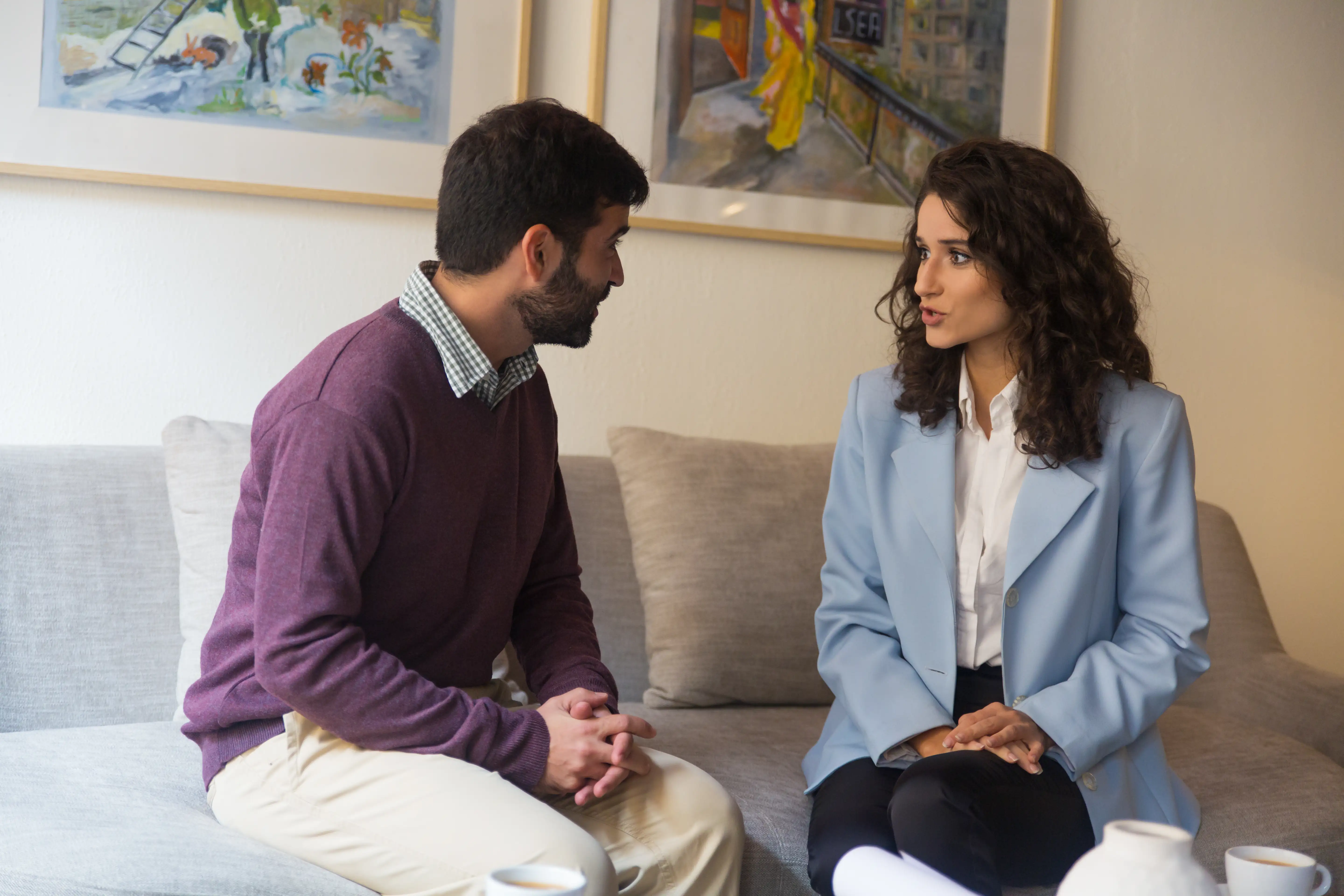
The couples who describe this period well tend to use the same words: strange, tender, careful. Strange because the intimacy is real before the familiarity is. You share a bed with someone whose childhood you are only beginning to ask about. Tender because the effort is visible on both sides. Careful because neither of you wants to be the one who makes the other feel like a stranger in their own home.

There is a specific kind of knowledge that only comes from proximity. How he sleeps. What she sounds like when she is genuinely worried versus performatively worried. The face he makes when he is pretending to agree. The thing she says when she means the opposite. This knowledge cannot be rushed. It accumulates the way sediment does, so slowly you do not notice it happening, until one day you look and there is a whole landscape that was not there before.
This is where the getting-to-know-you of an arranged marriage diverges from the romantic ideal. It happens in the kitchen at eleven at night, not over candlelit dinners. It happens in the argument about whose family to visit, not in the conversation about dreams. It is less cinematic and more honest. The person you are getting to know is the person they actually are, not the person they were trying to be when they wanted you to like them.

Families and friends sometimes ask, early on, whether you feel like you know each other yet. The question assumes a threshold, a point of arrival. The people who have been through this tend to stop believing in the threshold. You know someone and then you know them more. The getting-to-know-you does not end. It just stops feeling like effort and starts feeling like paying attention.
What the arranged marriage asks of two people is not certainty before commitment but willingness after it, the willingness to keep turning toward someone while the picture of them is still coming into focus. That is not so different from what any marriage eventually requires. It just asks for it at the beginning, before the comfort settles in and the turning becomes automatic.
The First Few Months Are an Archaeology
You are not falling in love so much as excavating someone. Every small discovery lands with a particular weight because nothing was predicted. He leaves his shoes precisely at the door every single night. She makes tea the way her mother made it, with too much ginger, and she does not know she is doing it. These are not romantic revelations. They are data points that slowly arrange themselves into a person.The couples who describe this period well tend to use the same words: strange, tender, careful. Strange because the intimacy is real before the familiarity is. You share a bed with someone whose childhood you are only beginning to ask about. Tender because the effort is visible on both sides. Careful because neither of you wants to be the one who makes the other feel like a stranger in their own home.
What You Learn That You Could Not Have Asked
A matrimonial profile, a handful of meetings, a phone call or two, none of it tells you how someone handles a bad day. You find out when the bad day arrives. He goes silent and needs an hour alone before he can talk. She needs to say the thing out loud before she can let it go. Neither approach is wrong. Neither was visible in advance. The arrangement gave you a person; the marriage gives you the instruction manual, one page at a time.There is a specific kind of knowledge that only comes from proximity. How he sleeps. What she sounds like when she is genuinely worried versus performatively worried. The face he makes when he is pretending to agree. The thing she says when she means the opposite. This knowledge cannot be rushed. It accumulates the way sediment does, so slowly you do not notice it happening, until one day you look and there is a whole landscape that was not there before.
The Conversations That Do Not Happen in Courtship
Love marriages carry their own mythology, the long courtship, the building knowledge, the certainty earned before the commitment. But that mythology has a gap in it. Courtship is performance. Both people are, to varying degrees, presenting a version of themselves that is real but curated. The arranged marriage skips the courtship and lands in the unedited version faster. The editing stops sooner because there is no audience left to perform for.This is where the getting-to-know-you of an arranged marriage diverges from the romantic ideal. It happens in the kitchen at eleven at night, not over candlelit dinners. It happens in the argument about whose family to visit, not in the conversation about dreams. It is less cinematic and more honest. The person you are getting to know is the person they actually are, not the person they were trying to be when they wanted you to like them.
When the Strangeness Becomes Familiar
There is no single moment when a stranger becomes a known person. There is a morning when you realise you already knew he would say that. There is an evening when she finishes your sentence and gets it exactly right. There is a fight that ends the way fights between people who know each other end, not perfectly, but with the specific repair that works for these two people in this particular household.Families and friends sometimes ask, early on, whether you feel like you know each other yet. The question assumes a threshold, a point of arrival. The people who have been through this tend to stop believing in the threshold. You know someone and then you know them more. The getting-to-know-you does not end. It just stops feeling like effort and starts feeling like paying attention.
What the arranged marriage asks of two people is not certainty before commitment but willingness after it, the willingness to keep turning toward someone while the picture of them is still coming into focus. That is not so different from what any marriage eventually requires. It just asks for it at the beginning, before the comfort settles in and the turning becomes automatic.
Next Story