
Flowers That Can Reflect UV Patterns Invisible to Humans: Nature's Hidden Messages

A colourful flower may look beautiful to human eyes, but what we see is only part of the story. Many flowers hide intricate ultraviolet (UV) patterns that are completely invisible to us but stand out brilliantly to bees, butterflies and other pollinators. These hidden markings act like natural landing guides, directing insects towards nectar and pollen with remarkable precision. Scientists have discovered that countless flowering plants rely on these invisible signals to improve pollination and increase their chances of reproduction. This fascinating adaptation reveals that nature is full of secret communication systems operating just beyond the limits of human vision.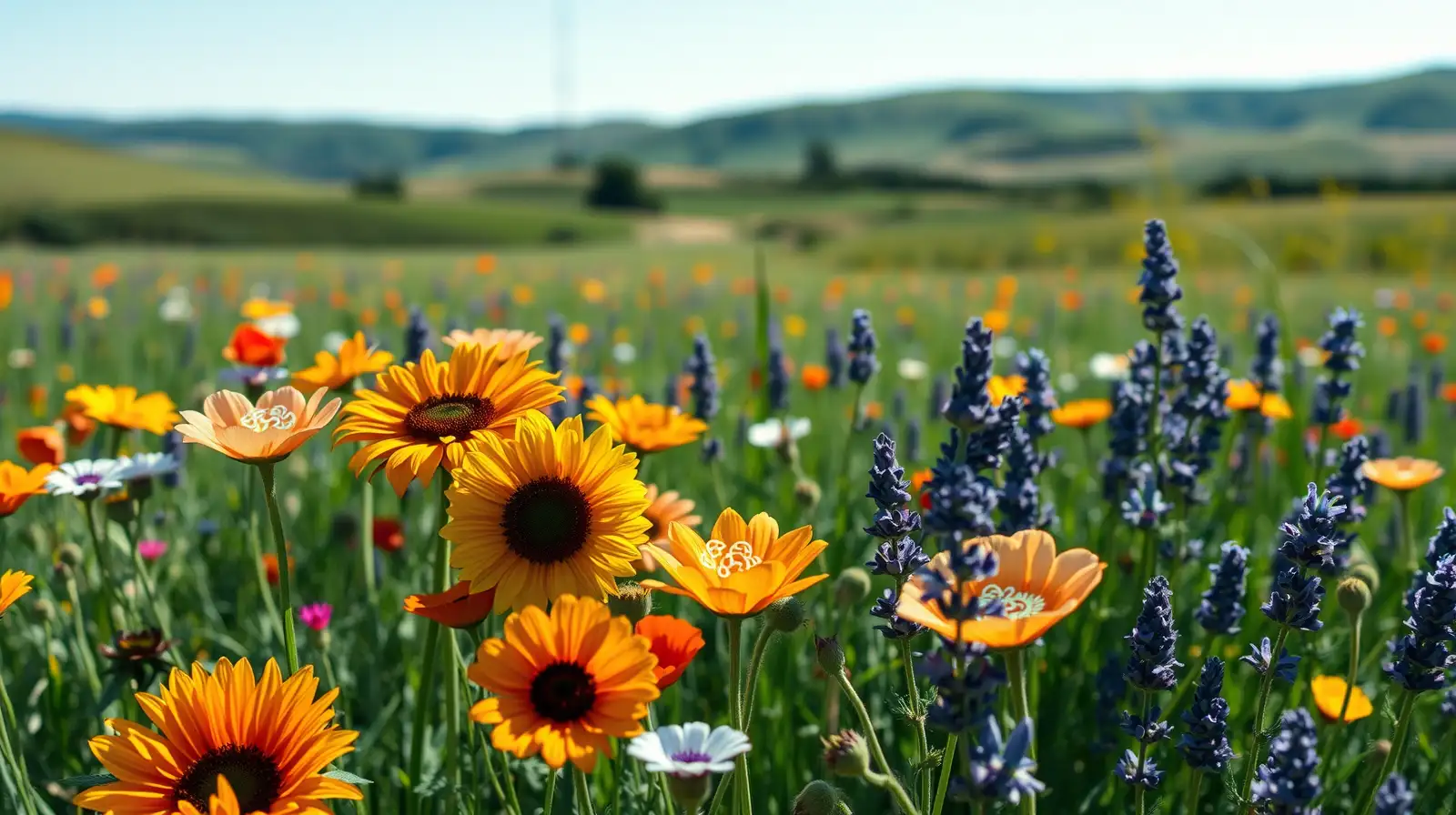
Many flowers absorb UV light in some areas while reflecting it in others, creating striking contrasts. To a bee, a flower that appears plain white to humans may display bold rings, stripes or bullseye patterns pointing directly towards its nectar.
These natural guides make foraging quicker and more efficient.
Sunflowers provide a well-known example. Although their bright yellow petals appear fairly uniform to people, ultraviolet photography reveals dark central patterns that attract pollinating insects from a distance.
Many daisies, buttercups, evening primroses and black-eyed Susans also display distinctive UV designs.
Research has shown that bees learn to associate particular UV patterns with rewarding flowers, improving their foraging efficiency over time.
This benefits both the insect and the plant. Bees collect food more effectively, while flowers receive reliable pollination that enables them to produce seeds and fruit.
It is a perfect example of evolution creating a mutually beneficial partnership.
Using specialised cameras and filters, researchers uncovered a hidden floral world filled with remarkable diversity. Some flowers display dramatic bullseyes, while others feature lines, dots or star-shaped markings visible only under UV light.
Scientists continue investigating how these patterns evolved and why different species produce such varied designs.
Studying how flowers attract pollinators helps conservationists design better habitats, improve agricultural practices and protect biodiversity.
The research also reminds us that ecosystems often rely on interactions taking place beyond the limits of human perception.
Flowers That Can Reflect UV Patterns Invisible to Humans
A World Humans Cannot See
Human eyes detect only a small portion of the light spectrum. Bees and many other pollinating insects, however, can see ultraviolet light, allowing them to perceive patterns that remain completely hidden from us.Many flowers absorb UV light in some areas while reflecting it in others, creating striking contrasts. To a bee, a flower that appears plain white to humans may display bold rings, stripes or bullseye patterns pointing directly towards its nectar.
These natural guides make foraging quicker and more efficient.
Nature's Built-In Landing Guides
Scientists often refer to these invisible markings as nectar guides. Their purpose is simple but highly effective: help pollinators find the flower's reward while ensuring pollen is transferred efficiently from one bloom to another.Sunflowers provide a well-known example. Although their bright yellow petals appear fairly uniform to people, ultraviolet photography reveals dark central patterns that attract pollinating insects from a distance.
Many daisies, buttercups, evening primroses and black-eyed Susans also display distinctive UV designs.
Why Pollinators Depend on UV Patterns
For bees, locating food quickly is essential. Rather than visiting flowers at random, they use ultraviolet markings to identify blooms that are likely to contain nectar.Research has shown that bees learn to associate particular UV patterns with rewarding flowers, improving their foraging efficiency over time.
You may also like
- Plastic Note: How will plastic notes differ from paper currency? Notes of ₹10 and ₹20 denominations will be introduced first..
- EV Subsidy: 50% subsidy on EV purchases announced by the government; bring home a bike at half the price.
- Make sure to check these 3 hidden clauses before signing a rent agreement, or else you might regret it later..
- Make rose water at home for glowing skin, the process is very easy
- Is Your Baby Tired? 15 Signs to Look Out For
This benefits both the insect and the plant. Bees collect food more effectively, while flowers receive reliable pollination that enables them to produce seeds and fruit.
It is a perfect example of evolution creating a mutually beneficial partnership.
How Scientists Revealed the Hidden Designs
For centuries, people admired flowers without realising they contained invisible patterns. The discovery became possible only after ultraviolet photography was developed during the twentieth century.Using specialised cameras and filters, researchers uncovered a hidden floral world filled with remarkable diversity. Some flowers display dramatic bullseyes, while others feature lines, dots or star-shaped markings visible only under UV light.
Scientists continue investigating how these patterns evolved and why different species produce such varied designs.
Why This Matters Today
Understanding ultraviolet flower patterns has become increasingly important as pollinator populations decline across the world. Bees and other pollinating insects are responsible for fertilising many crops that humans depend upon for food.Studying how flowers attract pollinators helps conservationists design better habitats, improve agricultural practices and protect biodiversity.
The research also reminds us that ecosystems often rely on interactions taking place beyond the limits of human perception.






Loving Newspoint? Download the app now
