
Why Bananas Have No Seeds Like Most Fruits: The Surprising Story Behind the World's Favourite Fruit

Take a close look at an apple, watermelon, orange, or mango and you will immediately notice one thing they all have in common: seeds. Bananas, however, seem to break the rule. Despite being one of the most popular fruits on Earth, the bananas found in supermarkets appear completely seedless. Many people have wondered at some point whether bananas actually have seeds or if they are somehow different from every other fruit.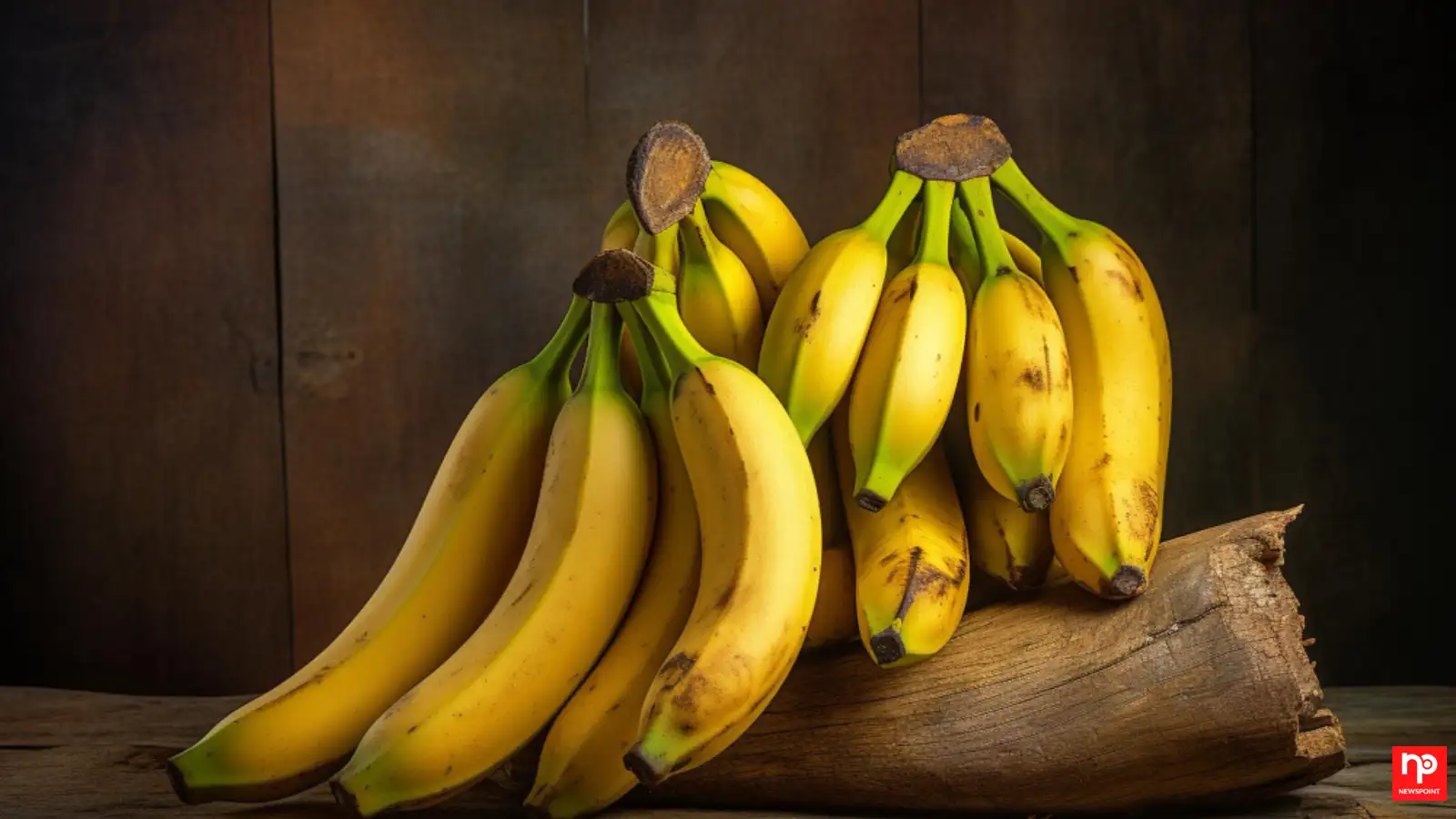
The answer reveals a fascinating story involving ancient agriculture, plant evolution, and thousands of years of human cultivation. The banana you eat today is very different from its wild ancestors. In fact, modern bananas are the result of one of the most remarkable transformations in food history. Understanding why bananas have no seeds not only explains a common mystery but also offers a glimpse into how humans have shaped the foods we eat every day.
In modern edible bananas, these seeds are so small and underdeveloped that they cannot grow into new plants. As a result, most people never notice them. This is why bananas appear seedless even though traces of seeds still exist.
The bananas sold around the world belong mainly to cultivated varieties that have been selectively bred over centuries to produce fruit without fully developed seeds.
Wild bananas, which still grow in parts of Southeast Asia, contain large, hard seeds that fill much of the fruit. These seeds can be so tough that eating the fruit is difficult and often unpleasant. Instead of the soft, creamy texture people enjoy today, wild bananas contain relatively little edible flesh.
Humans naturally preferred bananas with fewer and smaller seeds. Over many generations, farmers selected and cultivated these varieties, gradually creating the seedless bananas we know today.
This process happened long before modern genetics existed. Ancient farmers were unknowingly shaping the future of one of the world's most important crops.
Unlike many fruiting plants, banana plants are usually propagated through underground stems known as rhizomes. New shoots, often called suckers, grow from the base of the parent plant.
Farmers remove these young shoots and replant them elsewhere. Each new plant is essentially a genetic copy of the original.
This method allows banana cultivation to continue without seeds. It also ensures consistency, meaning the bananas grown in one country taste very similar to those grown elsewhere.
Certain banana plants developed fruit without producing fully formed seeds. Early farmers noticed these unusual plants and recognised their value. Because the fruit was easier and more enjoyable to eat, they began cultivating and spreading these varieties.
Over time, repeated selection reinforced the characteristics people preferred, including sweetness, softness, and the absence of large seeds.
In many ways, modern bananas represent one of humanity's earliest examples of successful crop improvement.
Because most commercial bananas are genetically very similar, they can be vulnerable to diseases. If a disease emerges that can infect one plant, it may spread rapidly through entire plantations.
History has already shown this danger. During the twentieth century, a devastating fungal disease nearly wiped out a banana variety known as the Gros Michel, which was once the dominant banana in international trade.
The Cavendish banana, now the most common variety worldwide, replaced it. However, researchers continue to study new threats that could affect modern banana production.
This lack of genetic diversity is one of the biggest concerns facing banana growers today.
Understanding why bananas have no seeds highlights the extraordinary relationship between humans and agriculture. Many of the foods we take for granted have been carefully shaped by centuries of cultivation.
The banana serves as a reminder that the fruits in our kitchens are not simply products of nature. They are also products of human choices made across generations.
Another little-known fact is that banana plants are not actually trees. They are giant herbs, making them among the largest herbaceous plants on Earth.
Researchers have also traced banana cultivation back thousands of years, making bananas one of humanity's oldest cultivated crops.
The answer reveals a fascinating story involving ancient agriculture, plant evolution, and thousands of years of human cultivation. The banana you eat today is very different from its wild ancestors. In fact, modern bananas are the result of one of the most remarkable transformations in food history. Understanding why bananas have no seeds not only explains a common mystery but also offers a glimpse into how humans have shaped the foods we eat every day.
Do Bananas Really Have No Seeds?
Technically, bananas do have seeds, but they are not the large, hard seeds found in many other fruits. If you look carefully at the centre of a banana, you may notice tiny black dots arranged in rows. These are the remains of seeds.In modern edible bananas, these seeds are so small and underdeveloped that they cannot grow into new plants. As a result, most people never notice them. This is why bananas appear seedless even though traces of seeds still exist.
The bananas sold around the world belong mainly to cultivated varieties that have been selectively bred over centuries to produce fruit without fully developed seeds.
What Wild Bananas Look Like
The story becomes even more interesting when we look at wild bananas.Wild bananas, which still grow in parts of Southeast Asia, contain large, hard seeds that fill much of the fruit. These seeds can be so tough that eating the fruit is difficult and often unpleasant. Instead of the soft, creamy texture people enjoy today, wild bananas contain relatively little edible flesh.
Humans naturally preferred bananas with fewer and smaller seeds. Over many generations, farmers selected and cultivated these varieties, gradually creating the seedless bananas we know today.
This process happened long before modern genetics existed. Ancient farmers were unknowingly shaping the future of one of the world's most important crops.
How Seedless Bananas Reproduce
A natural question follows: if bananas have no functional seeds, how do banana plants reproduce?Unlike many fruiting plants, banana plants are usually propagated through underground stems known as rhizomes. New shoots, often called suckers, grow from the base of the parent plant.
Farmers remove these young shoots and replant them elsewhere. Each new plant is essentially a genetic copy of the original.
This method allows banana cultivation to continue without seeds. It also ensures consistency, meaning the bananas grown in one country taste very similar to those grown elsewhere.
The Accidental Discovery That Changed Agriculture
Scientists believe the first seedless bananas appeared naturally through genetic mutations thousands of years ago.Certain banana plants developed fruit without producing fully formed seeds. Early farmers noticed these unusual plants and recognised their value. Because the fruit was easier and more enjoyable to eat, they began cultivating and spreading these varieties.
Over time, repeated selection reinforced the characteristics people preferred, including sweetness, softness, and the absence of large seeds.
In many ways, modern bananas represent one of humanity's earliest examples of successful crop improvement.
The Hidden Problem With Seedless Bananas
While seedless bananas are convenient, they also create a challenge.Because most commercial bananas are genetically very similar, they can be vulnerable to diseases. If a disease emerges that can infect one plant, it may spread rapidly through entire plantations.
History has already shown this danger. During the twentieth century, a devastating fungal disease nearly wiped out a banana variety known as the Gros Michel, which was once the dominant banana in international trade.
The Cavendish banana, now the most common variety worldwide, replaced it. However, researchers continue to study new threats that could affect modern banana production.
This lack of genetic diversity is one of the biggest concerns facing banana growers today.
Why This Matters in Everyday Life
Bananas are among the most widely consumed fruits in the world. Millions of people eat them daily as a convenient source of energy, fibre, vitamins, and minerals.Understanding why bananas have no seeds highlights the extraordinary relationship between humans and agriculture. Many of the foods we take for granted have been carefully shaped by centuries of cultivation.
The banana serves as a reminder that the fruits in our kitchens are not simply products of nature. They are also products of human choices made across generations.
Lesser-Known Facts About Bananas
One surprising fact is that bananas are technically classified as berries according to botanical definitions. This often surprises people because many fruits commonly called berries do not meet the scientific criteria.Another little-known fact is that banana plants are not actually trees. They are giant herbs, making them among the largest herbaceous plants on Earth.
Researchers have also traced banana cultivation back thousands of years, making bananas one of humanity's oldest cultivated crops.
Next Story