
Why Volcanoes Create New Land: The Incredible Process That Shapes Our Planet

Volcanoes are often associated with destruction. Images of molten lava, towering ash clouds and communities fleeing eruptions dominate news coverage whenever a volcano awakens. Yet volcanoes are not only forces of devastation. They are also among the greatest builders on Earth .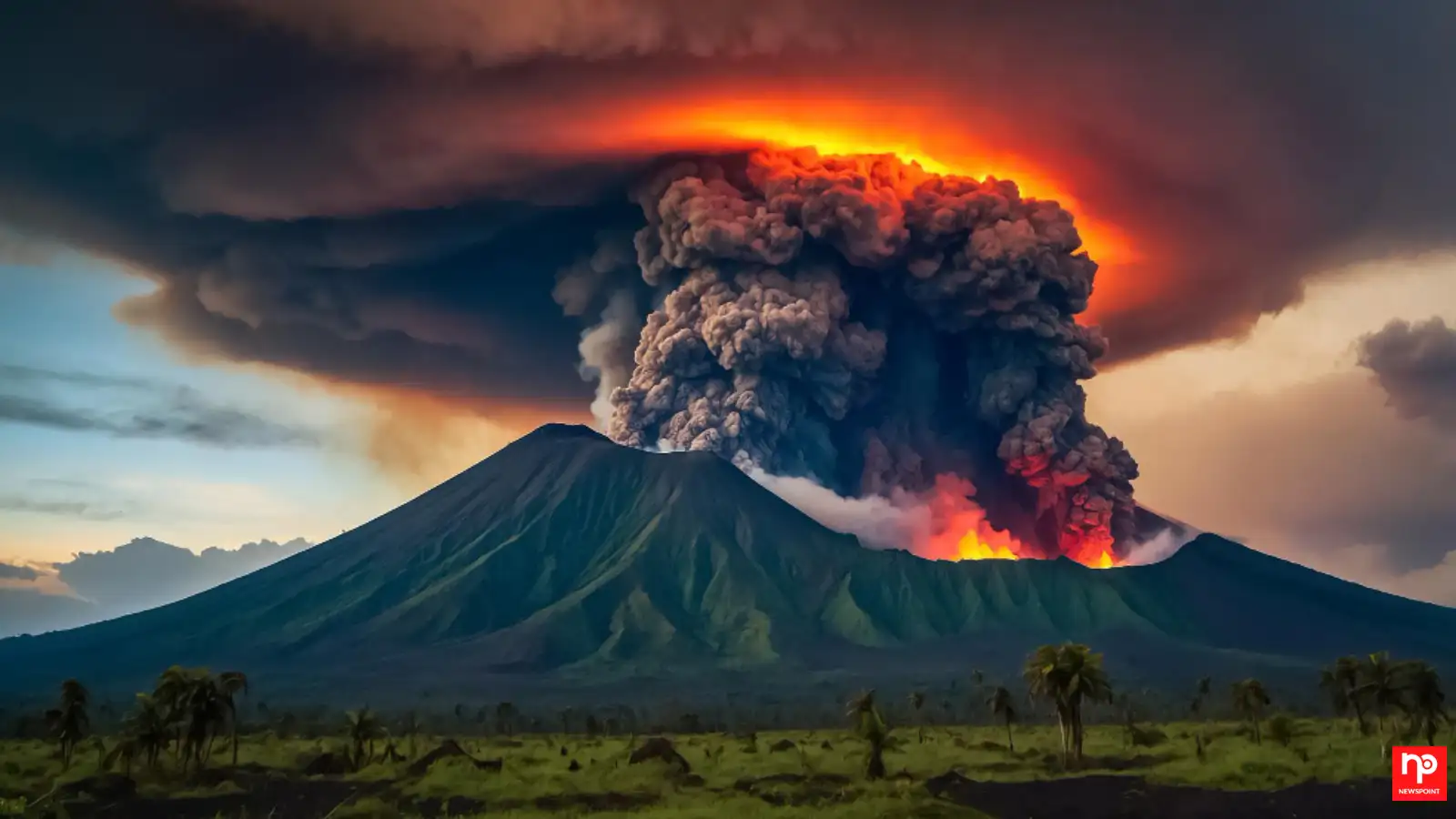
Many of the landscapes we admire today owe their existence to volcanic activity. Entire islands, mountain ranges and coastlines have been created by eruptions over millions of years. In fact, some of the world's most famous destinations began as nothing more than lava emerging from beneath the ocean. While volcanic eruptions can be dangerous and unpredictable, they also play a vital role in shaping the planet's surface. Understanding how volcanoes create new land reveals a fascinating story of destruction, renewal and geological creativity that continues to unfold even today.
Deep below the crust lies a layer of hot, semi-molten rock known as the mantle. Heat from the planet's interior drives geological activity, causing tectonic plates to move slowly over time. Where these plates interact, volcanoes often form.
When pressure builds beneath the surface, magma rises through cracks and weaknesses in the Earth's crust. Once it reaches the surface, it becomes lava. As lava cools and hardens, it turns into solid rock, adding new material to the landscape.
This simple process is the foundation of how volcanoes create new land.
When lava flows from a volcano, it spreads across existing surfaces before gradually cooling. Over time, repeated eruptions deposit layer upon layer of volcanic rock. Each new layer increases the size of the landmass.
In volcanic regions, this process can continue for thousands or even millions of years. What starts as a small eruption may eventually produce extensive plains, hills or mountains.
The speed of land formation varies dramatically. Some eruptions add only small amounts of rock, while others can transform entire landscapes within weeks or months.
Nature works on timescales that are often difficult for humans to comprehend, but volcanic activity is one of the clearest examples of Earth actively building itself.
Many volcanoes form on the seafloor. As underwater eruptions continue, layers of cooled lava gradually accumulate. Eventually, the growing volcanic structure may rise above sea level and become a new island.
The Hawaiian Islands are among the most famous examples. These islands were formed by volcanic activity over millions of years as lava repeatedly erupted from the ocean floor.
Even today, volcanic processes continue to shape the archipelago. On the island of Hawaii, fresh lava flows have periodically extended coastlines by creating entirely new sections of land.
For local communities and scientists alike, these events offer a rare opportunity to witness the birth of new terrain in real time.
When lava reaches the sea, it cools rapidly upon contact with water. The hardened rock accumulates along the shoreline, gradually extending the coastline outward.
This process has been observed in volcanic regions around the world. New beaches, cliffs and rocky platforms can emerge after major eruptions.
Although these newly formed areas may initially appear barren and lifeless, nature often colonises them surprisingly quickly. Mosses, plants, insects and birds eventually arrive, transforming bare rock into thriving ecosystems.
The process demonstrates how volcanic landscapes evolve from raw geological formations into living environments.
Scientists closely monitored the island's formation as lava and ash gradually built land above the ocean's surface. Because human access was tightly controlled, researchers were able to study how life naturally colonised a completely new piece of land.
Over the decades, birds, plants and marine organisms established themselves on the island. Today, Surtsey serves as a unique natural laboratory that helps scientists understand how ecosystems develop from scratch.
Few places on Earth provide such a clear window into the creation of both land and life.
Billions of years ago, volcanic activity played a major role in forming large portions of the continental crust. Repeated eruptions added material to Earth's surface, helping shape the continents we know today.
Some mountain ranges also owe their origins to volcanic processes. Layers of volcanic rock accumulated over immense periods, creating landscapes that now support millions of people.
Without volcanoes, Earth's geography would look dramatically different.
This is one reason why many densely populated regions exist near active or dormant volcanoes despite the risks involved.
Another fascinating detail is that most volcanic activity occurs beneath the oceans. Much of the new land created by volcanoes never reaches the surface and remains hidden underwater.
Scientists estimate that underwater volcanic systems generate vast amounts of new crust every year, continuously reshaping the seafloor.
They affect ecosystems, agriculture, tourism and even climate. Understanding how volcanoes create new land helps scientists predict landscape changes and assess risks for nearby communities.
As populations continue growing in volcanic regions, balancing the benefits and dangers of these environments becomes increasingly important.
Volcanoes remind us that Earth is not a static world. It is a dynamic planet constantly reshaping itself through powerful natural processes.
Many of the landscapes we admire today owe their existence to volcanic activity. Entire islands, mountain ranges and coastlines have been created by eruptions over millions of years. In fact, some of the world's most famous destinations began as nothing more than lava emerging from beneath the ocean. While volcanic eruptions can be dangerous and unpredictable, they also play a vital role in shaping the planet's surface. Understanding how volcanoes create new land reveals a fascinating story of destruction, renewal and geological creativity that continues to unfold even today.
The Earth Beneath Our Feet Is Constantly Changing
Although the ground beneath us feels solid and permanent, Earth's surface is constantly evolving.Deep below the crust lies a layer of hot, semi-molten rock known as the mantle. Heat from the planet's interior drives geological activity, causing tectonic plates to move slowly over time. Where these plates interact, volcanoes often form.
When pressure builds beneath the surface, magma rises through cracks and weaknesses in the Earth's crust. Once it reaches the surface, it becomes lava. As lava cools and hardens, it turns into solid rock, adding new material to the landscape.
This simple process is the foundation of how volcanoes create new land.
How Lava Becomes Land
The creation of new land begins with an eruption.When lava flows from a volcano, it spreads across existing surfaces before gradually cooling. Over time, repeated eruptions deposit layer upon layer of volcanic rock. Each new layer increases the size of the landmass.
In volcanic regions, this process can continue for thousands or even millions of years. What starts as a small eruption may eventually produce extensive plains, hills or mountains.
The speed of land formation varies dramatically. Some eruptions add only small amounts of rock, while others can transform entire landscapes within weeks or months.
Nature works on timescales that are often difficult for humans to comprehend, but volcanic activity is one of the clearest examples of Earth actively building itself.
The Birth of New Islands
One of the most dramatic examples of volcanoes creating new land occurs beneath the ocean.Many volcanoes form on the seafloor. As underwater eruptions continue, layers of cooled lava gradually accumulate. Eventually, the growing volcanic structure may rise above sea level and become a new island.
The Hawaiian Islands are among the most famous examples. These islands were formed by volcanic activity over millions of years as lava repeatedly erupted from the ocean floor.
Even today, volcanic processes continue to shape the archipelago. On the island of Hawaii, fresh lava flows have periodically extended coastlines by creating entirely new sections of land.
For local communities and scientists alike, these events offer a rare opportunity to witness the birth of new terrain in real time.
When Volcanoes Expand Existing Coastlines
Volcanoes do not always create entirely new islands. Sometimes they simply enlarge existing land.When lava reaches the sea, it cools rapidly upon contact with water. The hardened rock accumulates along the shoreline, gradually extending the coastline outward.
This process has been observed in volcanic regions around the world. New beaches, cliffs and rocky platforms can emerge after major eruptions.
Although these newly formed areas may initially appear barren and lifeless, nature often colonises them surprisingly quickly. Mosses, plants, insects and birds eventually arrive, transforming bare rock into thriving ecosystems.
The process demonstrates how volcanic landscapes evolve from raw geological formations into living environments.
A Historic Example of Land Creation
One of the most remarkable modern examples occurred in 1963 when an underwater volcanic eruption near Iceland produced a new island called Surtsey.Scientists closely monitored the island's formation as lava and ash gradually built land above the ocean's surface. Because human access was tightly controlled, researchers were able to study how life naturally colonised a completely new piece of land.
Over the decades, birds, plants and marine organisms established themselves on the island. Today, Surtsey serves as a unique natural laboratory that helps scientists understand how ecosystems develop from scratch.
Few places on Earth provide such a clear window into the creation of both land and life.
The Hidden Role of Volcanoes in Building Continents
Volcanoes have contributed to the growth of continents throughout Earth's history.Billions of years ago, volcanic activity played a major role in forming large portions of the continental crust. Repeated eruptions added material to Earth's surface, helping shape the continents we know today.
Some mountain ranges also owe their origins to volcanic processes. Layers of volcanic rock accumulated over immense periods, creating landscapes that now support millions of people.
Without volcanoes, Earth's geography would look dramatically different.
Lesser-Known Facts About Volcanic Land Creation
One surprising fact is that volcanic soils are often among the most fertile in the world. As volcanic rock breaks down, it releases minerals that support plant growth.This is one reason why many densely populated regions exist near active or dormant volcanoes despite the risks involved.
Another fascinating detail is that most volcanic activity occurs beneath the oceans. Much of the new land created by volcanoes never reaches the surface and remains hidden underwater.
Scientists estimate that underwater volcanic systems generate vast amounts of new crust every year, continuously reshaping the seafloor.
Why This Matters Today
Volcanoes influence far more than geology.They affect ecosystems, agriculture, tourism and even climate. Understanding how volcanoes create new land helps scientists predict landscape changes and assess risks for nearby communities.
As populations continue growing in volcanic regions, balancing the benefits and dangers of these environments becomes increasingly important.
Volcanoes remind us that Earth is not a static world. It is a dynamic planet constantly reshaping itself through powerful natural processes.
Next Story