
Why the Sky Changes Colour Throughout the Day

The sky is one of the most familiar sights in our daily lives, yet it constantly changes colour in ways that often go unnoticed. On a clear afternoon, it appears bright blue. During sunrise and sunset, it transforms into breathtaking shades of orange, pink, red and purple. After dark, it becomes a deep black canvas filled with stars. These changes are not random or simply beautiful natural displays. They are the result of sunlight interacting with Earth's atmosphere in remarkable ways. Understanding why the sky changes colour reveals fascinating insights into light, weather and our planet's unique environment, showing that even ordinary moments above us are shaped by extraordinary science.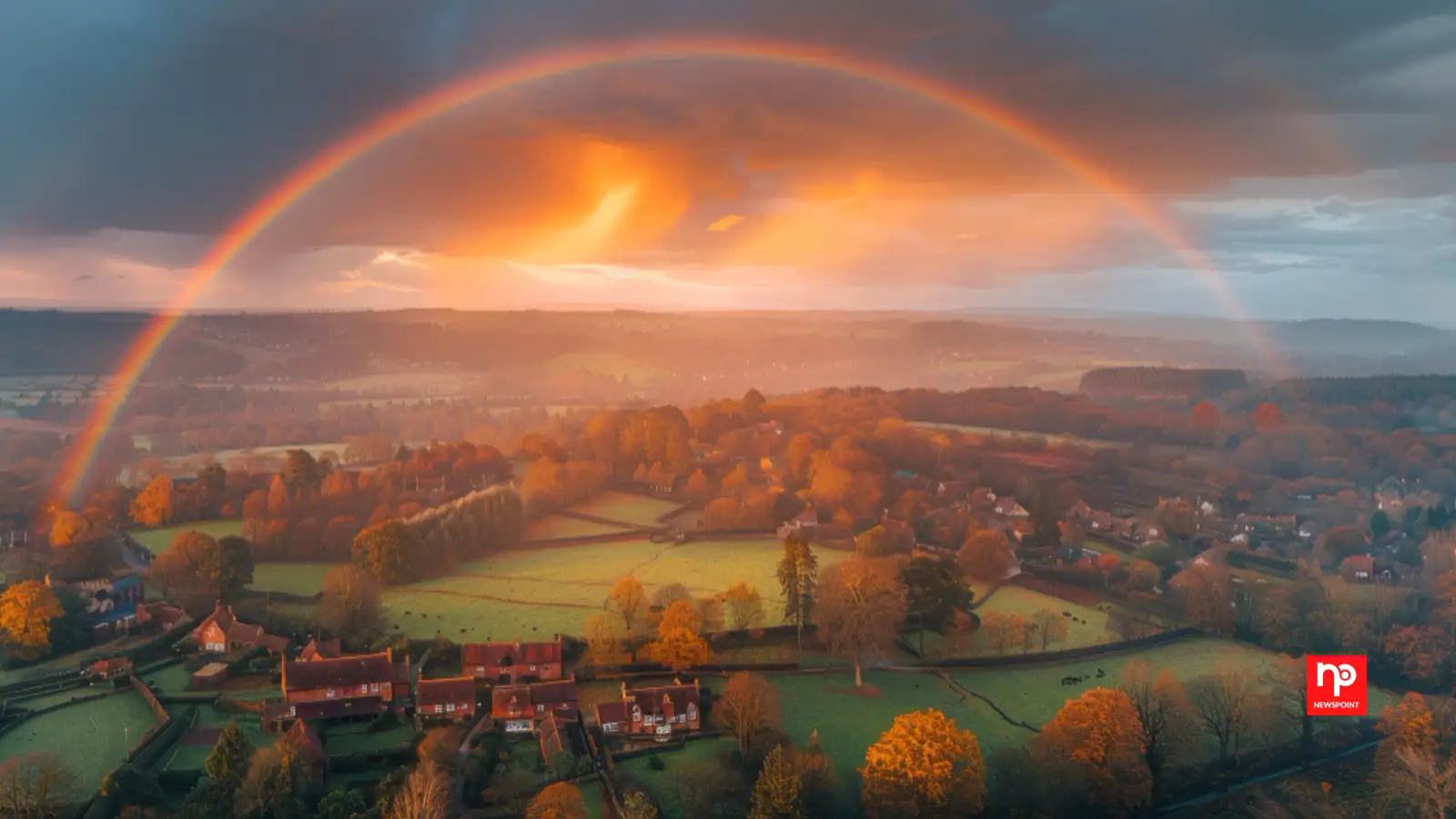
Shorter wavelengths of light, particularly blue, are scattered in every direction much more effectively than longer wavelengths such as red. This process, known as Rayleigh scattering , is why the sky appears blue when we look up during the day.
Interestingly, violet light has an even shorter wavelength than blue, but our eyes are less sensitive to it. In addition, some violet light is absorbed by the upper atmosphere. As a result, the sky appears predominantly blue rather than violet.
Most of the blue and violet light is scattered away before the remaining sunlight reaches the ground. This allows longer wavelengths, such as red, orange and yellow, to dominate the sky.
Dust, pollution, humidity and tiny water droplets can make these colours even more vivid. This is why no two sunsets are exactly alike, and weather conditions often influence how colourful the evening sky becomes.
After heavy rain, the air is often cleaner because rainfall removes dust and pollutants. This can produce brighter blue skies during the day.
On hazy or polluted days, the sky may appear pale or grey because suspended particles scatter light differently. During volcanic eruptions or major wildfires, smoke and ash can create unusually intense red or orange sunsets that may be visible hundreds of kilometres away.
Another interesting phenomenon is the "golden hour", the period shortly after sunrise and before sunset. Photographers value this time because the softer, warmer light creates flattering natural colours and long shadows.
The Moon can also appear orange or red when it is close to the horizon. This happens for the same reason as colourful sunsets, with the Moon's light passing through a thicker layer of the atmosphere.
For travellers, photographers and nature enthusiasts, understanding how light behaves can help predict the best times to capture spectacular landscapes. Even pilots and astronomers rely on atmospheric knowledge when planning flights and observations.
As concerns about pollution and climate change grow, changes in atmospheric conditions may continue to influence how our skies appear around the world.
Why the Sky Appears Blue During the Day
Sunlight may look white, but it is actually made up of all the colours of the visible spectrum. As sunlight enters Earth's atmosphere, it collides with tiny molecules of nitrogen and oxygen.Shorter wavelengths of light, particularly blue, are scattered in every direction much more effectively than longer wavelengths such as red. This process, known as Rayleigh scattering , is why the sky appears blue when we look up during the day.
Interestingly, violet light has an even shorter wavelength than blue, but our eyes are less sensitive to it. In addition, some violet light is absorbed by the upper atmosphere. As a result, the sky appears predominantly blue rather than violet.
Why Sunrises and Sunsets Look So Colourful
The dramatic colours seen during sunrise and sunset occur because the Sun sits low on the horizon. At these times, sunlight has to travel through a much thicker layer of Earth's atmosphere before reaching our eyes.Most of the blue and violet light is scattered away before the remaining sunlight reaches the ground. This allows longer wavelengths, such as red, orange and yellow, to dominate the sky.
Dust, pollution, humidity and tiny water droplets can make these colours even more vivid. This is why no two sunsets are exactly alike, and weather conditions often influence how colourful the evening sky becomes.
Weather Plays a Bigger Role Than You Might Think
The atmosphere is constantly changing, and so is the appearance of the sky. Clouds, moisture, airborne particles and seasonal conditions all affect how sunlight is scattered.After heavy rain, the air is often cleaner because rainfall removes dust and pollutants. This can produce brighter blue skies during the day.
You may also like
- How to Stop Feeling Inferior?
- AMFI: AMFI has simplified the mutual fund transfer process; find out how you will benefit..
- 7 surprisingly 'big' plants you can grow on your balcony with the right care
- Meet the strange Amazon fish that 'climb' trees during flood season in search of fruit, seeds and survival and why seeing it is one of the world's greatest wildlife experiences
- For modern parents, trust begins with the ingredient list on foods
On hazy or polluted days, the sky may appear pale or grey because suspended particles scatter light differently. During volcanic eruptions or major wildfires, smoke and ash can create unusually intense red or orange sunsets that may be visible hundreds of kilometres away.
Lesser-Known Facts About Sky Colours
One surprising fact is that astronauts do not see a blue sky while in space. Without Earth's atmosphere to scatter sunlight, space appears black even when the Sun is shining brightly.Another interesting phenomenon is the "golden hour", the period shortly after sunrise and before sunset. Photographers value this time because the softer, warmer light creates flattering natural colours and long shadows.
The Moon can also appear orange or red when it is close to the horizon. This happens for the same reason as colourful sunsets, with the Moon's light passing through a thicker layer of the atmosphere.
Why Understanding the Sky Matters Today
Studying the colour of the sky has practical importance beyond satisfying curiosity. Meteorologists use atmospheric observations to understand weather patterns and air quality. Scientists also study how particles in the atmosphere affect climate and visibility.For travellers, photographers and nature enthusiasts, understanding how light behaves can help predict the best times to capture spectacular landscapes. Even pilots and astronomers rely on atmospheric knowledge when planning flights and observations.
As concerns about pollution and climate change grow, changes in atmospheric conditions may continue to influence how our skies appear around the world.






Loving Newspoint? Download the app now
