
Why Every Flower Does Not Have the Same Number of Petals

Walk through a garden and you'll quickly notice that not all flowers look alike. Some have three petals, others have five, while a few seem to have countless layers packed tightly together. These differences are far more than decorative. The number of petals on a flower has evolved over millions of years and plays an important role in reproduction, survival and adaptation. Scientists have discovered that petal numbers often follow predictable patterns linked to a plant's ancestry, genetics and preferred pollinators. Understanding why flowers have different petal numbers offers a fascinating glimpse into the hidden rules that shape the natural world around us.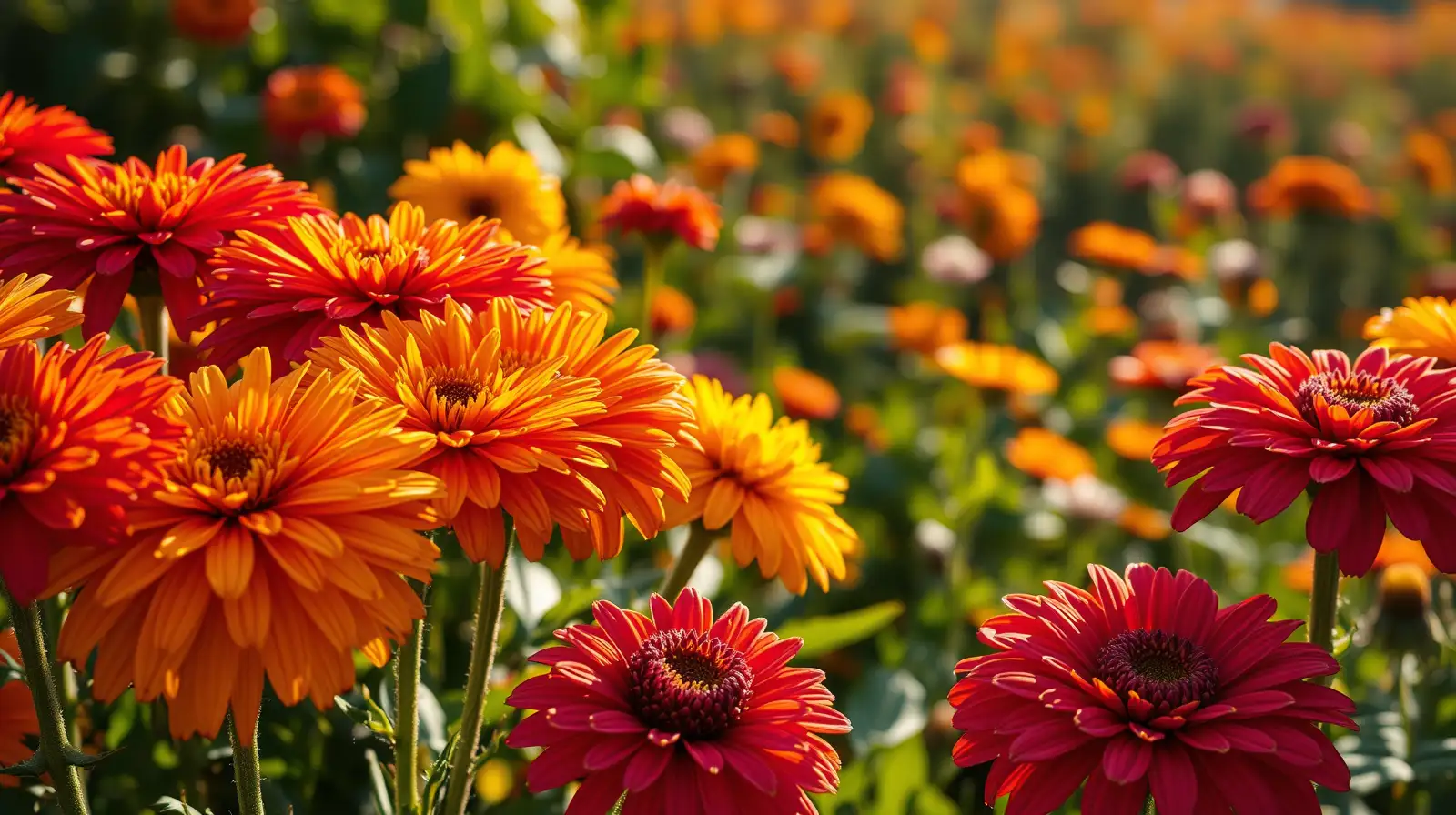
These patterns are not accidental. They are controlled by the plant's genetic blueprint, which directs how each flower develops long before it blooms. Specific groups of genes determine where petals form and how many appear, creating the familiar shapes we recognise in gardens and wild landscapes.
For example, many five-petalled flowers provide symmetrical landing platforms for bees. Other species evolved numerous petals to create larger, more eye-catching displays that stand out among surrounding vegetation. Over generations, these successful designs became common within each species.
This process explains why closely related plants often share similar petal numbers while unrelated species can look completely different.
Bees, for instance, are naturally attracted to symmetrical flowers that are easy to land on. Some flowers even display ultraviolet patterns invisible to humans but clearly visible to insects. The arrangement and number of petals help create these visual guides.
Bird-pollinated flowers may develop longer, tube-shaped blossoms where petal numbers become less obvious, while wind-pollinated plants often have tiny, reduced petals because they do not rely on animals to carry pollen.
Garden favourites such as double roses, peonies and carnations often have far more petals than their wild ancestors. In many cases, stamens that normally produce pollen have been transformed into extra petals through genetic changes. These fuller blooms are visually striking but may actually provide less food for pollinating insects.
Occasionally, wild flowers also develop unusual petal counts due to natural genetic variations, although these are usually less common.
While not every flower follows this pattern, it appears frequently across the plant kingdom. Researchers believe these arrangements help plants pack petals efficiently while exposing each one to maximum sunlight and making flowers easier for pollinators to locate.
This same mathematical principle also appears in pinecones, sunflower seed heads and pineapples, showing how similar growth patterns occur throughout nature.
As habitats continue to change because of climate shifts and human activity, researchers are closely watching how flowering plants adapt. Even small changes in flower structure may reveal how species respond to changing environments over time.
For anyone who enjoys gardening or simply appreciates nature, paying attention to petal numbers can transform an ordinary walk into an opportunity for discovery.
Why Petal Numbers Follow Natural Patterns
One of the first things botanists notice about a flower is its petal count. This is because many plant families follow remarkably consistent patterns. Monocots, such as lilies, tulips and orchids, typically produce flowers in multiples of three. Dicots, which include roses, buttercups and apple blossoms, often have petals in multiples of four or five.These patterns are not accidental. They are controlled by the plant's genetic blueprint, which directs how each flower develops long before it blooms. Specific groups of genes determine where petals form and how many appear, creating the familiar shapes we recognise in gardens and wild landscapes.
Evolution Has Shaped Every Flower
Flowers have spent millions of years adapting to their surroundings. Those that attracted pollinators more effectively were more likely to produce seeds and pass on their characteristics.For example, many five-petalled flowers provide symmetrical landing platforms for bees. Other species evolved numerous petals to create larger, more eye-catching displays that stand out among surrounding vegetation. Over generations, these successful designs became common within each species.
This process explains why closely related plants often share similar petal numbers while unrelated species can look completely different.
Pollinators Influence Flower Design
Petals do much more than add colour to gardens. They help guide insects, birds and even bats towards nectar and pollen.Bees, for instance, are naturally attracted to symmetrical flowers that are easy to land on. Some flowers even display ultraviolet patterns invisible to humans but clearly visible to insects. The arrangement and number of petals help create these visual guides.
Bird-pollinated flowers may develop longer, tube-shaped blossoms where petal numbers become less obvious, while wind-pollinated plants often have tiny, reduced petals because they do not rely on animals to carry pollen.
You may also like
- 7 Mistakes to Avoid Before Laser Hair Removal
- Kate Middleton brings back the timeless gingham dress and it's the easiest summer trend to copy
- 20 Amazing Benefits of Steam for Skin and Hair
- 10 Home Remedies to Treat Pimples on the Nose
- Rare monsoon twist: Goa and parts of the Western Ghats see lighter rain as East India gets drenched, what travellers need to know
When Flowers Break the Rules
Nature is wonderfully flexible, and not every flower follows textbook patterns. Mutations, environmental conditions and selective breeding can all alter petal numbers.Garden favourites such as double roses, peonies and carnations often have far more petals than their wild ancestors. In many cases, stamens that normally produce pollen have been transformed into extra petals through genetic changes. These fuller blooms are visually striking but may actually provide less food for pollinating insects.
Occasionally, wild flowers also develop unusual petal counts due to natural genetic variations, although these are usually less common.
A Mathematical Connection in Nature
Flower petals often reveal surprising links to mathematics. Many species display petal counts that match numbers found in the Fibonacci sequence, including 3, 5, 8, 13, 21 and 34.While not every flower follows this pattern, it appears frequently across the plant kingdom. Researchers believe these arrangements help plants pack petals efficiently while exposing each one to maximum sunlight and making flowers easier for pollinators to locate.
This same mathematical principle also appears in pinecones, sunflower seed heads and pineapples, showing how similar growth patterns occur throughout nature.
Why Petal Numbers Matter Today
Studying flower petal numbers helps scientists identify plant species, understand evolutionary relationships and monitor biodiversity. Gardeners also benefit from recognising these patterns when selecting plants that support local pollinators.As habitats continue to change because of climate shifts and human activity, researchers are closely watching how flowering plants adapt. Even small changes in flower structure may reveal how species respond to changing environments over time.
For anyone who enjoys gardening or simply appreciates nature, paying attention to petal numbers can transform an ordinary walk into an opportunity for discovery.






Loving Newspoint? Download the app now
