
Sea Creatures That Never Sleep: The Ocean's Most Tireless Survivors

Sleep is one of the great mysteries of life. Almost every animal studied by scientists shows some form of rest, yet not all creatures sleep in the way humans do. In the oceans, where predators, tides and changing currents create constant challenges, some marine animals appear to remain active around the clock. Certain species never enter a deep, prolonged sleep, while others rest in ways that are so brief or subtle that they are difficult to detect. These extraordinary adaptations have puzzled researchers for decades and continue to reshape our understanding of what sleep actually is. The deeper scientists explore the oceans, the more surprising the answers become.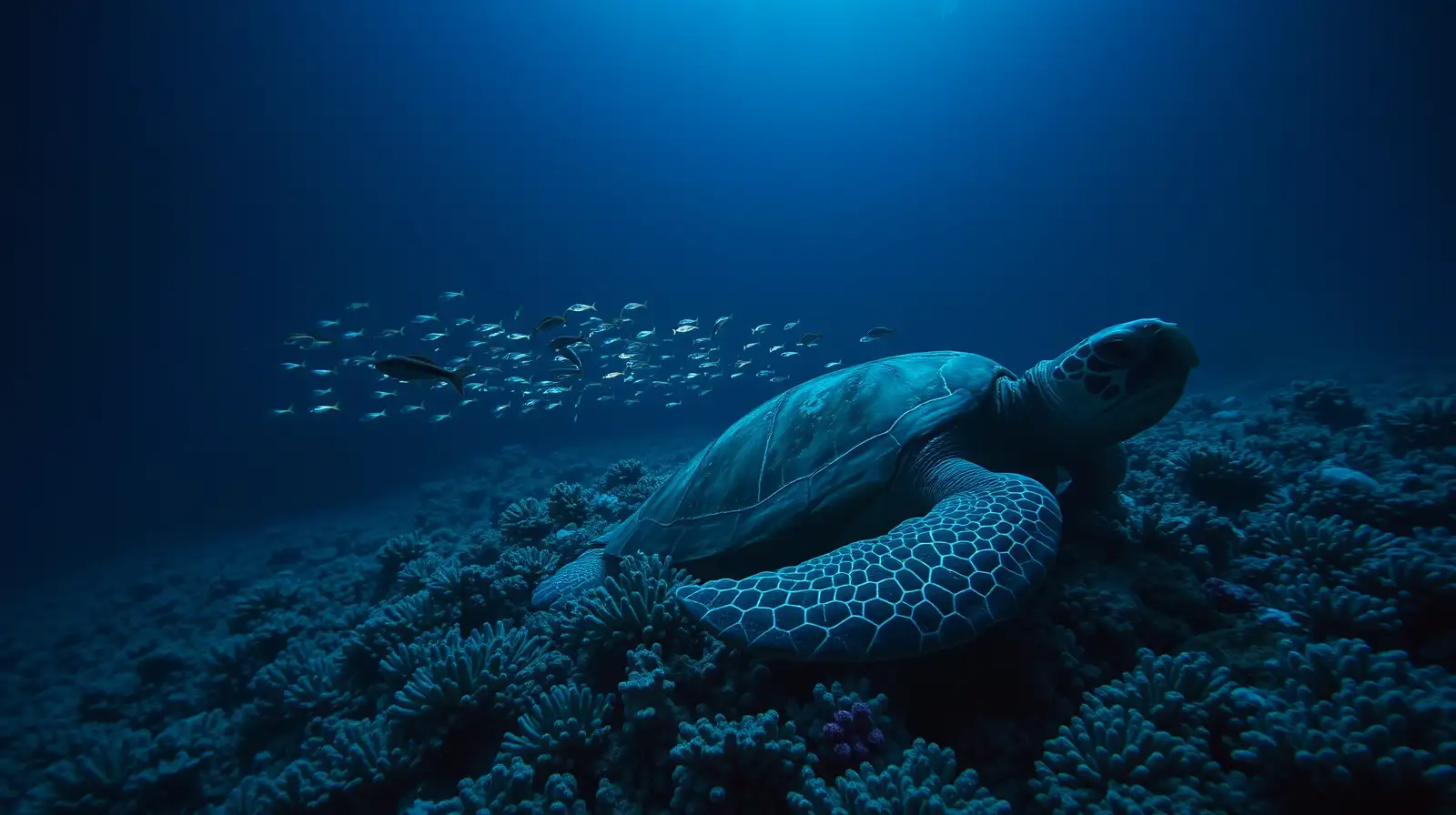
Rather than experiencing long, uninterrupted periods of rest like humans, some marine animals rely on short episodes of reduced activity or simple resting states that allow them to remain responsive to their surroundings.
For several ocean species, the traditional definition of sleep simply does not apply.
Studies have found that species such as the upside-down jellyfish become less active after dark and respond more slowly to external stimuli. Although this resembles sleep, it is very different from the brain-based sleep seen in mammals and birds.
Because jellyfish lack a central brain, researchers continue debating whether these resting periods should truly be called sleep or represent a more primitive biological state.
These tiny marine animals constantly extend and retract their tentacles, capture plankton, exchange nutrients with microscopic algae and respond to changing water conditions. They do not appear to enter long periods of complete inactivity.
Instead, their activity follows daily rhythms influenced by sunlight, tides and food availability.
This continuous pattern allows coral colonies to maximise feeding opportunities in dynamic marine environments.
Modern research suggests the reality is more complex. While these sharks continue swimming, parts of their brain may enter low-activity states, or they may rest while maintaining enough movement to breathe efficiently.
Other sharks, such as nurse sharks, can remain motionless on the seabed because they are able to pump water over their gills without swimming.
These discoveries highlight the remarkable diversity of sleep strategies in marine life.
The findings are also valuable for neuroscience, helping researchers investigate how brains recover, process memories and maintain health. Marine biology continues to reveal that sleep is not a single behaviour but a broad range of adaptations shaped by millions of years of evolution.
As ocean environments change due to climate change and pollution, understanding these behaviours may also help protect vulnerable marine ecosystems.
Sea Creatures That Never Sleep
Is It Really Possible to Never Sleep?
The idea of an animal never sleeping sounds impossible, and for many years scientists believed every creature must sleep in some form. However, research has shown that sleep is far more diverse than once thought.Rather than experiencing long, uninterrupted periods of rest like humans, some marine animals rely on short episodes of reduced activity or simple resting states that allow them to remain responsive to their surroundings.
For several ocean species, the traditional definition of sleep simply does not apply.
Jellyfish Challenge Our Understanding of Sleep
Jellyfish are among the simplest animals on Earth. They have no brain, no heart and no lungs, yet they display periods of reduced movement, especially at night.Studies have found that species such as the upside-down jellyfish become less active after dark and respond more slowly to external stimuli. Although this resembles sleep, it is very different from the brain-based sleep seen in mammals and birds.
Because jellyfish lack a central brain, researchers continue debating whether these resting periods should truly be called sleep or represent a more primitive biological state.
Coral Polyps Stay Busy Day and Night
Coral reefs may appear motionless, but individual coral polyps remain surprisingly active throughout the day and night.These tiny marine animals constantly extend and retract their tentacles, capture plankton, exchange nutrients with microscopic algae and respond to changing water conditions. They do not appear to enter long periods of complete inactivity.
You may also like
- EPFO News: From gig workers to the self-employed, everyone will now get PF benefits; a game-changer for their future
- UP Solar Panel News: Big news for solar panel users in UP; where does the state stand in electricity generation?
- Australia's Victoria University to Open Campus in India; Classes to Begin in Gurugram from August
- COVID-19: The coronavirus pandemic is striking again. Know how many patients were found in July, have the days of wearing masks arrived?
- Zendaya Sparks Debate with Ancient Gold Earrings at The Odyssey Photocall
Instead, their activity follows daily rhythms influenced by sunlight, tides and food availability.
This continuous pattern allows coral colonies to maximise feeding opportunities in dynamic marine environments.
Sharks and Other Constant Swimmers
Some shark species, including great white sharks and whale sharks, are believed to spend much of their lives swimming almost continuously. For years, scientists assumed they never slept.Modern research suggests the reality is more complex. While these sharks continue swimming, parts of their brain may enter low-activity states, or they may rest while maintaining enough movement to breathe efficiently.
Other sharks, such as nurse sharks, can remain motionless on the seabed because they are able to pump water over their gills without swimming.
These discoveries highlight the remarkable diversity of sleep strategies in marine life.
Why This Matters Today
Studying unusual sleep patterns helps scientists understand how sleep evolved and why different species require different forms of rest.The findings are also valuable for neuroscience, helping researchers investigate how brains recover, process memories and maintain health. Marine biology continues to reveal that sleep is not a single behaviour but a broad range of adaptations shaped by millions of years of evolution.
As ocean environments change due to climate change and pollution, understanding these behaviours may also help protect vulnerable marine ecosystems.






Loving Newspoint? Download the app now
