
How Urban Parks Became Environmental Shields for Cities

Few signs are more familiar than “Keep Off the Grass.” For decades, parks around the world displayed these warnings everywhere. Children ignored them, adults joked about them, and eventually many disappeared altogether.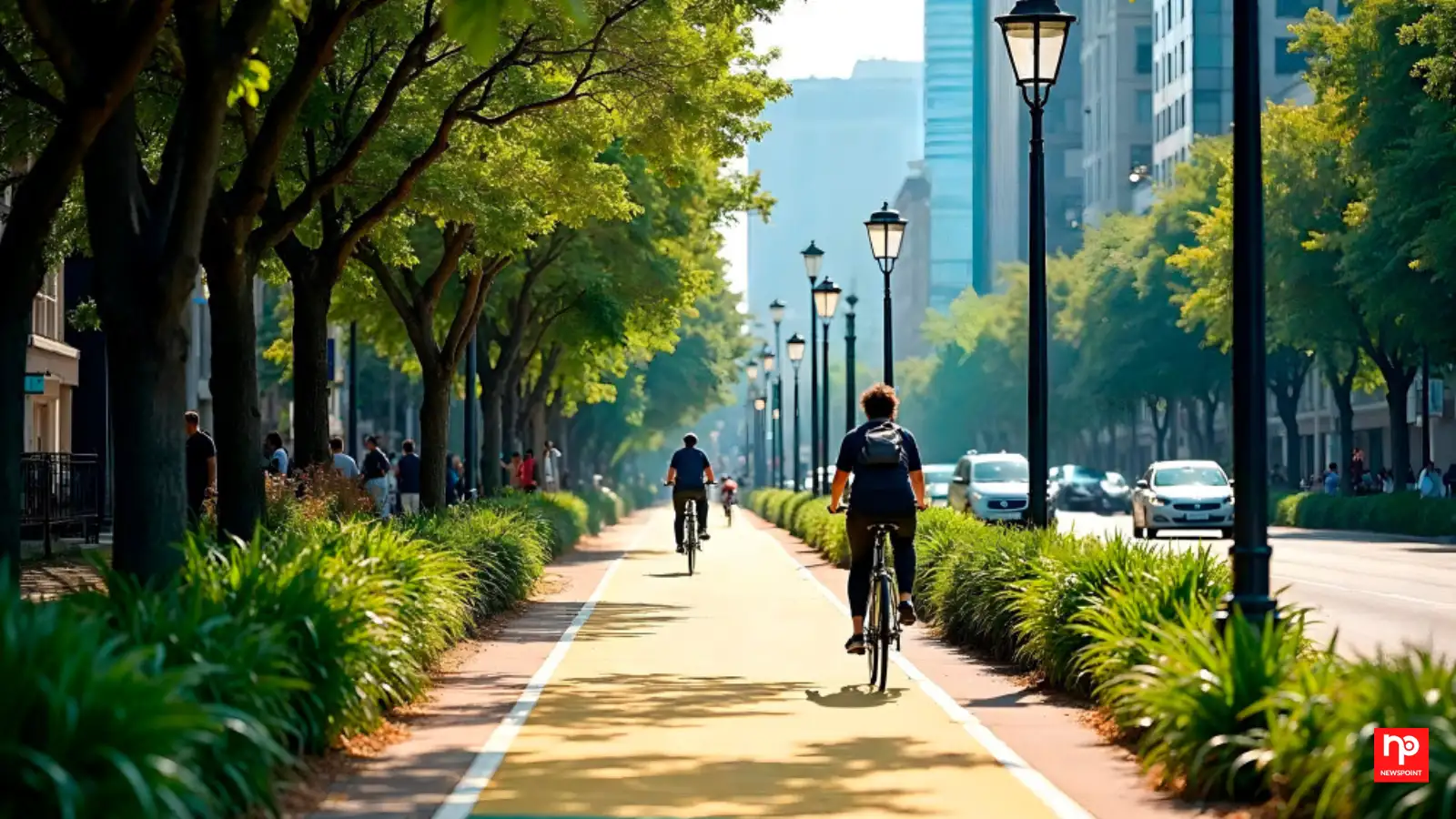
But these signs were not simply about appearance or strict rules. They were connected to a deeper environmental concern that most people never realised.
Urban planners started creating public parks not just for beauty, but to improve air quality and reduce heat. Grass areas helped cool cities naturally and absorbed rainwater that would otherwise flood roads.
Protecting these green spaces became a serious priority.
Too many people walking across fragile areas destroyed root systems, compacted soil, and increased dust during dry weather. This reduced the park’s environmental benefits.
As a result, strict rules were introduced to preserve greenery.
In modern cities filled with concrete and asphalt, even small green areas can reduce local heat significantly during summer months.
Researchers now study urban parks as important tools for fighting rising temperatures linked to climate change .
Modern parks now balance environmental protection with public use through walking paths, designated picnic zones, and durable landscaping.
Still, some older signs remain in historic parks as reminders of another era.
As cities continue expanding, protecting public green spaces becomes increasingly important. Parks absorb heat, improve mental wellbeing, reduce pollution, and support biodiversity in places where nature is rapidly disappearing.
Sometimes even a simple patch of grass carries more environmental value than people imagine.
But these signs were not simply about appearance or strict rules. They were connected to a deeper environmental concern that most people never realised.
Parks Were Originally Built to Protect Cities
During the Industrial Revolution, rapidly growing cities became overcrowded, polluted, and unhealthy. Factories filled the air with smoke while streets lacked trees and open spaces.Urban planners started creating public parks not just for beauty, but to improve air quality and reduce heat. Grass areas helped cool cities naturally and absorbed rainwater that would otherwise flood roads.
Protecting these green spaces became a serious priority.
Why Authorities Restricted Foot Traffic
In earlier decades, maintaining healthy grass in crowded cities was difficult. Public parks often lacked advanced irrigation systems, and damaged lawns could take months to recover.Too many people walking across fragile areas destroyed root systems, compacted soil, and increased dust during dry weather. This reduced the park’s environmental benefits.
As a result, strict rules were introduced to preserve greenery.
The Environmental Role of Grass Is Bigger Than It Looks
Grass does far more than improve appearance. Healthy lawns reduce surface temperatures, trap airborne dust particles, and help rainwater enter the soil naturally.In modern cities filled with concrete and asphalt, even small green areas can reduce local heat significantly during summer months.
Researchers now study urban parks as important tools for fighting rising temperatures linked to climate change .
Why Attitudes Towards Parks Changed
Over time, city planners realised that public parks also needed to encourage human interaction with nature. Completely restricting access often made green spaces feel unwelcoming.Modern parks now balance environmental protection with public use through walking paths, designated picnic zones, and durable landscaping.
Still, some older signs remain in historic parks as reminders of another era.
What Environment Day Can Learn From Old Park Rules
The “Keep Off the Grass” message may sound outdated today, but its original purpose reflects an important truth. Urban greenery is not just decoration. It performs essential environmental work every day.As cities continue expanding, protecting public green spaces becomes increasingly important. Parks absorb heat, improve mental wellbeing, reduce pollution, and support biodiversity in places where nature is rapidly disappearing.
Sometimes even a simple patch of grass carries more environmental value than people imagine.
Next Story