How To Bake The Perfect Vegan Bread: Expert Tips & Tricks

Baking vegan bread may seem challenging at first, especially without eggs, butter, or dairy to create the ideal texture. However, with the right techniques and substitutes, you can achieve soft, fluffy, and delicious homemade vegan bread . Whether you're new to vegan baking or looking to improve your results, these expert tips will help you master the art of making perfect vegan loaves.
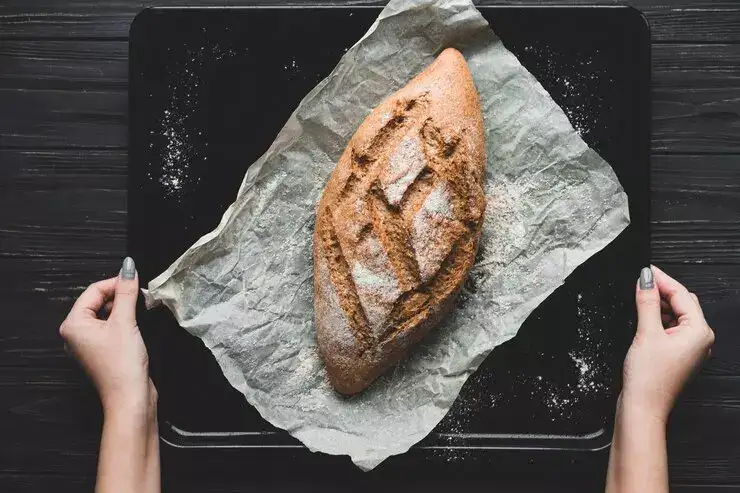
Hero Image


1. Choose the Right Flour

The choice of flour greatly impacts the texture of your bread. Whole wheat flour is nutritious but can make the bread dense, while all-purpose flour gives a lighter texture. A mix of both is ideal for a balance between softness and nutrition. For a gluten-free option, use oat flour, almond flour, or a pre-mixed gluten-free blend with a binding agent like xanthan gum.


2. Use the Right Egg Substitutes

Eggs provide structure and moisture in traditional bread, but in vegan baking, there are great alternatives:


  • Flax or Chia Egg: Mix 1 tablespoon of flax or chia seeds with 3 tablespoons of water and let it sit for 10 minutes to form a gel.
  • Applesauce: Adds moisture and a slight sweetness, perfect for soft loaves.
  • Aquafaba (Chickpea Brine): Works well for a fluffy texture, similar to egg whites.

3. Opt for Plant-Based Milk & Fats


Instead of dairy milk, choose almond, soy, oat, or coconut milk. These alternatives add richness and moisture to the dough. Replace butter with olive oil, coconut oil, or vegan margarine for the best texture.

4. Get the Yeast Activation Right

Proper yeast activation is crucial for fluffy bread. Use warm water (not hot!) between 38-43°C to activate the yeast. Add a teaspoon of sugar to help yeast grow faster. If the yeast doesn’t foam after 5-10 minutes, it may be inactive, and you should start again.

5. Knead the Dough Well