
Vegetables That Are Rich in Fibre for Better Digestion and Health

Most people know that vegetables are healthy, but few realise just how important fibre is for overall wellbeing. Despite growing awareness about healthy eating, studies continue to show that many adults consume far less fibre than recommended. Fibre is not only essential for keeping digestion regular but also plays a key role in supporting heart health, controlling blood sugar and maintaining a healthy weight. Fortunately, some of the most common vegetables found in kitchens around the world are naturally rich in fibre. By adding a greater variety of these vegetables to everyday meals, it is possible to improve health without making dramatic changes to your diet.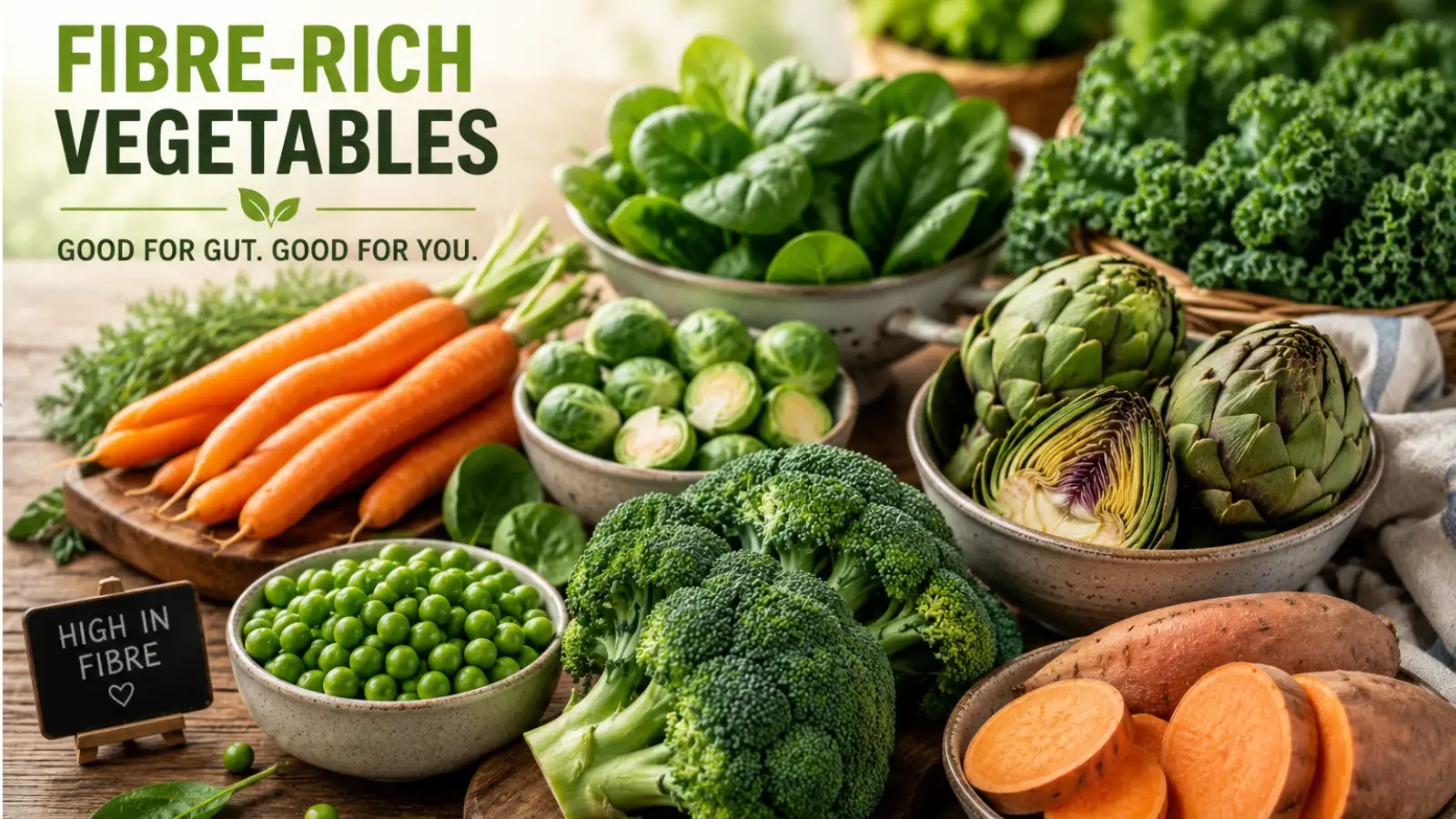
Health experts recommend that adults consume around 25 to 30 grams of fibre each day, yet many people fall short of this target. A fibre-rich diet has been linked with a lower risk of heart disease, type 2 diabetes, obesity and certain digestive disorders.
Brussels sprouts are another nutritional powerhouse. Their high fibre content supports healthy digestion, while antioxidants and vitamin C contribute to immune function. Roasting them with olive oil has helped change the minds of many people who once disliked them.
Sweet potatoes combine fibre with complex carbohydrates, making them filling and nutritious. Keeping the skin on adds even more fibre and nutrients.
Green peas are often overlooked, yet they are among the richest vegetables in fibre. They also provide plant protein, making them particularly valuable in vegetarian diets.
Artichokes deserve special attention. They rank among the highest-fibre vegetables and contain inulin, a natural prebiotic fibre that nourishes beneficial gut bacteria. Although they are less common in everyday meals, they offer impressive digestive benefits.
It is equally important to drink enough water, as fibre works best when combined with adequate hydration.
Vegetables that are rich in fibre do much more than support digestion. They help protect the heart, nourish the gut, regulate blood sugar and contribute to long-term health. From broccoli and carrots to peas and artichokes, these everyday foods offer remarkable nutritional value. Making them a regular part of your meals is one of the easiest investments you can make in your future health.
Why Fibre Is One of the Most Important Nutrients
Unlike proteins, fats and carbohydrates, fibre is not fully digested by the body. Instead, it moves through the digestive system, helping food pass more efficiently while feeding beneficial bacteria in the gut.Health experts recommend that adults consume around 25 to 30 grams of fibre each day, yet many people fall short of this target. A fibre-rich diet has been linked with a lower risk of heart disease, type 2 diabetes, obesity and certain digestive disorders.
Broccoli and Brussels Sprouts Lead the List
Broccoli is one of the healthiest vegetables available. Besides being rich in fibre, it contains vitamin C, vitamin K and compounds that have been studied for their potential role in reducing inflammation. Whether steamed, roasted or added to stir-fries, broccoli makes an excellent addition to balanced meals.Brussels sprouts are another nutritional powerhouse. Their high fibre content supports healthy digestion, while antioxidants and vitamin C contribute to immune function. Roasting them with olive oil has helped change the minds of many people who once disliked them.
You may also like
- Sussanne Khan joins TOI Home & Decor Awards panel; recognized for driving innovation in Indian interior design
- Manushi Chhillar and Shankar Mahadevan to Lead Commonwealth Games 2026 Handover Ceremony
- Which registrations are required to open a restaurant? What is the complete process?
- Business Idea: Start this business during the month of Sawan with an investment of just ₹30,000 and earn throughout the season..
- Looking exactly like deep red human lips, blooming only for a short time: Meet the rare rainforest flower 'Hooker's Lips' that fools almost everyone
Carrots, Sweet Potatoes and Peas Deliver Everyday Nutrition
Carrots are an easy way to increase fibre intake while also supplying beta-carotene, which the body converts into vitamin A. They can be enjoyed raw, roasted or blended into soups.Sweet potatoes combine fibre with complex carbohydrates, making them filling and nutritious. Keeping the skin on adds even more fibre and nutrients.
Green peas are often overlooked, yet they are among the richest vegetables in fibre. They also provide plant protein, making them particularly valuable in vegetarian diets.
Leafy Greens and Artichokes Offer Hidden Benefits
Spinach and kale may not contain as much fibre as peas or broccoli, but they contribute valuable amounts alongside iron, calcium and antioxidants.Artichokes deserve special attention. They rank among the highest-fibre vegetables and contain inulin, a natural prebiotic fibre that nourishes beneficial gut bacteria. Although they are less common in everyday meals, they offer impressive digestive benefits.
Small Changes Can Make a Big Difference
Increasing fibre intake does not require expensive supplements. Swapping refined side dishes for vegetables, adding extra greens to curries or soups, and filling half the dinner plate with vegetables are simple ways to eat more fibre every day.It is equally important to drink enough water, as fibre works best when combined with adequate hydration.
Vegetables that are rich in fibre do much more than support digestion. They help protect the heart, nourish the gut, regulate blood sugar and contribute to long-term health. From broccoli and carrots to peas and artichokes, these everyday foods offer remarkable nutritional value. Making them a regular part of your meals is one of the easiest investments you can make in your future health.






Loving Newspoint? Download the app now
