
Healthy Lunchbox Ideas for Children That Are Easy to Prepare

Preparing a school lunchbox can become a daily challenge when mornings are busy and children have strong food preferences. The aim is not to create a perfect meal every day, but to offer a varied selection of foods that supports a child's nutritional needs and is practical to eat at school.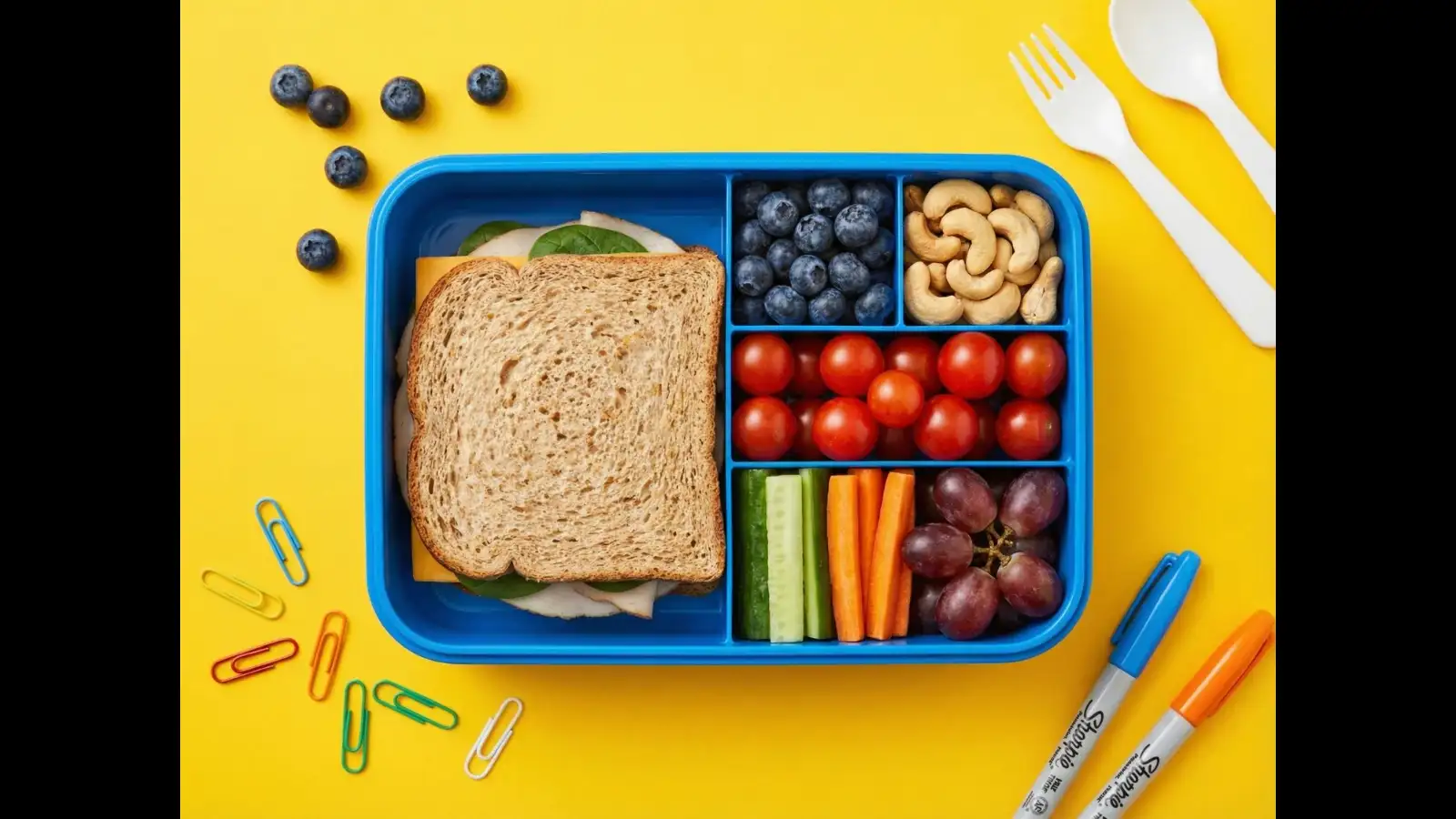
A balanced lunchbox can combine a source of carbohydrates, protein, vegetables, fruit and a suitable dairy product or fortified alternative. Variety matters more than repeating the same expensive or complicated foods.
Pair the main item with another food group rather than relying entirely on a snack or packaged product.
For example, vegetable paratha can be accompanied by a suitable yoghurt portion, while a sandwich can be paired with cucumber sticks and fruit.
Adapt the portion to the child's age, appetite and school schedule.
A small container of chickpea salad or a paneer filling can add variety to a lunchbox. If using leftovers, make sure they have been cooled and stored safely before packing.
Consider the child's preferences and introduce unfamiliar ingredients alongside familiar foods rather than replacing the entire lunch with something new.
Wash produce thoroughly and cut it into age-appropriate pieces. Younger children may need foods prepared to reduce choking risks.
Rotating options throughout the week can help children become familiar with different flavours and textures.
Plain yoghurt, homemade vegetable sandwiches, roasted chickpeas or suitable fruit can offer alternatives. Check packaged food labels because products marketed as healthy may still contain considerable added sugar or salt.
Avoid using food as a reward for finishing every item in the lunchbox. Children's appetite varies, and pressure can make mealtimes stressful.
Offer a limited choice, such as two fruit options or two sandwich fillings. This allows them to participate without requiring parents to prepare several different meals.
Use a clean lunchbox with separate compartments if it helps prevent foods from becoming soggy.
Keep hot foods hot in an appropriate insulated container. Follow food-safety advice for storage and avoid leaving perishable food at room temperature for extended periods.
Check school rules regarding allergens, especially if nuts or other restricted ingredients are involved.
The most useful approach is one that balances nutrition, food safety, the child's appetite and the family's schedule.
A balanced lunchbox can combine a source of carbohydrates, protein, vegetables, fruit and a suitable dairy product or fortified alternative. Variety matters more than repeating the same expensive or complicated foods.
1. Start With a Familiar Main Meal
Children are often more willing to eat foods they recognise. A vegetable paratha, wholemeal sandwich, vegetable poha or homemade idli can provide a practical starting point.Pair the main item with another food group rather than relying entirely on a snack or packaged product.
For example, vegetable paratha can be accompanied by a suitable yoghurt portion, while a sandwich can be paired with cucumber sticks and fruit.
Adapt the portion to the child's age, appetite and school schedule.
2. Include a Source of Protein
Protein supports growth and the maintenance of body tissues. Vegetarian options include cooked pulses, chickpeas, beans, paneer, tofu and suitable dairy products.A small container of chickpea salad or a paneer filling can add variety to a lunchbox. If using leftovers, make sure they have been cooled and stored safely before packing.
Consider the child's preferences and introduce unfamiliar ingredients alongside familiar foods rather than replacing the entire lunch with something new.
3. Add Fruit and Vegetables
Fruit and vegetables provide different vitamins, minerals and fibre. Choose options that are easy to eat, such as a banana, orange segments, cucumber sticks or cooked vegetables.Wash produce thoroughly and cut it into age-appropriate pieces. Younger children may need foods prepared to reduce choking risks.
Rotating options throughout the week can help children become familiar with different flavours and textures.
4. Keep Sugary Snacks Occasional
Biscuits, sweets and packaged snack foods may be convenient, but they should not routinely replace more nourishing foods.Plain yoghurt, homemade vegetable sandwiches, roasted chickpeas or suitable fruit can offer alternatives. Check packaged food labels because products marketed as healthy may still contain considerable added sugar or salt.
You may also like
Avoid using food as a reward for finishing every item in the lunchbox. Children's appetite varies, and pressure can make mealtimes stressful.
5. Make Lunch Appealing
Children may be more interested in their lunch when they help choose ingredients or prepare simple items at home.Offer a limited choice, such as two fruit options or two sandwich fillings. This allows them to participate without requiring parents to prepare several different meals.
Use a clean lunchbox with separate compartments if it helps prevent foods from becoming soggy.
6. Do Not Overlook Food Safety
Perishable foods such as dairy products and cooked fillings need suitable temperature control. Use an insulated lunch bag and an ice pack where necessary.Keep hot foods hot in an appropriate insulated container. Follow food-safety advice for storage and avoid leaving perishable food at room temperature for extended periods.
Check school rules regarding allergens, especially if nuts or other restricted ingredients are involved.
Build a Sustainable Routine
A successful lunchbox does not have to be elaborate. Plan a few reliable combinations, prepare ingredients in advance where safe and use leftovers promptly.The most useful approach is one that balances nutrition, food safety, the child's appetite and the family's schedule.






Loving Newspoint? Download the app now
