
Want Better Blood Sugar Control? These Everyday Indian Home Foods Can Make A Real Difference

Keeping blood sugar within a healthy range often begins in the kitchen. According to nutrition experts, regular eating habits, balanced meals and sensible portion sizes play an important role in supporting overall metabolic health. The good news is that Indian home food already includes many wholesome ingredients that can fit into a healthy Indian diet without sacrificing flavour. Rather than eliminating favourite dishes, the focus should be on making smarter choices with grains, vegetables, protein and cooking methods. Small, consistent changes can gradually become lasting habits that support better blood sugar control .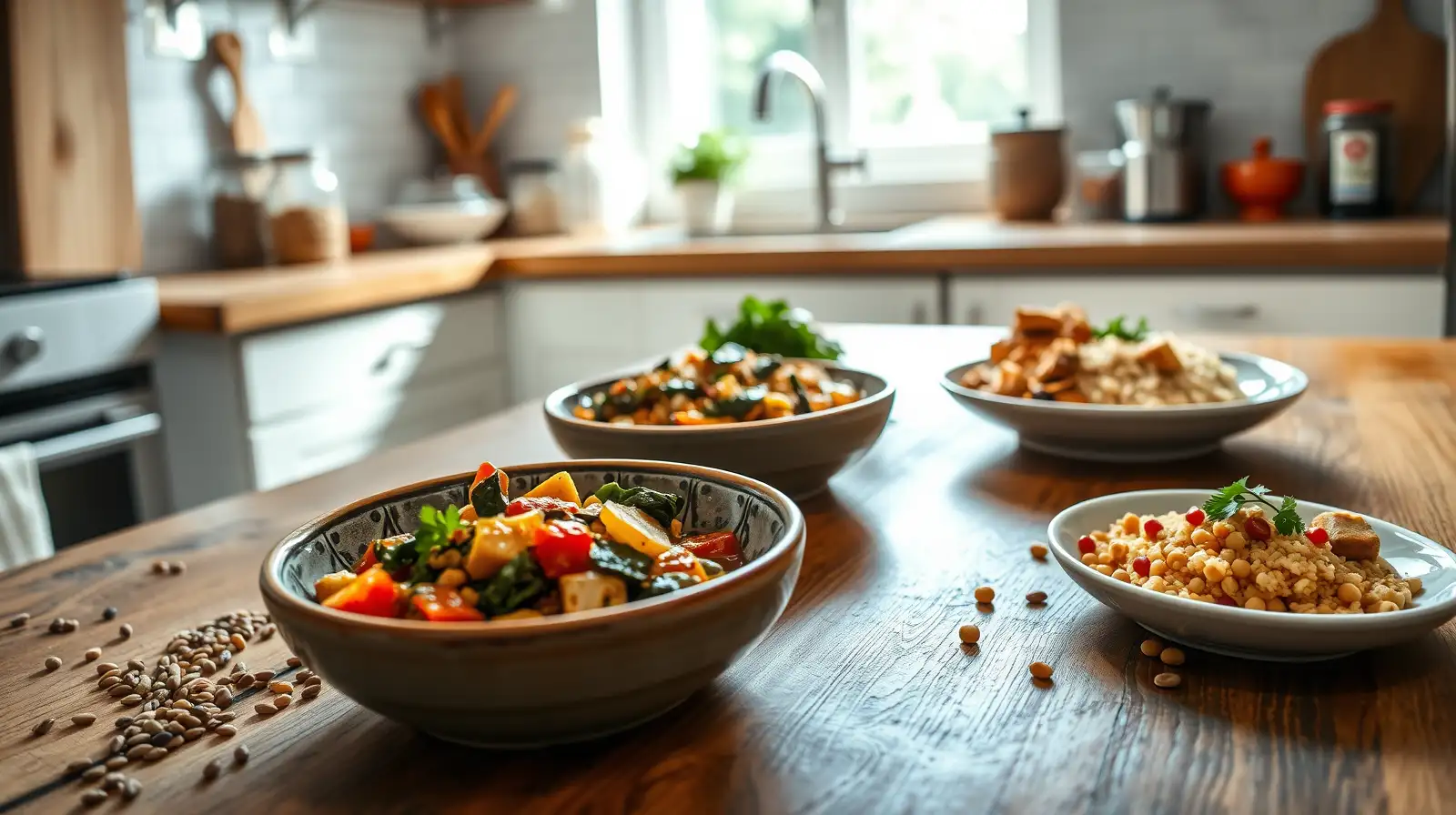
Adding whole grains gradually also makes it easier for families to adapt without dramatically changing familiar recipes.
Seasonal vegetables cooked with minimal oil and moderate spices can be both nutritious and satisfying.
Combining protein with whole grains and vegetables creates balanced Indian meals that are both filling and nutritious.
Steaming, grilling, roasting and lightly sautéing foods instead of deep frying may also help reduce unnecessary fat consumption while preserving flavour.
Experts also recommend eating meals at regular times instead of skipping meals or eating very late. Consistency, along with regular physical activity and medical guidance where required, can complement a balanced diet. With thoughtful food choices, Indian home food can remain both comforting and supportive of healthier blood sugar management.
Choose Whole Grains Instead Of Refined Staples
One of the easiest changes is replacing refined grains with whole alternatives. Brown rice, millets, whole wheat rotis and oats generally contain more fibre than polished rice or refined flour. According to dietitians, fibre slows digestion, which may help reduce sudden spikes in blood sugar after meals.Adding whole grains gradually also makes it easier for families to adapt without dramatically changing familiar recipes.
Fill Half Your Plate With Vegetables
Non-starchy vegetables such as spinach, bottle gourd, cauliflower, cabbage, beans and ladyfinger are rich in nutrients while being relatively low in calories. Experts suggest making vegetables a major part of lunch and dinner to increase fibre intake and improve meal balance.Seasonal vegetables cooked with minimal oil and moderate spices can be both nutritious and satisfying.
Include Protein In Every Meal
Protein helps improve satiety and may contribute to steadier energy levels throughout the day. Everyday Indian foods such as dals, chickpeas, rajma, sprouts, paneer, eggs, curd and fish can all become part of diabetes-friendly meals .Combining protein with whole grains and vegetables creates balanced Indian meals that are both filling and nutritious.
Be Mindful Of Portions And Cooking Methods
Healthy ingredients can still contribute to excess calorie intake if portions become too large. According to health professionals, eating moderate servings and avoiding frequent overeating can support long-term blood sugar management.Steaming, grilling, roasting and lightly sautéing foods instead of deep frying may also help reduce unnecessary fat consumption while preserving flavour.
Limit Sugary Foods And Stay Consistent
Traditional sweets, sugary beverages and heavily processed snacks are best enjoyed occasionally rather than daily. Fresh fruit, roasted nuts or homemade snacks can often be healthier alternatives when hunger strikes.Experts also recommend eating meals at regular times instead of skipping meals or eating very late. Consistency, along with regular physical activity and medical guidance where required, can complement a balanced diet. With thoughtful food choices, Indian home food can remain both comforting and supportive of healthier blood sugar management.






Loving Newspoint? Download the app now
