
Want Younger-Looking Skin Without Chemicals? Discover Timeless Ayurvedic Rituals That Support Healthy Ageing

In an era dominated by expensive skincare products and complex beauty routines, many people are turning towards traditional wellness practices for sustainable solutions. Ayurveda, the ancient Indian system of holistic health, offers a different perspective on skin ageing. Rather than focusing solely on external treatments, it emphasises internal balance, proper nutrition, lifestyle habits and natural care. Ageing is a natural biological process, but Ayurveda suggests that certain daily rituals can help support healthy skin, improve its appearance and maintain a natural glow over time. These practices are not designed to stop ageing but to promote skin vitality, hydration and overall wellbeing. By embracing a balanced approach, individuals may discover a gentle and natural way to care for their skin at every stage of life.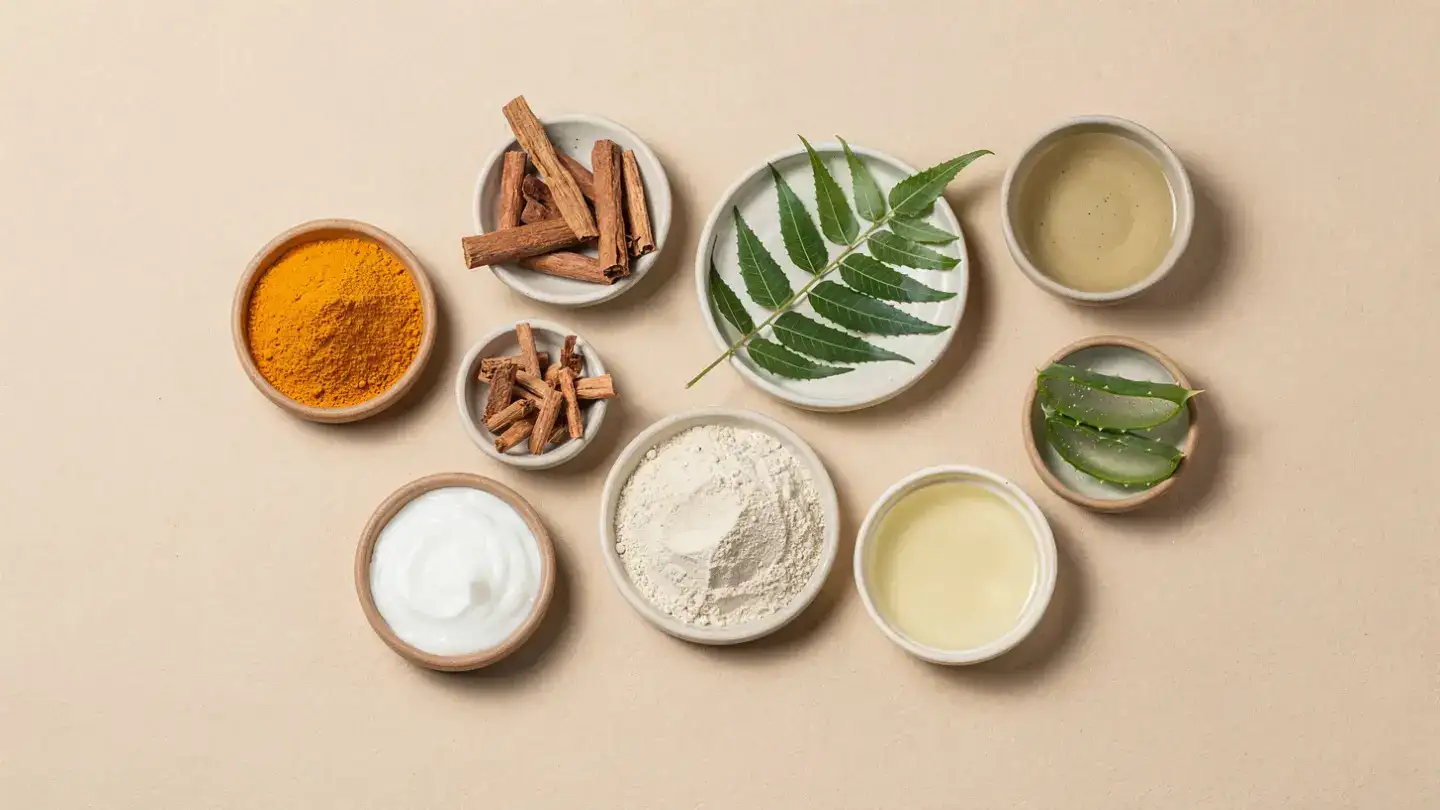
Ayurveda considers healthy digestion, quality sleep, emotional wellbeing and proper circulation as important factors influencing skin condition. Therefore, skincare extends beyond creams and lotions and becomes part of a broader wellness routine that supports the body from within.
Sesame oil is traditionally used for many body types, while other oils may be chosen according to individual needs. Gentle massage may help maintain skin softness and provide hydration, particularly for people experiencing dryness associated with ageing.
Regular self-massage also offers the added benefit of reducing physical tension and encouraging mindfulness, both of which contribute to overall wellbeing.
Hydrating foods such as cucumbers, melons and seasonal fruits may help maintain moisture levels. Nuts and seeds provide beneficial fats that support skin structure, while colourful vegetables contain antioxidants that help protect the body from oxidative stress.
Warm, freshly prepared meals are often encouraged within Ayurvedic traditions, as they are believed to support healthy digestion, which in turn contributes to better skin health.
Turmeric is valued for its antioxidant properties and has long been incorporated into beauty rituals. Aloe vera is widely recognised for its soothing and hydrating qualities, while sandalwood is often used in face packs to promote a refreshed appearance.
These herbal ingredients can be incorporated into skincare routines through masks, cleansers or other natural formulations, depending on individual preferences and skin sensitivity.
During sleep, the body performs essential restorative functions that can influence skin appearance. Insufficient rest may contribute to dullness, tired-looking skin and increased stress levels.
Creating a consistent bedtime routine, limiting late-night screen exposure and maintaining a calming sleep environment can help support better rest and overall skin wellness.
Mindfulness practices such as meditation, controlled breathing exercises and gentle yoga are commonly recommended to help manage daily stress. These practices may support emotional balance and contribute to a healthier complexion over time.
Even a few minutes of relaxation each day can help create a sense of calm and encourage healthier lifestyle habits that benefit both the mind and body.
Adequate fluid intake helps support normal bodily functions and contributes to skin moisture. Herbal teas and naturally hydrating foods can complement water consumption and support overall wellbeing.
Hydration becomes particularly important as people age because the skin may naturally become drier over time.
Consistency often plays a significant role in achieving lasting wellness benefits. Rather than relying on occasional intensive treatments, Ayurveda encourages sustainable daily habits that gradually contribute to healthier skin and overall vitality.
Small actions performed regularly often produce more meaningful results than sporadic efforts.
Healthy, radiant skin is rarely the result of a single product or treatment. Ayurvedic skincare encourages a holistic approach that combines nourishment, self-care, stress management and mindful living. While ageing remains a natural part of life, adopting age-defying Ayurvedic rituals may help support skin health, maintain hydration and enhance natural radiance. By focusing on balance and consistency, these timeless practices offer a gentle and sustainable path towards caring for the skin from the inside out.
Understanding Skin Ageing Through Ayurveda
According to Ayurvedic principles, skin health is closely connected to the balance of the body's energies, known as doshas. As people grow older, changes in these energies can contribute to dryness, reduced elasticity and the appearance of fine lines.Ayurveda considers healthy digestion, quality sleep, emotional wellbeing and proper circulation as important factors influencing skin condition. Therefore, skincare extends beyond creams and lotions and becomes part of a broader wellness routine that supports the body from within.
Begin The Day With Ayurvedic Self-Massage
One of the most celebrated Ayurvedic beauty tips is Abhyanga, a daily self-massage using warm natural oils. This practice is believed to nourish the skin, improve circulation and support overall relaxation.Sesame oil is traditionally used for many body types, while other oils may be chosen according to individual needs. Gentle massage may help maintain skin softness and provide hydration, particularly for people experiencing dryness associated with ageing.
Regular self-massage also offers the added benefit of reducing physical tension and encouraging mindfulness, both of which contribute to overall wellbeing.
Nourish Your Skin Through Food
Ayurveda strongly emphasises the relationship between nutrition and skin health. A balanced diet rich in fresh fruits, vegetables, whole grains and healthy fats can provide essential nutrients that support healthy skin ageing .Hydrating foods such as cucumbers, melons and seasonal fruits may help maintain moisture levels. Nuts and seeds provide beneficial fats that support skin structure, while colourful vegetables contain antioxidants that help protect the body from oxidative stress.
Warm, freshly prepared meals are often encouraged within Ayurvedic traditions, as they are believed to support healthy digestion, which in turn contributes to better skin health.
Herbal Ingredients That Support Skin Wellness
Many traditional Ayurvedic skincare preparations include herbs known for their beneficial properties. Ingredients such as turmeric, sandalwood, aloe vera and neem have been used for generations in various skincare practices.Turmeric is valued for its antioxidant properties and has long been incorporated into beauty rituals. Aloe vera is widely recognised for its soothing and hydrating qualities, while sandalwood is often used in face packs to promote a refreshed appearance.
These herbal ingredients can be incorporated into skincare routines through masks, cleansers or other natural formulations, depending on individual preferences and skin sensitivity.
Prioritise Restful Sleep
Quality sleep is one of the most overlooked aspects of natural anti-ageing . Ayurveda places considerable importance on maintaining healthy sleep patterns to support physical repair and emotional balance.During sleep, the body performs essential restorative functions that can influence skin appearance. Insufficient rest may contribute to dullness, tired-looking skin and increased stress levels.
Creating a consistent bedtime routine, limiting late-night screen exposure and maintaining a calming sleep environment can help support better rest and overall skin wellness.
Manage Stress For Healthier Skin
Chronic stress can affect various aspects of health, including skin condition. Ayurveda recognises the strong connection between emotional wellbeing and physical appearance.Mindfulness practices such as meditation, controlled breathing exercises and gentle yoga are commonly recommended to help manage daily stress. These practices may support emotional balance and contribute to a healthier complexion over time.
Even a few minutes of relaxation each day can help create a sense of calm and encourage healthier lifestyle habits that benefit both the mind and body.
Stay Hydrated Throughout The Day
Proper hydration remains essential for maintaining skin health. While Ayurveda often recommends sipping water regularly rather than consuming large amounts at once, the key principle remains consistent hydration.Adequate fluid intake helps support normal bodily functions and contributes to skin moisture. Herbal teas and naturally hydrating foods can complement water consumption and support overall wellbeing.
Hydration becomes particularly important as people age because the skin may naturally become drier over time.
Embrace A Consistent Daily Routine
Ayurveda places great importance on routine, known as Dinacharya. Following a regular schedule for meals, sleep, exercise and self-care may help support balance within the body.Consistency often plays a significant role in achieving lasting wellness benefits. Rather than relying on occasional intensive treatments, Ayurveda encourages sustainable daily habits that gradually contribute to healthier skin and overall vitality.
Small actions performed regularly often produce more meaningful results than sporadic efforts.
Healthy, radiant skin is rarely the result of a single product or treatment. Ayurvedic skincare encourages a holistic approach that combines nourishment, self-care, stress management and mindful living. While ageing remains a natural part of life, adopting age-defying Ayurvedic rituals may help support skin health, maintain hydration and enhance natural radiance. By focusing on balance and consistency, these timeless practices offer a gentle and sustainable path towards caring for the skin from the inside out.
Next Story