
Is Your Weekend Enough To Recover From Work Stress? Try These 5 Habits

After a hectic Monday-to-Friday routine, it is tempting to treat the weekend as a complete reset. You may plan to sleep longer, exercise, eat healthier and finally spend some time relaxing. But can two healthier days really compensate for five days of long working hours, poor sleep, prolonged sitting and constant deadlines?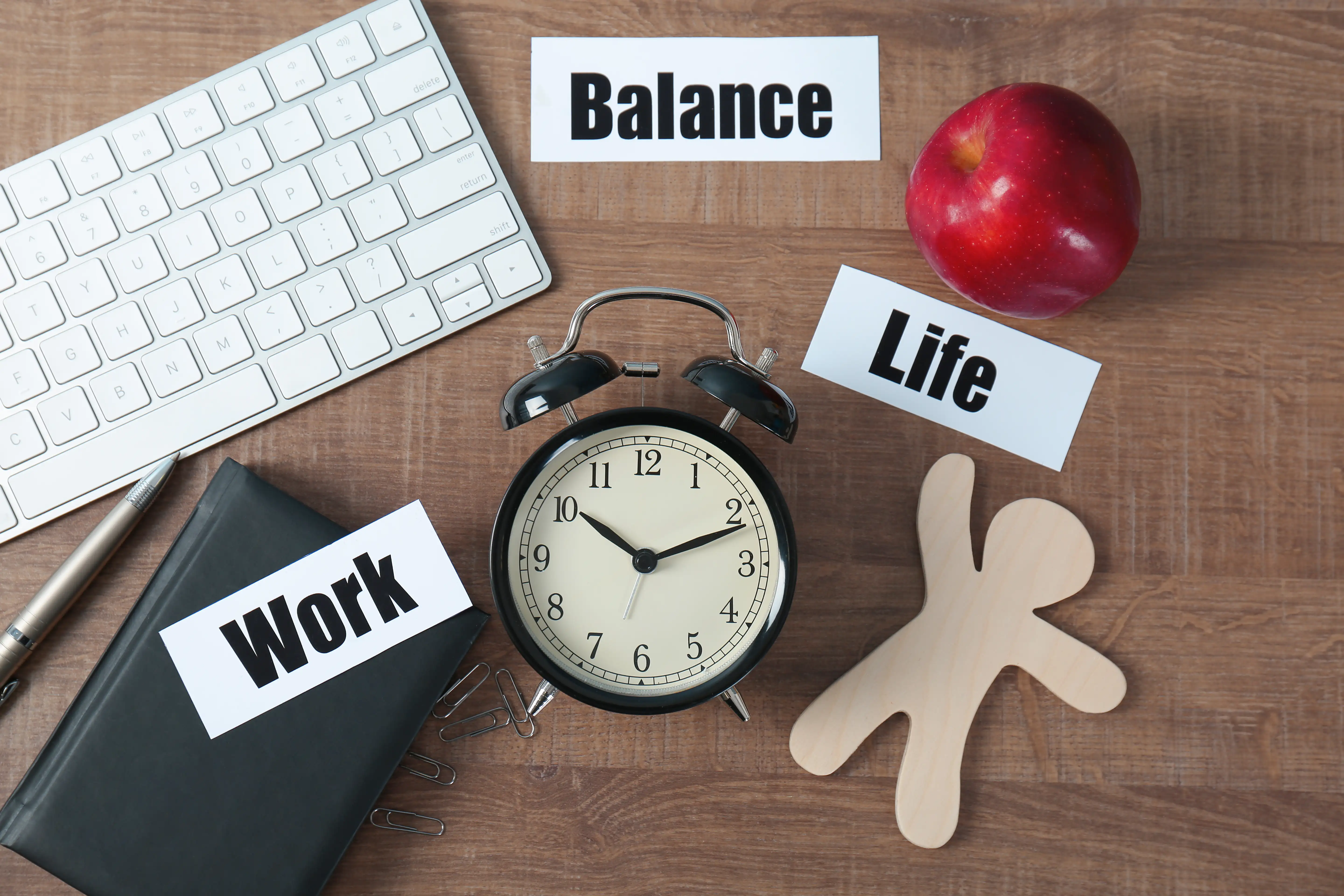
Not entirely.
Your overall wellbeing is influenced by patterns that continue over time. A productive weekend can certainly help you feel refreshed, but work stress recovery is more effective when healthy habits are built into your weekdays as well.
What to do: Plan simple weekday meals, include vegetables and fibre-rich foods, drink enough water and avoid relying heavily on sugary drinks or convenience foods. A consistent eating routine is more sustainable than restricting yourself during the week and overindulging at the weekend.
What to do: Take short walking breaks, stretch between tasks, use the stairs when practical or take a brief walk after meals. These small activities can become useful healthy work habits without requiring a lengthy workout.
Also Read: How To Achieve True Work Life Balance In A Fast Paced World Without Feeling Constantly Overwhelmed
What to do: Try maintaining a regular bedtime and wake-up routine throughout the week. Limiting late-night scrolling and creating a relaxing bedtime routine can also support better sleep habits.
What to do: Instead of waiting for the weekend, take short breaks during the working day. Step outside, stretch, take a few slow breaths or spend a few quiet minutes away from your screen. Regular breaks can form an important part of stress management .
What to do: Drink more water, add vegetables to meals, walk after eating, take screen breaks and maintain a consistent sleep schedule. These simple choices can make healthy living more manageable.
True work stress recovery also involves mentally disconnecting from work. If you spend your weekend checking emails or worrying about Monday, your mind may not get the break it needs.
Ongoing tiredness, difficulty sleeping, headaches, irritability, poor concentration or losing interest in activities you normally enjoy may indicate that it is time to address your stress levels. If stress is significantly affecting your daily life, relationships or wellbeing, consider speaking with a qualified healthcare professional.
You do not need to follow every healthy habit perfectly. The goal is consistency rather than trying to compensate for five stressful days with two extremely productive ones. Small, realistic changes throughout the week can create a more sustainable approach to stress management and long-term wellbeing.
Not entirely.
Your overall wellbeing is influenced by patterns that continue over time. A productive weekend can certainly help you feel refreshed, but work stress recovery is more effective when healthy habits are built into your weekdays as well.
5 Ways To Restore Work-Life Balance
1. Do Not Treat Nutrition As A Weekend Reset
Eating nutritious meals only on Saturday and Sunday cannot completely balance out a weekday diet dominated by processed foods, excess sugar or irregular meals.What to do: Plan simple weekday meals, include vegetables and fibre-rich foods, drink enough water and avoid relying heavily on sugary drinks or convenience foods. A consistent eating routine is more sustainable than restricting yourself during the week and overindulging at the weekend.
2. Make Daily Movement A Priority
A long workout on Sunday does not completely counteract spending most of the working week sitting at a desk. Regular movement can support physical fitness, mobility and mental wellbeing.What to do: Take short walking breaks, stretch between tasks, use the stairs when practical or take a brief walk after meals. These small activities can become useful healthy work habits without requiring a lengthy workout.
Also Read: How To Achieve True Work Life Balance In A Fast Paced World Without Feeling Constantly Overwhelmed
3. Prioritise Consistent Sleep
Sleeping for several extra hours at the weekend may feel like the perfect way to recover from a tiring week. However, consistently getting too little sleep during the week can leave you feeling exhausted even after your days off.What to do: Try maintaining a regular bedtime and wake-up routine throughout the week. Limiting late-night scrolling and creating a relaxing bedtime routine can also support better sleep habits.
4. Take Short Stress Breaks During The Week
Work-related pressure does not automatically disappear when you leave the office. Deadlines, emails and unfinished tasks can continue occupying your thoughts long after working hours.What to do: Instead of waiting for the weekend, take short breaks during the working day. Step outside, stretch, take a few slow breaths or spend a few quiet minutes away from your screen. Regular breaks can form an important part of stress management .
5. Focus On Small Weekday Choices
Improving work-life balance does not require completely changing your routine overnight. Small decisions repeated regularly can have a greater impact than occasional bursts of healthy behaviour.What to do: Drink more water, add vegetables to meals, walk after eating, take screen breaks and maintain a consistent sleep schedule. These simple choices can make healthy living more manageable.
You may also like
- Asim Riaz Breaks Silence On Himanshi Khurana's Religion Remark: 'I Never Asked Her To Change'
- Fond of butter? Here's the untold story of India's only butter capital
- NPS Vatsalya: Start investing for your child's future with just ₹250; learn more about the scheme
- LPG E-KYC: What happens if the gas connection is disconnected, and what are the charges?
- Don't let your balcony garden flood
Why Do You Still Feel Tired After The Weekend?
If your working week involves high pressure, inadequate sleep and little time for yourself, two days may not feel like enough recovery time. Even weekends can become exhausting if they are filled with errands, household chores, social commitments, shopping or late nights.True work stress recovery also involves mentally disconnecting from work. If you spend your weekend checking emails or worrying about Monday, your mind may not get the break it needs.
When Should You Take Work Stress Seriously?
Some level of stress is a normal part of everyday life. However, persistent workplace stress should not be ignored if it regularly affects your ability to function or enjoy daily activities.Ongoing tiredness, difficulty sleeping, headaches, irritability, poor concentration or losing interest in activities you normally enjoy may indicate that it is time to address your stress levels. If stress is significantly affecting your daily life, relationships or wellbeing, consider speaking with a qualified healthcare professional.
The Takeaway
A weekend can provide valuable time to rest, but work-life balance is not something that should begin every Friday evening. Consistent sleep, regular movement, balanced meals and short breaks during the working week can make it easier to manage pressure and feel more refreshed.You do not need to follow every healthy habit perfectly. The goal is consistency rather than trying to compensate for five stressful days with two extremely productive ones. Small, realistic changes throughout the week can create a more sustainable approach to stress management and long-term wellbeing.






Loving Newspoint? Download the app now
