
What Really Happens to Clothes That Never Get Sold? The Fashion Industry's Best-Kept Secret

Walk into any clothing store today and you'll probably see racks filled with the latest collection. Bright colours for summer, cosy hoodies for winter, and new arrivals that promise to be this season's biggest trend. A few months later, those same racks look completely different. The old collection is gone. A new one has taken its place. Most of us don't think twice about it. We simply assume the old clothes were sold. But were they?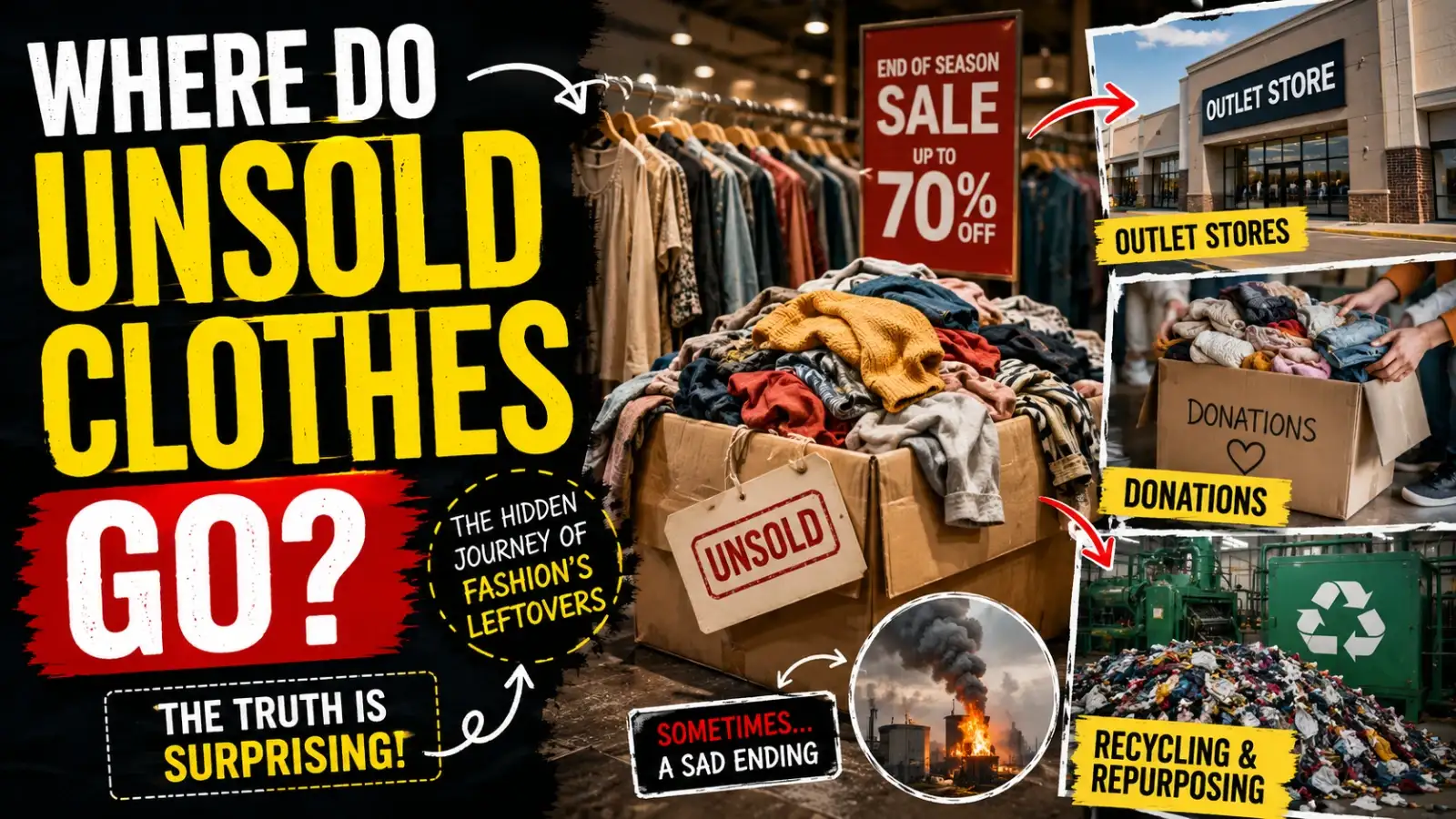
The next time you visit a mall, take a closer look at the clearance section. Notice those shirts with giant discount stickers? The dresses tucked away in the corner? The jackets no one seems interested in? Those clothes all have one thing in common. They were made with the hope that someone would fall in love with them. But no one did. So... what happens next? The answer is far more interesting than most of us realise.
Sometimes they get those predictions right. Sometimes they're completely wrong. And when they're wrong, thousands or even millions of perfectly good clothes are left without a buyer.
It's about making room for the next collection. Every unsold item takes up space in a warehouse or on a store shelf, and in fashion, space is money. But even after weeks of discounts, some clothes still remain unsold. That's when their journey takes an unexpected turn.
They don't make a full profit, but they do get back some of the money they spent making those clothes. For shoppers, it feels like discovering a hidden bargain. For brands, it's a way to reduce losses.
It's one of the more positive endings an unsold garment can have. But donations alone aren't enough to solve the problem. The sheer volume of clothing produced every year is enormous.
It's an encouraging step. But recycling fabric isn't nearly as simple as recycling paper or glass. Many clothes are made using a blend of different materials, making them difficult and expensive to recycle completely.
Some products were shredded as usual; others were burnt. When news of these practices became public, it sparked outrage across the world. People questioned how perfectly wearable clothes could be destroyed while the fashion industry was already facing criticism for its environmental impact. Since then, several major brands have promised to stop the practice, and governments in some countries have introduced stricter rules to avoid it.
That constant cycle encourages more production. And more production often means more leftovers. It's one of the reasons the fashion industry is responsible for millions of tonnes of textile waste every year.
Fashion doesn't have to be thrown away. Sometimes the most sustainable piece of clothing is the one that's already hanging in your wardrobe.
Every outfit has a story
The next time you're browsing through a sale rack, pause for a second. That shirt wasn't designed to end up with a giant discount sticker. Someone sketched it, someone stitched it, someone carefully packed it, someone believed it would become part of somebody's life.
Some clothes eventually find their owner. Others are donated, recycled, or moved from one store to another. And sadly, some never get that second chance. Maybe the biggest surprise isn't what happens to unsold clothes. It's how many are made before anyone even knows if we want them.
The next time you visit a mall, take a closer look at the clearance section. Notice those shirts with giant discount stickers? The dresses tucked away in the corner? The jackets no one seems interested in? Those clothes all have one thing in common. They were made with the hope that someone would fall in love with them. But no one did. So... what happens next? The answer is far more interesting than most of us realise.
Fashion Is a Game of Predictions
Here's something we rarely think about. By the time you're buying a winter jacket in November, that jacket was probably designed, manufactured, and shipped months earlier. Fashion brands don't wait for customers to decide what they want. They have to guess. How many people will buy this colour? Will oversized jeans still be trending? Will floral prints be popular this year?Sometimes they get those predictions right. Sometimes they're completely wrong. And when they're wrong, thousands or even millions of perfectly good clothes are left without a buyer.
The First Stop Is Exactly What You'd Expect
Before anything else happens, brands try their hardest to sell every last piece. That's why we see end-of-season sales, festive discounts, clearance events, and "Flat 70% Off" banners. It's not just about attracting shoppers.It's about making room for the next collection. Every unsold item takes up space in a warehouse or on a store shelf, and in fashion, space is money. But even after weeks of discounts, some clothes still remain unsold. That's when their journey takes an unexpected turn.
They Don't Always Stay in the Same Store
Have you ever found a branded jacket at an outlet store for almost half its original price? There's a good chance it came from unsold inventory. Many brands quietly move additional stock to outlet malls or sell it in bulk to discount retailers.They don't make a full profit, but they do get back some of the money they spent making those clothes. For shoppers, it feels like discovering a hidden bargain. For brands, it's a way to reduce losses.
Some Clothes Find a Second Home
Not every unsold garment is treated as waste. Many fashion companies donate wearable clothes to charities, disaster relief organisations, schools and community programmes. Others partner with organisations that distribute clothing to people who genuinely need it.It's one of the more positive endings an unsold garment can have. But donations alone aren't enough to solve the problem. The sheer volume of clothing produced every year is enormous.
Giving Old Clothes a New Purpose
Over the past few years, recycling has become a bigger part of the fashion conversation. Old clothes can be transformed into insulation for buildings, stuffing for furniture, industrial cleaning cloths, or fibres used to create new textiles.It's an encouraging step. But recycling fabric isn't nearly as simple as recycling paper or glass. Many clothes are made using a blend of different materials, making them difficult and expensive to recycle completely.
The Truth That Shocked the Fashion World
Now comes the part many people find hard to believe. For years, some luxury brands destroyed unsold clothes . Not because they were damaged, not because they couldn't be worn but because selling them at huge discounts could make the brand seem less exclusive.Some products were shredded as usual; others were burnt. When news of these practices became public, it sparked outrage across the world. People questioned how perfectly wearable clothes could be destroyed while the fashion industry was already facing criticism for its environmental impact. Since then, several major brands have promised to stop the practice, and governments in some countries have introduced stricter rules to avoid it.
You may also like
- Simple ways prevent waterborne diseases in monsoons
- He moved to Mumbai for a ₹30,000 salary: Meet founder Gajendra Kothari, who now invests ₹52 lakh every month and is worth ₹67 crore
- How to clean gas stove burners without scrubbing: 8 simple ways to remove grease and burnt residue naturally
- Explained: Stock Market or Mutual Funds – Where Are the Country's Gen Zs Making the Most Money?
- Keys to a Healthy Lifestyle
The Fast Fashion Effect
The rise of fast fashion has made this challenge even bigger. Instead of launching just two or four collections a year, many retailers now introduce new styles almost every week. The faster trends change, the faster yesterday's "must-have" item becomes old news.That constant cycle encourages more production. And more production often means more leftovers. It's one of the reasons the fashion industry is responsible for millions of tonnes of textile waste every year.
The Power We Have as Consumers
It's easy to point fingers at fashion brands. But as shoppers, we shape the system too. Every order we make sends a message about the kind of fashion we want. Buying clothes we'll actually wear, repeating outfits without worrying about social media, repairing garments instead of replacing them, and donating clothes we no longer use are all small choices that make a quite big difference.Fashion doesn't have to be thrown away. Sometimes the most sustainable piece of clothing is the one that's already hanging in your wardrobe.
Every outfit has a story
The next time you're browsing through a sale rack, pause for a second. That shirt wasn't designed to end up with a giant discount sticker. Someone sketched it, someone stitched it, someone carefully packed it, someone believed it would become part of somebody's life.
Some clothes eventually find their owner. Others are donated, recycled, or moved from one store to another. And sadly, some never get that second chance. Maybe the biggest surprise isn't what happens to unsold clothes. It's how many are made before anyone even knows if we want them.






Loving Newspoint? Download the app now
