
What Is Kesar Called In English? Explore Its Meaning, Origins, Health Benefits And Culinary Uses

Kesar in English is Saffron, a rare and highly valued spice derived from the red stigmas of the Crocus sativus flower. Known for its golden hue and sweet, floral fragrance, saffron is widely used in cooking, traditional medicine, and beauty treatments. Even a pinch of this spice can transform the taste, aroma, and visual appeal of a dish, making it an essential ingredient in kitchens worldwide.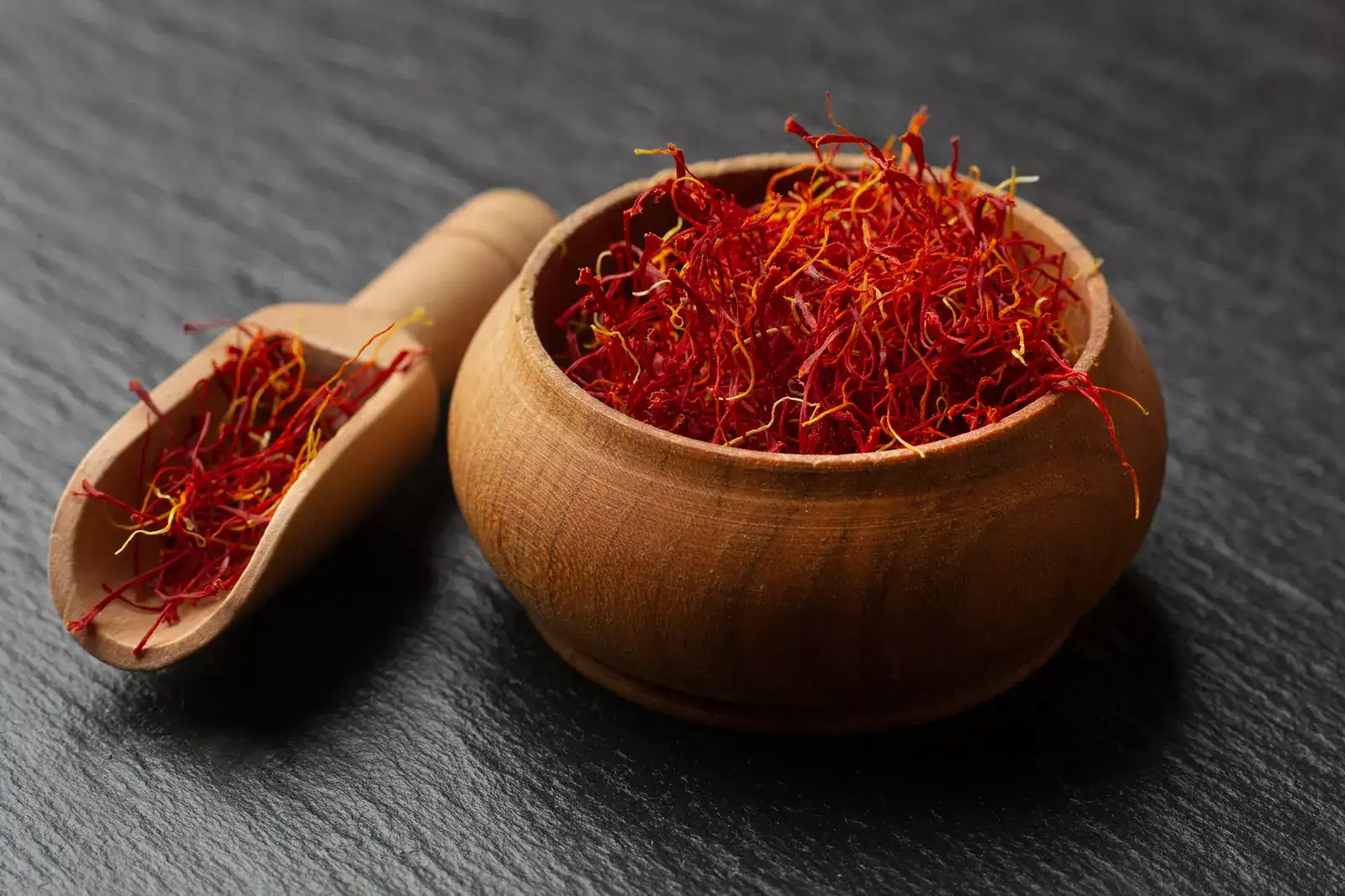
Origin of Kesar
Saffron has a history spanning over 3,000 years. It is believed to have originated in Iran and spread to Greece, Spain, and India through ancient trade routes. In India, Jammu & Kashmir, especially Pampore, is renowned for producing premium saffron. The region’s cool climate, fertile soil, and traditional cultivation methods ensure top-quality saffron that is highly sought after globally.
How Saffron is Harvested
Harvesting saffron is delicate and labour-intensive. The Crocus sativus flowers bloom for only a short period in autumn, and the red stigmas must be handpicked at dawn to retain freshness. Around 150 flowers are needed to produce just one gram of saffron, which explains why it is the world’s most expensive spice.
Culinary Uses of Saffron
Saffron is used in both sweet and savoury dishes. In India, it flavours biryani, kheer, kulfi, rasmalai, and shrikhand, and is added to saffron milk or Kashmiri kahwa. Globally, saffron is essential in Spanish paella, Italian risotto, and French bouillabaisse, providing a unique aroma and golden hue to dishes.
Read More: Real vs Fake Saffron: Easy Ways to Spot the Difference
Health Benefits of Kesar
Rich in antioxidants, saffron supports mood enhancement, memory improvement, digestion, heart health, and glowing skin. Traditional medicine uses saffron for stress relief, skin treatments, and overall wellness.
Interesting Facts About Kesar
Origin of Kesar
Saffron has a history spanning over 3,000 years. It is believed to have originated in Iran and spread to Greece, Spain, and India through ancient trade routes. In India, Jammu & Kashmir, especially Pampore, is renowned for producing premium saffron. The region’s cool climate, fertile soil, and traditional cultivation methods ensure top-quality saffron that is highly sought after globally. How Saffron is Harvested
Harvesting saffron is delicate and labour-intensive. The Crocus sativus flowers bloom for only a short period in autumn, and the red stigmas must be handpicked at dawn to retain freshness. Around 150 flowers are needed to produce just one gram of saffron, which explains why it is the world’s most expensive spice.You may also like
- “Get Better Facts” Vishal Dadlani Targets Dhurandhar 2's Demonetisation Story
- Priyanka Chopra Jonas: 5 modern and powerful parenting lessons from The Bluff star
- The Untold Story of Neera Arya: India's First Female Spy
- Stop Using Shampoo! Try This Aloe Vera Trick
- Navratri Day 6: Why Maa Katyayani Is Worshipped for Marriage
Culinary Uses of Saffron
Saffron is used in both sweet and savoury dishes. In India, it flavours biryani, kheer, kulfi, rasmalai, and shrikhand, and is added to saffron milk or Kashmiri kahwa. Globally, saffron is essential in Spanish paella, Italian risotto, and French bouillabaisse, providing a unique aroma and golden hue to dishes. Read More: Real vs Fake Saffron: Easy Ways to Spot the Difference
Health Benefits of Kesar
Rich in antioxidants, saffron supports mood enhancement, memory improvement, digestion, heart health, and glowing skin. Traditional medicine uses saffron for stress relief, skin treatments, and overall wellness. Interesting Facts About Kesar
- Known as the world’s most expensive spice, saffron can cost over ₹2 lakh per kilogram.
- Each flower produces only three stigmas, requiring 150–200 flowers per gram.
- Pampore, Jammu & Kashmir, produces saffron with deep red colour and high crocin content, protected by a GI tag.
- Its fragrance comes from safranal, while crocin gives saffron its golden hue.
- Saffron blooms for just two to three weeks in autumn, making its harvest highly seasonal.






More from our partners


Loving Newspoint? Download the app now
