
What Is Pasteurised Milk? How Is It Different From Regular Milk?

Pasteurised milk is milk that has been subjected to controlled heat treatment to reduce potentially harmful microorganisms. The process is named after French scientist Louis Pasteur, whose work helped establish the principle of using heat to make certain foods and drinks safer.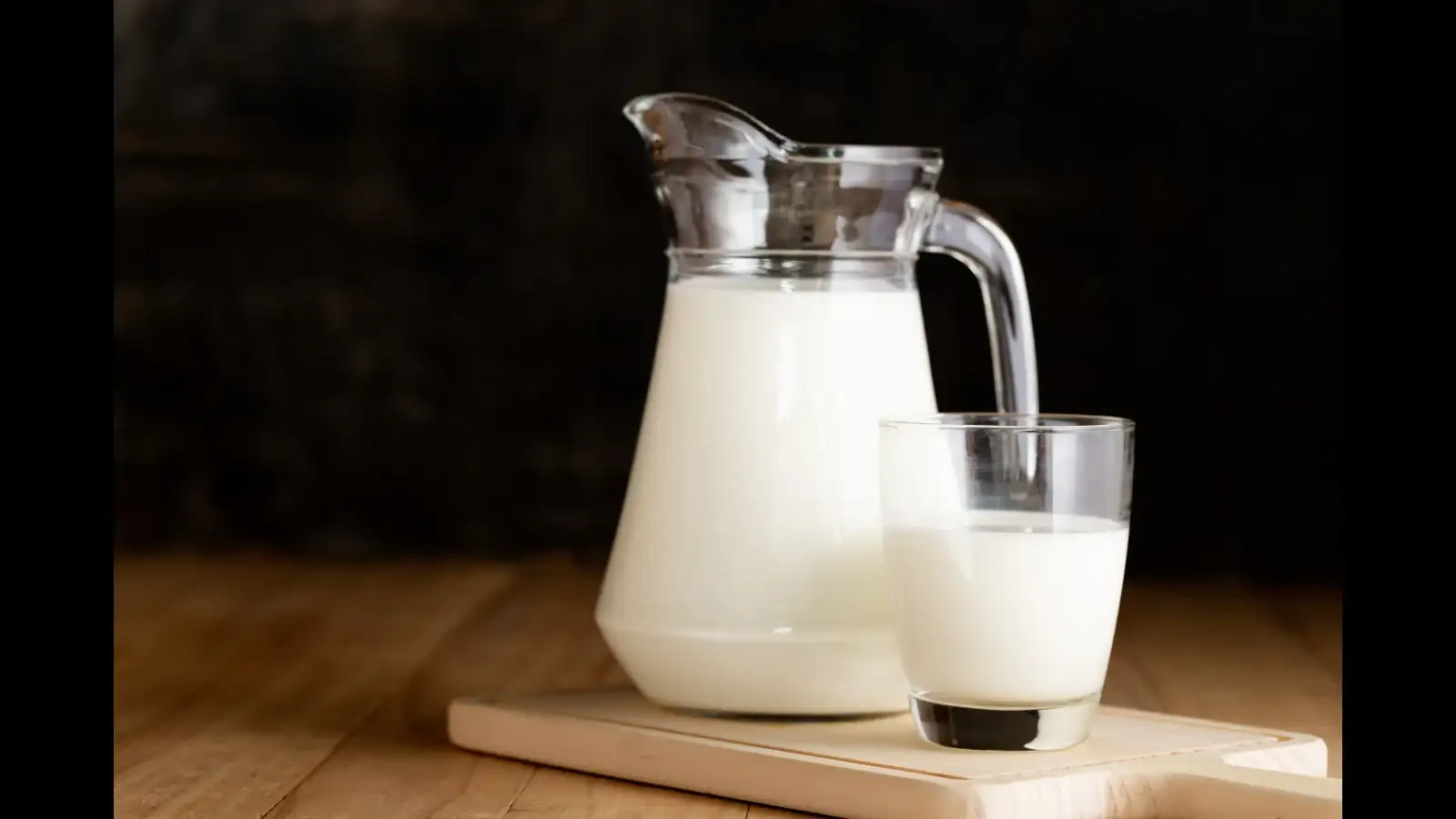
During pasteurisation, milk is heated to a specific temperature for a set amount of time and then rapidly cooled. The exact temperature and duration can vary depending on the pasteurisation method being used.
The objective is not to sterilise milk completely. Instead, pasteurisation significantly reduces bacteria that may cause foodborne illness while keeping the milk suitable for normal consumption.
After treatment, the milk is cooled and packaged under hygienic conditions. It must then be kept refrigerated to maintain its quality and safety.
Pasteurisation does not mean the milk can be stored indefinitely. Once opened, it should be handled carefully and kept refrigerated according to the instructions on the packaging.
In many markets, ordinary fresh milk sold in shops is already pasteurised. Therefore, pasteurised milk is not necessarily a completely different product from regular milk. The more meaningful comparison is between pasteurised milk and raw, unpasteurised milk.
Raw milk has not undergone the pasteurisation process, meaning potentially harmful microorganisms have not been reduced through controlled heat treatment.
Milk naturally provides nutrients such as protein, calcium, carbohydrates and several vitamins and minerals. Pasteurisation can cause some changes to certain heat-sensitive nutrients, but it does not remove the core nutritional value of milk.
The overall nutritional content can also vary depending on factors such as the type of milk, processing and fortification.
The bigger distinction consumers may notice is between fresh pasteurised milk and milk that has undergone more intensive heat treatment, such as UHT processing.
For this reason, pasteurisation is an important step in commercial milk processing. It allows consumers to enjoy milk while reducing the risks associated with potentially harmful bacteria.
During pasteurisation, milk is heated to a specific temperature for a set amount of time and then rapidly cooled. The exact temperature and duration can vary depending on the pasteurisation method being used.
The objective is not to sterilise milk completely. Instead, pasteurisation significantly reduces bacteria that may cause foodborne illness while keeping the milk suitable for normal consumption.
How Is Pasteurised Milk Made?
Fresh milk naturally contains microorganisms. Some are harmless, but others can potentially cause illness. Pasteurisation uses carefully controlled heat to reduce these harmful microorganisms.After treatment, the milk is cooled and packaged under hygienic conditions. It must then be kept refrigerated to maintain its quality and safety.
Pasteurisation does not mean the milk can be stored indefinitely. Once opened, it should be handled carefully and kept refrigerated according to the instructions on the packaging.
Is Pasteurised Milk The Same As Regular Milk?
This is where some confusion arises. "Regular milk" is not a specific scientific category. In everyday conversation, people may use the term to describe ordinary packaged milk.In many markets, ordinary fresh milk sold in shops is already pasteurised. Therefore, pasteurised milk is not necessarily a completely different product from regular milk. The more meaningful comparison is between pasteurised milk and raw, unpasteurised milk.
Raw milk has not undergone the pasteurisation process, meaning potentially harmful microorganisms have not been reduced through controlled heat treatment.
Does Pasteurisation Affect Nutrition?
Pasteurisation is primarily a food-safety process rather than a method for changing the nutritional profile of milk.Milk naturally provides nutrients such as protein, calcium, carbohydrates and several vitamins and minerals. Pasteurisation can cause some changes to certain heat-sensitive nutrients, but it does not remove the core nutritional value of milk.
The overall nutritional content can also vary depending on factors such as the type of milk, processing and fortification.
Does Pasteurised Milk Taste Different?
For most consumers, pasteurised milk has the familiar fresh-milk taste. Heat treatment can produce subtle changes in flavour, particularly when different processing methods or temperatures are used, but these differences are generally not dramatic.The bigger distinction consumers may notice is between fresh pasteurised milk and milk that has undergone more intensive heat treatment, such as UHT processing.
Pasteurised Milk Vs Raw Milk: The Key Difference
The main difference comes down to food safety and processing. Pasteurised milk has been heat-treated to reduce harmful microorganisms, whereas raw milk has not.For this reason, pasteurisation is an important step in commercial milk processing. It allows consumers to enjoy milk while reducing the risks associated with potentially harmful bacteria.
Next Story