
What Is Uttarakhand’s Butter Festival? Know Why People Play Holi With Makhan

As the monsoon season wanes across the Garhwal Himalayas, the vast high-altitude meadow of Dayara Bugyal comes alive with folk music, traditional dances, and festive cheer. Located in the Uttarkashi district of Uttarakhand, Dayara Bugyal is famed for its sweeping grassy slopes and panoramic views of snow-capped Himalayan peaks. Every year during the month of August, local communities gather here to observe Anduri Utsav, a traditional butter festival that honors the bond between mountain dwellers, their livestock, and nature.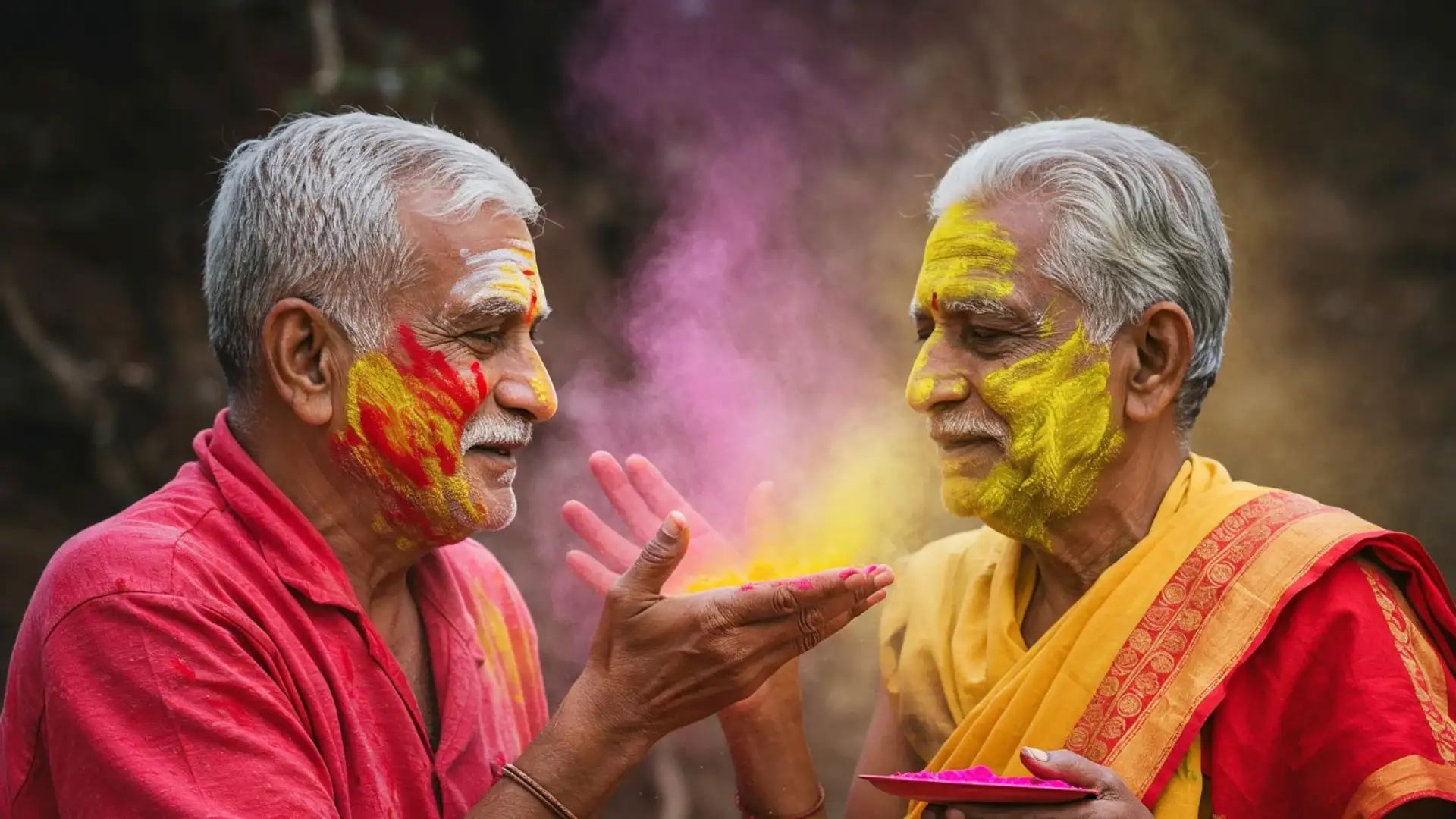
While many cultural festivals across India rely on water, flowers, or powdered dyes, Anduri Utsav features a unique twist: celebrating by smearing fresh home-churned butter, milk, and buttermilk on one another in a joyful ritual known as
.
As autumn approaches, cattle herders prepare to descend back to their base villages in the valley before severe cold sets in. Before beginning their trek downward, villagers pay homage to Lord Krishna, Lord Shiva, and local deities to express gratitude for abundant dairy yields and for keeping their herds safe from predators and treacherous terrain throughout the grazing season.
Traditionally, villagers used to throw cow dung at each other as part of an ancient purification ritual to ward off illnesses. Over time, to make the festivities more welcoming to visitors and younger generations, the community shifted toward using fresh, fragrant churned butter, milk, and curd.
While many cultural festivals across India rely on water, flowers, or powdered dyes, Anduri Utsav features a unique twist: celebrating by smearing fresh home-churned butter, milk, and buttermilk on one another in a joyful ritual known as
.
Origins and Ecological Significance
The roots of Anduri Utsav are deeply tied to the transhumance lifestyle of Himalayan pastoralists. During the summer months, villagers migrate with their cattle, sheep, and goats to the lush high-altitude pastures of Dayara Bugyal, where livestock graze on nutrient-rich wild grasses.You may also like
- Permanent makeup is moving into the mainstream; expert Dr Shagun Gupta shares why
- 8 Balcony makeover tricks and tips for beginners
- Sawan 2026: If you are bored with sago, then make makhana and rajgira cutlets for fasting today
- Blackheads and tanning have dull skin? Use a spoonful of lentils to make this face pack
- Health Tips: These kitchen spices will solve problems like gas and bloating in minutes
As autumn approaches, cattle herders prepare to descend back to their base villages in the valley before severe cold sets in. Before beginning their trek downward, villagers pay homage to Lord Krishna, Lord Shiva, and local deities to express gratitude for abundant dairy yields and for keeping their herds safe from predators and treacherous terrain throughout the grazing season.
Traditionally, villagers used to throw cow dung at each other as part of an ancient purification ritual to ward off illnesses. Over time, to make the festivities more welcoming to visitors and younger generations, the community shifted toward using fresh, fragrant churned butter, milk, and curd.
Key Celebrations and Rituals
- Sacred Offerings: The festival begins with ceremonial prayers and offerings of freshly prepared dairy products to local deities at the high-altitude meadow.
- Traditional Folk Dances: Villagers dressed in vibrant Garhwali attire perform traditional dances, including the
and
, accompanied by the rhythmic sounds of
and
drums. - Makhan Holi Celebrations: Participants smear butter and milk on friends, family, and travelers, creating a joyful, festive atmosphere amidst the scenic mountain backdrop.
- Cultural Preservation: The festival brings together surrounding villages, particularly Raithal and Barsu, strengthening community bonds and passing down mountain traditions to younger generations.
Promoting Sustainable Eco-Tourism
In recent years, Anduri Utsav has attracted trekking enthusiasts, culture lovers, and eco-tourists from across the country. Local authorities and village councils work together to ensure that the influx of visitors does not harm the delicate alpine ecosystem of Dayara Bugyal. By promoting responsible tourism, the community preserves its ancient cultural heritage while offering travelers a rare glimpse into the authentic traditions of Garhwal's high-altitude villages.





Loving Newspoint? Download the app now
