
What Makes A Dog Good With Kids? A Complete Family Guide

When choosing a family pet, many people search for a dog good with kids , but what does that actually mean? It’s not simply about picking a popular breed but it’s about understanding behaviour, training, and compatibility. A truly family-friendly dog combines temperament, patience, and proper upbringing to thrive in a home with children.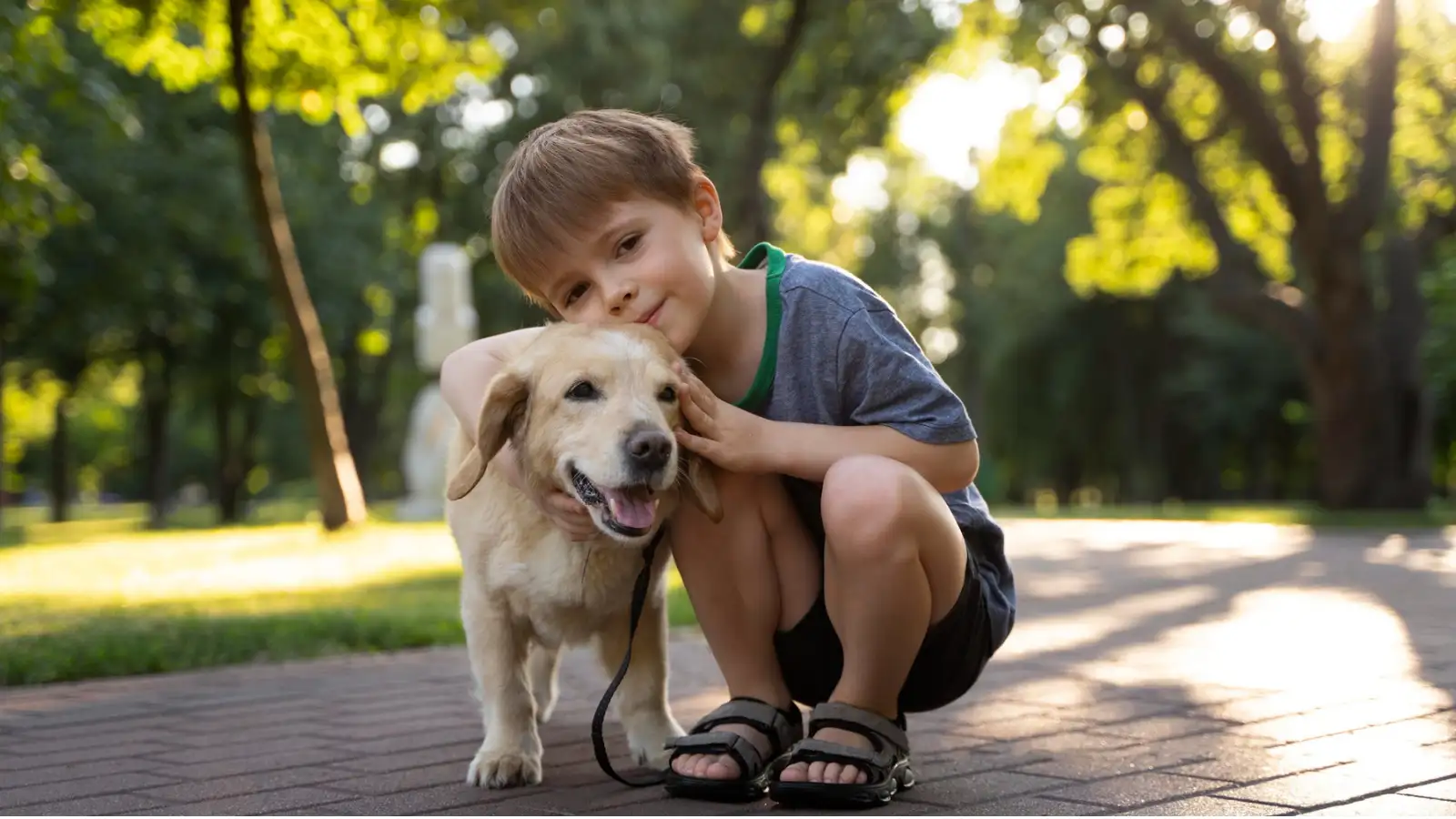
Read More: How Your Dog Greets You And What It Means Emotionally
A dog good with kids is not defined by breed alone but by temperament, training, and environment. With the right approach, many dogs can become loving, loyal companions for children. The key lies in responsible ownership, proper guidance, and mutual respect between child and pet.
1. Temperament Matters More Than Breed
While some breeds are known as the best dogs for children , temperament plays a bigger role than genetics alone. A dog that is naturally calm, tolerant, and friendly is more likely to adapt well to a lively household. Dogs that are easily startled or overly protective may struggle with the unpredictability of children.2. Patience and Tolerance
Children can be noisy, energetic, and sometimes unintentionally rough. A dog safe for kids should show patience and avoid aggressive reactions. This doesn’t mean children can behave however they like teaching kids how to respect animals is just as important as choosing the right pet.Read More: How Your Dog Greets You And What It Means Emotionally
3. Early Socialisation
One of the most important factors in raising a child-friendly dog is early socialisation. Dogs exposed to children, different environments, and everyday household sounds from a young age are more likely to grow into confident and relaxed companions. Socialisation reduces fear-based reactions and helps dogs understand how to behave appropriately.4. Proper Training
Even the most gentle dog needs training. Basic commands such as sit, stay, and leave it can prevent accidents and create a safe environment. A well-trained family dog understands boundaries and responds calmly in different situations. Positive reinforcement methods work best to build trust and good behaviour.5. Energy Levels and Play Style
Not all dogs match the energy of children. Some are naturally playful and enjoy active games, making them ideal companions. Others may prefer a quieter environment. Choosing a dog good with kids also means considering whether the dog’s energy level suits your family’s lifestyle.6. Size and Strength Considerations
While larger dogs can be gentle giants, their size may unintentionally knock over small children. Similarly, very small dogs might feel threatened and react defensively. A balanced choice combined with supervision helps ensure a safer interaction between pets and children.7. Supervision Is Always Key
No matter how well-behaved a dog is, supervision is essential. Even the best family-friendly dog can react unpredictably under stress. Teaching children to approach dogs calmly and respectfully builds a stronger, safer bond.A dog good with kids is not defined by breed alone but by temperament, training, and environment. With the right approach, many dogs can become loving, loyal companions for children. The key lies in responsible ownership, proper guidance, and mutual respect between child and pet.
Next Story