
What Makes Lakshmi Stay? The Answer Will Surprise You


Most people spend their entire lives chasing success. They chase money, promotions, recognition, luxury, and status. Yet even after achieving what they once dreamed of, many still feel restless. The next goal appears. The next desire emerges. The feeling of "not enough" never disappears. Why does this happen? Ancient Hindu wisdom offers a fascinating answer through the relationship between Goddess Lakshmi and Lord Vishnu. It reveals a truth that is as relevant today as it was thousands of years ago: attracting prosperity is easy compared to keeping it. And the secret has very little to do with money itself.
The Nature of Lakshmi
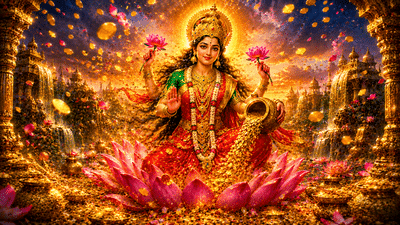
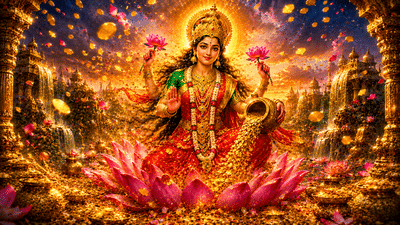
Ancient texts often describe Lakshmi as Chanchala, meaning restless or ever-moving. Wealth, success, and fortune rarely remain fixed forever. Businesses rise and fall. Careers flourish and decline. Fortunes are made and lost. This observation remains true in every generation. Prosperity is dynamic by nature. Many people believe the challenge is attracting wealth, but history repeatedly shows that earning money is only one part of the journey. Keeping it, growing it, and using it wisely is often far more difficult. Lakshmi's moving nature reflects this timeless reality about success and abundance.
Why Success Never Feels Enough
A promotion arrives and happiness follows briefly. Soon another goal appears. A bigger house is purchased, yet satisfaction remains temporary. More money enters life, but anxiety often grows alongside it. This cycle is familiar because desire naturally expands. The mind quickly adjusts to achievements and begins seeking something larger. Many people spend years chasing prosperity without understanding why fulfillment remains out of reach. The problem is not success itself. The problem is expecting external achievements to create permanent inner contentment. Wealth can provide comfort, but it cannot create lasting peace by itself.
What Vishnu Truly RepresentsLord Vishnu symbolizes far more than preservation. He represents discipline, balance, responsibility, patience, and dharma. These qualities create stability in both life and character. Prosperity naturally seeks environments where it can survive and grow. Just as a tree requires strong roots to withstand storms, success requires inner strength to endure challenges. Without discipline, wealth disappears. Without responsibility, opportunities are wasted. Without balance, achievements become burdens. Vishnu represents the qualities that allow prosperity to remain meaningful rather than temporary. This is why Lakshmi is depicted beside him.
The Lesson Hidden in DharmaMany people focus entirely on gaining more while neglecting the qualities needed to sustain what they already have. Dharma teaches alignment with truth, responsibility, and purpose. When actions are guided by these principles, prosperity becomes more stable. This lesson appears repeatedly throughout Hindu traditions. Those who remain aligned with dharma may face temporary setbacks, but they often regain what was lost. Their foundation remains intact. Wealth comes and goes, but character continues. Dharma becomes the invisible structure that allows success to return and flourish over time.
The Pandavas and the Return of ProsperityThe Pandavas lost kingdoms, power, status, comfort, and security. Yet they never abandoned dharma. Even during exile and hardship, they remained committed to righteousness and integrity. Their circumstances changed dramatically, but their values did not. Eventually, prosperity returned to them. This story carries a powerful message. External success can disappear overnight. Titles can be taken away. Wealth can vanish. But when character remains strong, rebuilding becomes possible. The Pandavas remind us that true prosperity begins within. Everything else grows from that foundation.
Becoming Someone Wealth Can TrustMost people ask how to attract success. A better question is whether they are prepared to sustain it. Wealth requires responsibility. Influence requires maturity. Opportunities require discipline. Prosperity often leaves environments where these qualities are missing. Instead of focusing only on acquiring more, focus on becoming more. Develop patience, integrity, self-control, and wisdom. Build the qualities that make success sustainable. When character grows stronger, prosperity has a reason to stay. This shift changes everything. The goal stops being possession and becomes transformation.
The Deeper Meaning of Becoming VishnuThe symbolism of Lakshmi and Vishnu reveals a profound truth. The ultimate goal is not merely attracting wealth but becoming worthy of sustaining it. Becoming Vishnu means cultivating stability amidst uncertainty, discipline amidst temptation, and calmness amidst chaos. When these qualities develop, prosperity becomes a natural outcome rather than an endless pursuit. The person who constantly chases success remains restless. The person who develops inner strength becomes a magnet for lasting abundance. This is why the deeper teaching is not about money. It is about transformation.\
Unlock insightful tips and inspiration on personal growth, productivity, and well-being. Stay motivated and updated with the latest at My Life XP.
Frequently Asked Questions (FAQs)1. Why is Goddess Lakshmi called Chanchala?
Lakshmi is called Chanchala because wealth and prosperity are naturally dynamic and can change over time.
2. Why is Lakshmi always shown with Vishnu
The symbolism suggests that prosperity remains where there is stability, responsibility, discipline, and dharma, qualities represented by Vishnu.
3. What does Vishnu represent in this teaching?
Vishnu represents balance, patience, discipline, protection, wisdom, and righteous living.
4. Why doesn't success always bring happiness?
Because desires often expand after every achievement, creating an endless cycle of wanting more.
5. What is the connection between dharma and prosperity?
Dharma creates a strong foundation that helps individuals sustain and wisely manage success and abundance
The Nature of Lakshmi
Prosperity flows where it is valued and sustained.
Ancient texts often describe Lakshmi as Chanchala, meaning restless or ever-moving. Wealth, success, and fortune rarely remain fixed forever. Businesses rise and fall. Careers flourish and decline. Fortunes are made and lost. This observation remains true in every generation. Prosperity is dynamic by nature. Many people believe the challenge is attracting wealth, but history repeatedly shows that earning money is only one part of the journey. Keeping it, growing it, and using it wisely is often far more difficult. Lakshmi's moving nature reflects this timeless reality about success and abundance.
Why Success Never Feels Enough
A promotion arrives and happiness follows briefly. Soon another goal appears. A bigger house is purchased, yet satisfaction remains temporary. More money enters life, but anxiety often grows alongside it. This cycle is familiar because desire naturally expands. The mind quickly adjusts to achievements and begins seeking something larger. Many people spend years chasing prosperity without understanding why fulfillment remains out of reach. The problem is not success itself. The problem is expecting external achievements to create permanent inner contentment. Wealth can provide comfort, but it cannot create lasting peace by itself.
What Vishnu Truly RepresentsLord Vishnu symbolizes far more than preservation. He represents discipline, balance, responsibility, patience, and dharma. These qualities create stability in both life and character. Prosperity naturally seeks environments where it can survive and grow. Just as a tree requires strong roots to withstand storms, success requires inner strength to endure challenges. Without discipline, wealth disappears. Without responsibility, opportunities are wasted. Without balance, achievements become burdens. Vishnu represents the qualities that allow prosperity to remain meaningful rather than temporary. This is why Lakshmi is depicted beside him.
The Lesson Hidden in DharmaMany people focus entirely on gaining more while neglecting the qualities needed to sustain what they already have. Dharma teaches alignment with truth, responsibility, and purpose. When actions are guided by these principles, prosperity becomes more stable. This lesson appears repeatedly throughout Hindu traditions. Those who remain aligned with dharma may face temporary setbacks, but they often regain what was lost. Their foundation remains intact. Wealth comes and goes, but character continues. Dharma becomes the invisible structure that allows success to return and flourish over time.
The Pandavas and the Return of ProsperityThe Pandavas lost kingdoms, power, status, comfort, and security. Yet they never abandoned dharma. Even during exile and hardship, they remained committed to righteousness and integrity. Their circumstances changed dramatically, but their values did not. Eventually, prosperity returned to them. This story carries a powerful message. External success can disappear overnight. Titles can be taken away. Wealth can vanish. But when character remains strong, rebuilding becomes possible. The Pandavas remind us that true prosperity begins within. Everything else grows from that foundation.
Becoming Someone Wealth Can TrustMost people ask how to attract success. A better question is whether they are prepared to sustain it. Wealth requires responsibility. Influence requires maturity. Opportunities require discipline. Prosperity often leaves environments where these qualities are missing. Instead of focusing only on acquiring more, focus on becoming more. Develop patience, integrity, self-control, and wisdom. Build the qualities that make success sustainable. When character grows stronger, prosperity has a reason to stay. This shift changes everything. The goal stops being possession and becomes transformation.
The Deeper Meaning of Becoming VishnuThe symbolism of Lakshmi and Vishnu reveals a profound truth. The ultimate goal is not merely attracting wealth but becoming worthy of sustaining it. Becoming Vishnu means cultivating stability amidst uncertainty, discipline amidst temptation, and calmness amidst chaos. When these qualities develop, prosperity becomes a natural outcome rather than an endless pursuit. The person who constantly chases success remains restless. The person who develops inner strength becomes a magnet for lasting abundance. This is why the deeper teaching is not about money. It is about transformation.\
Unlock insightful tips and inspiration on personal growth, productivity, and well-being. Stay motivated and updated with the latest at My Life XP.
Frequently Asked Questions (FAQs)1. Why is Goddess Lakshmi called Chanchala?
Lakshmi is called Chanchala because wealth and prosperity are naturally dynamic and can change over time.
2. Why is Lakshmi always shown with Vishnu
3. What does Vishnu represent in this teaching?
Vishnu represents balance, patience, discipline, protection, wisdom, and righteous living.
4. Why doesn't success always bring happiness?
Because desires often expand after every achievement, creating an endless cycle of wanting more.
Dharma creates a strong foundation that helps individuals sustain and wisely manage success and abundance
Next Story