
Why Is Machu Picchu One of the World’s Greatest Wonders?

High in the Andes Mountains of Peru, Machu Picchu stands as one of the most remarkable archaeological sites on Earth. Often called the "Lost City of the Incas," this ancient citadel continues to captivate travelers, historians, and researchers with its breathtaking setting, sophisticated engineering, and enduring mystery. Recognized as one of the New Seven Wonders of the World , Machu Picchu offers a fascinating glimpse into the achievements of the Inca civilization .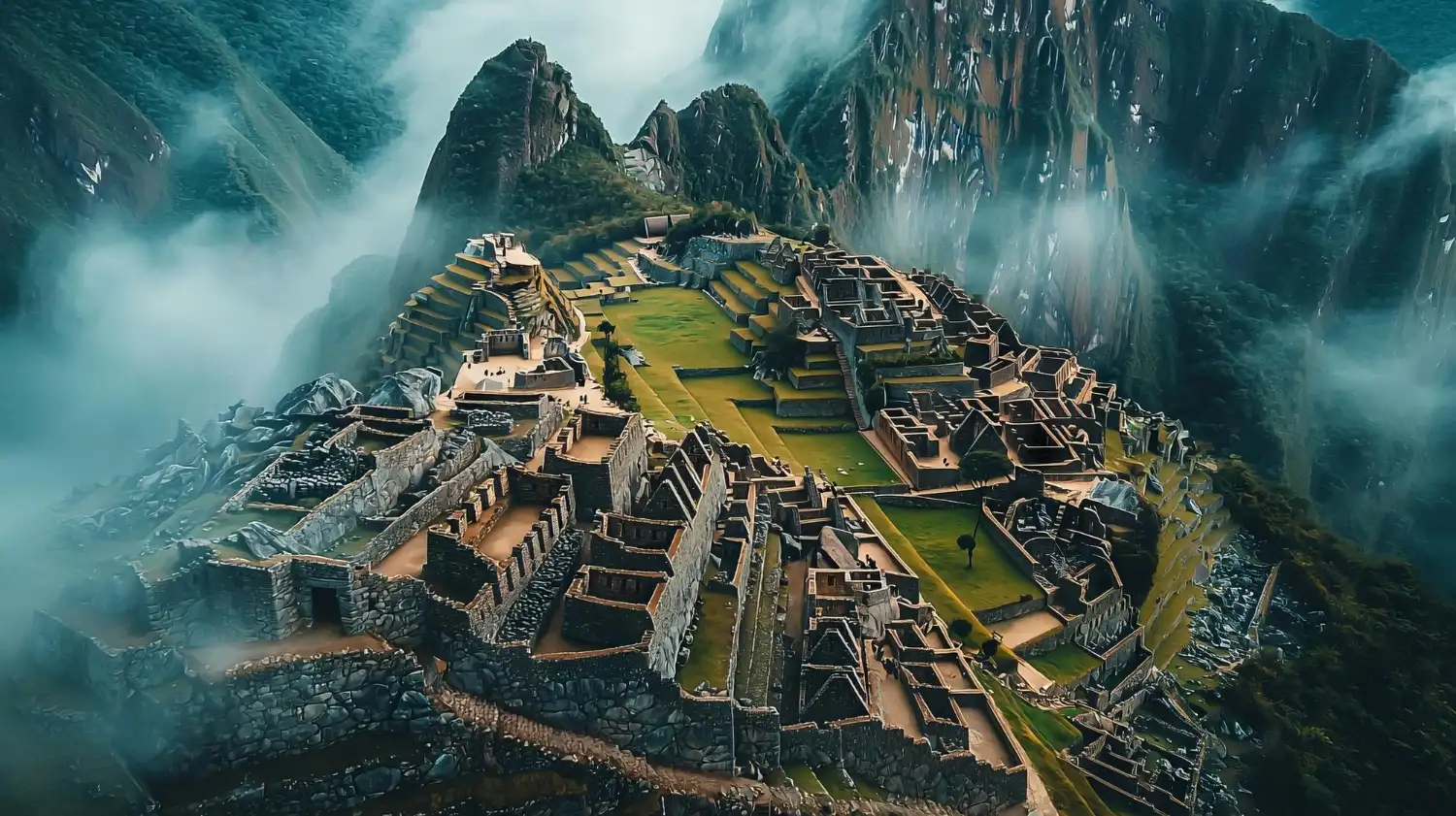
A Masterpiece of Inca Engineering
Built during the 15th century under the rule of Inca emperor Pachacuti, Machu Picchu showcases the exceptional architectural skills of the Incas. Massive stone blocks were carefully cut and fitted together without the use of mortar, creating structures that have withstood centuries of earthquakes and harsh mountain weather.
A Spectacular Mountain Setting
One of the first things visitors notice is the site's dramatic location. Perched at an altitude of about 2,430 meters (7,970 feet) above sea level, Machu Picchu is surrounded by steep peaks, lush green valleys, and cloud forests. The stunning natural scenery enhances the site's sense of wonder and makes it one of the world's most photographed destinations.
A Window Into Inca Civilization
Machu Picchu provides valuable insights into the Inca Empire, which flourished in western South America before the arrival of the Spanish. Archaeologists believe the site may have served as a royal estate, ceremonial center, or a combination of both. Its temples, terraces, plazas, and residential areas reveal the sophistication of Inca society.
Remarkable Agricultural Innovation
The Incas transformed the steep mountainside into a series of agricultural terraces. These terraces helped prevent soil erosion, improved drainage, and created space for cultivating crops. This ingenious farming system demonstrates how the Incas adapted to challenging mountain environments while supporting their communities.
Advanced Water Management
An intricate network of channels and fountains supplied fresh water throughout the settlement. The carefully designed water system reflects the Incas' deep understanding of hydraulics and sustainable resource management. Many of these features continue to function today, centuries after they were built.
The Mystery That Surrounds It
Despite extensive research, many questions about Machu Picchu remain unanswered. Historians continue to debate aspects of its purpose, population, and daily life. This sense of mystery adds to the site's allure and encourages ongoing archaeological study.
Rediscovery and Global Recognition
Although local communities were aware of the site, Machu Picchu gained international attention in 1911 when American historian and explorer Hiram Bingham brought it to the world's notice. Since then, it has become one of the most celebrated archaeological destinations globally.
A UNESCO World Heritage Site
In 1983, Machu Picchu was designated a UNESCO World Heritage Site in recognition of its outstanding cultural and natural significance. The designation highlights both the archaeological importance of the citadel and the biodiversity of the surrounding landscape.
One of the New Seven Wonders of the World
In 2007, Machu Picchu was selected as one of the New Seven Wonders of the World through a global voting initiative. The honor reflects its enduring appeal and its status as a symbol of human creativity, resilience, and ingenuity.
An Experience That Leaves a Lasting Impression
Visitors often describe Machu Picchu as more than just a historical site. The combination of ancient architecture, dramatic landscapes, and cultural significance creates an unforgettable experience. Whether viewed through the lens of history, engineering, or natural beauty, Machu Picchu continues to inspire awe across generations.
Machu Picchu is considered one of the world's greatest wonders because it combines extraordinary engineering, stunning natural surroundings, and deep historical significance. As a testament to the ingenuity of the Inca civilization, it remains a powerful reminder of humanity's ability to create enduring achievements in even the most challenging environments.
A Masterpiece of Inca Engineering
Built during the 15th century under the rule of Inca emperor Pachacuti, Machu Picchu showcases the exceptional architectural skills of the Incas. Massive stone blocks were carefully cut and fitted together without the use of mortar, creating structures that have withstood centuries of earthquakes and harsh mountain weather. A Spectacular Mountain Setting
One of the first things visitors notice is the site's dramatic location. Perched at an altitude of about 2,430 meters (7,970 feet) above sea level, Machu Picchu is surrounded by steep peaks, lush green valleys, and cloud forests. The stunning natural scenery enhances the site's sense of wonder and makes it one of the world's most photographed destinations.A Window Into Inca Civilization
Machu Picchu provides valuable insights into the Inca Empire, which flourished in western South America before the arrival of the Spanish. Archaeologists believe the site may have served as a royal estate, ceremonial center, or a combination of both. Its temples, terraces, plazas, and residential areas reveal the sophistication of Inca society. Remarkable Agricultural Innovation
The Incas transformed the steep mountainside into a series of agricultural terraces. These terraces helped prevent soil erosion, improved drainage, and created space for cultivating crops. This ingenious farming system demonstrates how the Incas adapted to challenging mountain environments while supporting their communities.You may also like
- Can Phone Screens and Stress Affect Hair Health?
- What you keep eating, thinking it's a vegetable, is not a vegetable but a fruit; no food tastes good without it.
- Ink Stains On Clothes: No need to throw away your shirt; these things will remove stubborn ink stains in a jiffy.
- Chocolate Gifts For Girlfriend: These five chocolates are the perfect gift for your girlfriend; your princess will be overjoyed!
- From ajrakh to zardozi: The Indian textiles redefining fashion and décor
Advanced Water Management
An intricate network of channels and fountains supplied fresh water throughout the settlement. The carefully designed water system reflects the Incas' deep understanding of hydraulics and sustainable resource management. Many of these features continue to function today, centuries after they were built. The Mystery That Surrounds It
Despite extensive research, many questions about Machu Picchu remain unanswered. Historians continue to debate aspects of its purpose, population, and daily life. This sense of mystery adds to the site's allure and encourages ongoing archaeological study. Rediscovery and Global Recognition
Although local communities were aware of the site, Machu Picchu gained international attention in 1911 when American historian and explorer Hiram Bingham brought it to the world's notice. Since then, it has become one of the most celebrated archaeological destinations globally. A UNESCO World Heritage Site
In 1983, Machu Picchu was designated a UNESCO World Heritage Site in recognition of its outstanding cultural and natural significance. The designation highlights both the archaeological importance of the citadel and the biodiversity of the surrounding landscape.One of the New Seven Wonders of the World
In 2007, Machu Picchu was selected as one of the New Seven Wonders of the World through a global voting initiative. The honor reflects its enduring appeal and its status as a symbol of human creativity, resilience, and ingenuity. An Experience That Leaves a Lasting Impression
Visitors often describe Machu Picchu as more than just a historical site. The combination of ancient architecture, dramatic landscapes, and cultural significance creates an unforgettable experience. Whether viewed through the lens of history, engineering, or natural beauty, Machu Picchu continues to inspire awe across generations. Machu Picchu is considered one of the world's greatest wonders because it combines extraordinary engineering, stunning natural surroundings, and deep historical significance. As a testament to the ingenuity of the Inca civilization, it remains a powerful reminder of humanity's ability to create enduring achievements in even the most challenging environments.






More from our partners


Loving Newspoint? Download the app now
