
Why Is Machu Picchu One of the World’s Greatest Wonders?

High in the Andes Mountains of Peru, Machu Picchu stands as one of the most remarkable archaeological sites on Earth. Often called the "Lost City of the Incas," this ancient citadel continues to captivate travelers, historians, and researchers with its breathtaking setting, sophisticated engineering, and enduring mystery. Recognized as one of the New Seven Wonders of the World , Machu Picchu offers a fascinating glimpse into the achievements of the Inca civilization .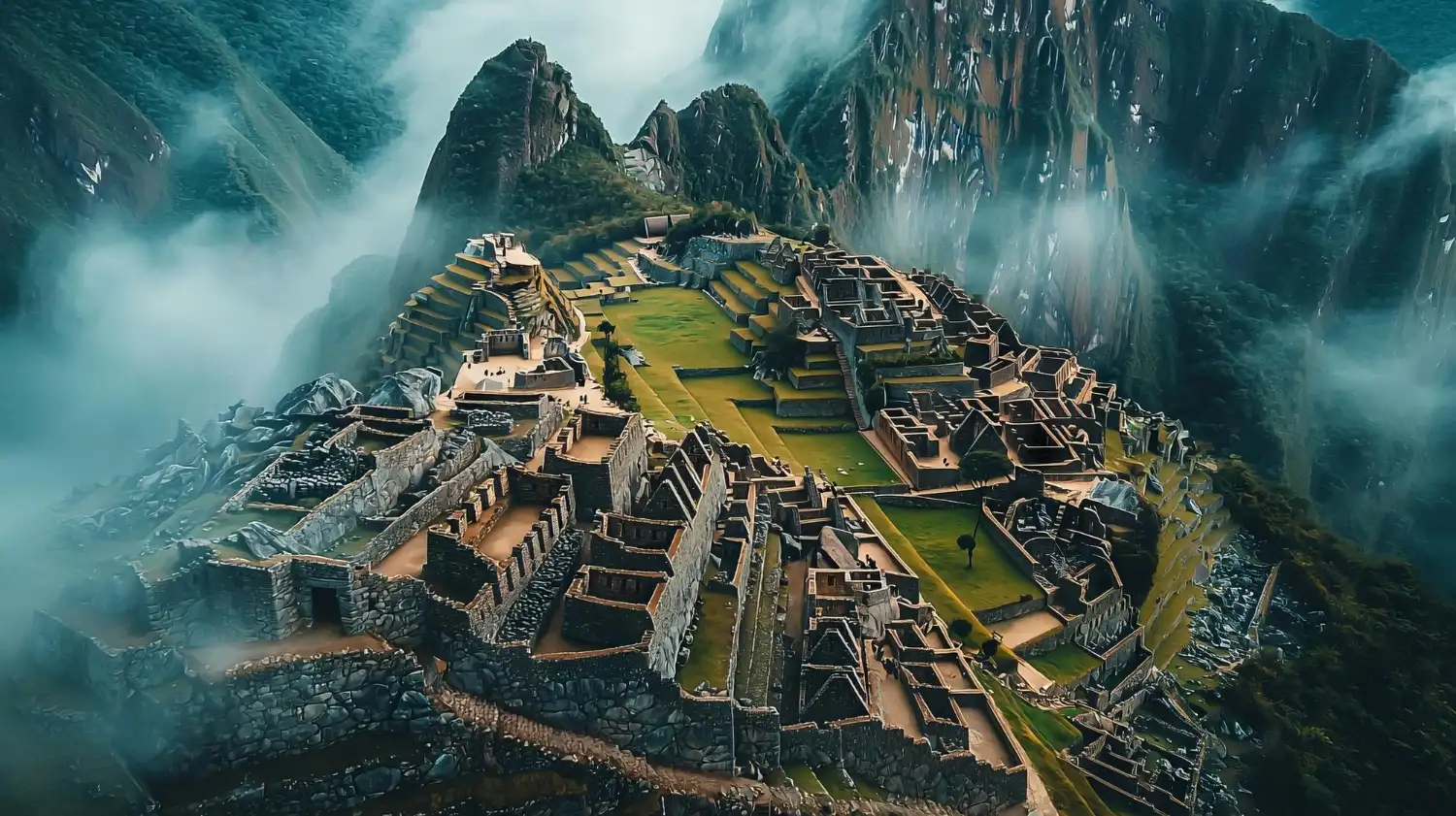
A Masterpiece of Inca Engineering
Built during the 15th century under the rule of Inca emperor Pachacuti, Machu Picchu showcases the exceptional architectural skills of the Incas. Massive stone blocks were carefully cut and fitted together without the use of mortar, creating structures that have withstood centuries of earthquakes and harsh mountain weather.
A Spectacular Mountain Setting
One of the first things visitors notice is the site's dramatic location. Perched at an altitude of about 2,430 meters (7,970 feet) above sea level, Machu Picchu is surrounded by steep peaks, lush green valleys, and cloud forests. The stunning natural scenery enhances the site's sense of wonder and makes it one of the world's most photographed destinations.
A Window Into Inca Civilization
Machu Picchu provides valuable insights into the Inca Empire, which flourished in western South America before the arrival of the Spanish. Archaeologists believe the site may have served as a royal estate, ceremonial center, or a combination of both. Its temples, terraces, plazas, and residential areas reveal the sophistication of Inca society.
Remarkable Agricultural Innovation
The Incas transformed the steep mountainside into a series of agricultural terraces. These terraces helped prevent soil erosion, improved drainage, and created space for cultivating crops. This ingenious farming system demonstrates how the Incas adapted to challenging mountain environments while supporting their communities.
A Masterpiece of Inca Engineering
Built during the 15th century under the rule of Inca emperor Pachacuti, Machu Picchu showcases the exceptional architectural skills of the Incas. Massive stone blocks were carefully cut and fitted together without the use of mortar, creating structures that have withstood centuries of earthquakes and harsh mountain weather. A Spectacular Mountain Setting
One of the first things visitors notice is the site's dramatic location. Perched at an altitude of about 2,430 meters (7,970 feet) above sea level, Machu Picchu is surrounded by steep peaks, lush green valleys, and cloud forests. The stunning natural scenery enhances the site's sense of wonder and makes it one of the world's most photographed destinations.A Window Into Inca Civilization
Machu Picchu provides valuable insights into the Inca Empire, which flourished in western South America before the arrival of the Spanish. Archaeologists believe the site may have served as a royal estate, ceremonial center, or a combination of both. Its temples, terraces, plazas, and residential areas reveal the sophistication of Inca society. Remarkable Agricultural Innovation
The Incas transformed the steep mountainside into a series of agricultural terraces. These terraces helped prevent soil erosion, improved drainage, and created space for cultivating crops. This ingenious farming system demonstrates how the Incas adapted to challenging mountain environments while supporting their communities.Next Story