
What Rahul Gandhi Saw That Triggered the Tsunami Warning


Is India standing on the edge of an economic crisis, or is the country continuing its growth story despite global challenges? That question has suddenly become the center of a heated political battle after Leader of Opposition Rahul Gandhi warned of an approaching "economic tsunami." His remarks sparked strong reactions, but none more direct than Finance Minister Nirmala Sitharaman's response.
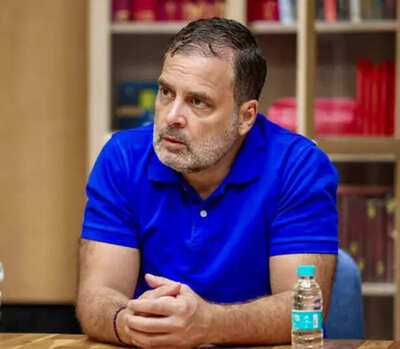 While one side predicts serious economic trouble ahead, the other insists India remains the world's fastest-growing major economy. So what is really happening? And why has this debate become one of the most talked-about political and economic discussions in the country?
A Warning That Grabbed National Attention
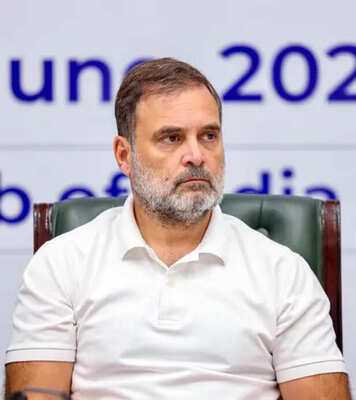
Rahul Gandhi's description of an incoming "economic tsunami" instantly caught public attention. Economic crises affect jobs, savings, businesses, and everyday household budgets, making such warnings difficult to ignore. Gandhi argued that rising prices and growing economic pressures could lead to serious challenges in the future. His remarks resonated with many people already concerned about inflation and the cost of living. The use of the word "tsunami" added urgency and emotion to the debate, transforming what could have been a routine political criticism into a headline-grabbing national conversation.
Nirmala Sitharaman's Strong Counterattack
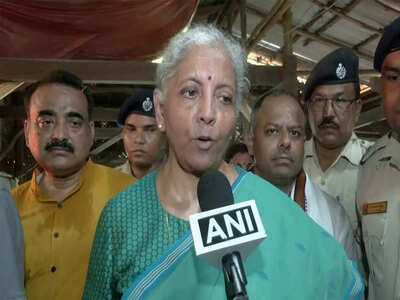
Finance Minister Nirmala Sitharaman strongly rejected the warning, arguing that India's economic performance tells a very different story. She accused the opposition of repeatedly portraying the country as being on the verge of collapse despite evidence of continued growth. According to her, India has consistently maintained its position as one of the fastest-growing major economies in the world. She emphasized that international institutions and economic data support this view. Her response shifted the discussion from political rhetoric to measurable economic indicators, creating a direct clash between perception and performance.
The Global Challenges Nobody Can IgnoreOne reason this debate has gained so much attention is because the global economy remains uncertain. Conflicts in key regions, disruptions to shipping routes, and rising insurance costs for cargo vessels continue to affect international trade. These developments influence fuel prices, transportation costs, and supply chains worldwide. Even countries with strong domestic growth cannot completely escape global economic turbulence. This reality creates a complex situation where both confidence and caution have valid arguments. The question is not whether challenges exist, but how effectively they can be managed moving forward.
The Growth Numbers Supporting the GovernmentSupporters of the government's position point to several economic indicators. Strong GDP growth, infrastructure expansion, digital transformation, and increasing investment are often cited as signs of progress. Government leaders also highlight improvements in poverty reduction, sanitation coverage, welfare programs, and household services. These achievements are presented as evidence that India's economic foundation remains stable. For many observers, these numbers suggest resilience rather than crisis. However, economic statistics often tell only part of the story, which is why the debate continues to attract intense public interest.
Why Ordinary Indians Are Watching CloselyFor most people, economic performance is not measured through reports or speeches. It is measured through monthly expenses, job opportunities, business growth, and financial security. A family paying higher grocery bills may feel economic pressure even during periods of national growth. At the same time, expanding employment opportunities and infrastructure improvements can create optimism about the future. This difference between personal experience and national statistics often explains why economic debates become so emotional. Ultimately, citizens judge economic success by how it affects their everyday lives.
The Battle Between Narrative and RealityEvery major economy experiences disagreements over its future direction. Political leaders frequently interpret the same data in very different ways. One side may focus on risks and warning signs, while the other highlights achievements and progress. This creates competing narratives that influence public opinion. The current debate reflects exactly that dynamic. Rahul Gandhi's warning focuses attention on potential vulnerabilities, while Nirmala Sitharaman emphasizes resilience and growth. Understanding both perspectives allows citizens to evaluate claims more carefully rather than accepting any single narrative without question.
The Bigger Question Facing IndiaBeyond political arguments, the real issue is whether India can continue its growth momentum while managing future risks. Strong economies are not built solely on optimism, nor are they strengthened by fear alone. Success often comes from recognizing challenges early while continuing to invest in long-term development. As global conditions remain uncertain, India's ability to balance growth, stability, and preparedness will be closely watched. The current debate may be political, but the decisions made today could shape the economic opportunities available to millions of Indians tomorrow.
Unlock insightful tips and inspiration on personal growth, productivity, and well-being. Stay motivated and updated with the latest at My Life XP.
Frequently Asked Questions (FAQs)1. Why did Rahul Gandhi warn of an "economic tsunami"?
Rahul Gandhi argued that rising prices and economic pressures could lead to a major economic crisis if current trends continue.
2. How did Nirmala Sitharaman respond?
She rejected the warning and stated that India remains one of the world's fastest-growing major economies.
3. What global challenges are affecting India's economy?
Geopolitical conflicts, shipping disruptions, fuel price volatility, and international trade uncertainties are among the key challenges.
4. Why is this debate important?
The discussion affects public confidence, economic policy debates, and perceptions about India's future growth prospects.
5. Is India currently in an economic crisis?
There is no official indication of an immediate economic crisis, though experts continue to monitor various economic risks and opportunities.
6. What economic achievements has the government highlighted?
The government points to GDP growth, poverty reduction, infrastructure development, sanitation coverage, and welfare initiatives.
A Warning That Grabbed National Attention
A statement that triggered a nationwide debate on India's future.
Rahul Gandhi's description of an incoming "economic tsunami" instantly caught public attention. Economic crises affect jobs, savings, businesses, and everyday household budgets, making such warnings difficult to ignore. Gandhi argued that rising prices and growing economic pressures could lead to serious challenges in the future. His remarks resonated with many people already concerned about inflation and the cost of living. The use of the word "tsunami" added urgency and emotion to the debate, transforming what could have been a routine political criticism into a headline-grabbing national conversation.
Nirmala Sitharaman's Strong Counterattack
"The government rejects claims of an imminent economic crisis.
Finance Minister Nirmala Sitharaman strongly rejected the warning, arguing that India's economic performance tells a very different story. She accused the opposition of repeatedly portraying the country as being on the verge of collapse despite evidence of continued growth. According to her, India has consistently maintained its position as one of the fastest-growing major economies in the world. She emphasized that international institutions and economic data support this view. Her response shifted the discussion from political rhetoric to measurable economic indicators, creating a direct clash between perception and performance.
The Global Challenges Nobody Can IgnoreOne reason this debate has gained so much attention is because the global economy remains uncertain. Conflicts in key regions, disruptions to shipping routes, and rising insurance costs for cargo vessels continue to affect international trade. These developments influence fuel prices, transportation costs, and supply chains worldwide. Even countries with strong domestic growth cannot completely escape global economic turbulence. This reality creates a complex situation where both confidence and caution have valid arguments. The question is not whether challenges exist, but how effectively they can be managed moving forward.
The Growth Numbers Supporting the GovernmentSupporters of the government's position point to several economic indicators. Strong GDP growth, infrastructure expansion, digital transformation, and increasing investment are often cited as signs of progress. Government leaders also highlight improvements in poverty reduction, sanitation coverage, welfare programs, and household services. These achievements are presented as evidence that India's economic foundation remains stable. For many observers, these numbers suggest resilience rather than crisis. However, economic statistics often tell only part of the story, which is why the debate continues to attract intense public interest.
Why Ordinary Indians Are Watching CloselyFor most people, economic performance is not measured through reports or speeches. It is measured through monthly expenses, job opportunities, business growth, and financial security. A family paying higher grocery bills may feel economic pressure even during periods of national growth. At the same time, expanding employment opportunities and infrastructure improvements can create optimism about the future. This difference between personal experience and national statistics often explains why economic debates become so emotional. Ultimately, citizens judge economic success by how it affects their everyday lives.
The Battle Between Narrative and RealityEvery major economy experiences disagreements over its future direction. Political leaders frequently interpret the same data in very different ways. One side may focus on risks and warning signs, while the other highlights achievements and progress. This creates competing narratives that influence public opinion. The current debate reflects exactly that dynamic. Rahul Gandhi's warning focuses attention on potential vulnerabilities, while Nirmala Sitharaman emphasizes resilience and growth. Understanding both perspectives allows citizens to evaluate claims more carefully rather than accepting any single narrative without question.
The Bigger Question Facing IndiaBeyond political arguments, the real issue is whether India can continue its growth momentum while managing future risks. Strong economies are not built solely on optimism, nor are they strengthened by fear alone. Success often comes from recognizing challenges early while continuing to invest in long-term development. As global conditions remain uncertain, India's ability to balance growth, stability, and preparedness will be closely watched. The current debate may be political, but the decisions made today could shape the economic opportunities available to millions of Indians tomorrow.
Unlock insightful tips and inspiration on personal growth, productivity, and well-being. Stay motivated and updated with the latest at My Life XP.
Frequently Asked Questions (FAQs)1. Why did Rahul Gandhi warn of an "economic tsunami"?
Rahul Gandhi argued that rising prices and economic pressures could lead to a major economic crisis if current trends continue.
She rejected the warning and stated that India remains one of the world's fastest-growing major economies.
3. What global challenges are affecting India's economy?
Geopolitical conflicts, shipping disruptions, fuel price volatility, and international trade uncertainties are among the key challenges.
4. Why is this debate important?
5. Is India currently in an economic crisis?
There is no official indication of an immediate economic crisis, though experts continue to monitor various economic risks and opportunities.
6. What economic achievements has the government highlighted?
Next Story