
What To Do If Your Cat Is Always Sneezing And When It May Be Time To Seek Veterinary Advice

A sneeze or two from a cat is usually nothing to worry about. Just like humans, cats may sneeze occasionally when exposed to dust, strong smells or minor irritants. However, when sneezing becomes frequent or persistent, it may indicate an underlying health issue that requires attention. While some causes are relatively minor and temporary, others may involve infections or conditions that benefit from veterinary assessment. Understanding the possible reasons behind repeated sneezing can help owners respond appropriately and ensure their feline companions remain healthy and comfortable. Recognising accompanying symptoms and knowing when to seek professional advice are important parts of responsible cat care.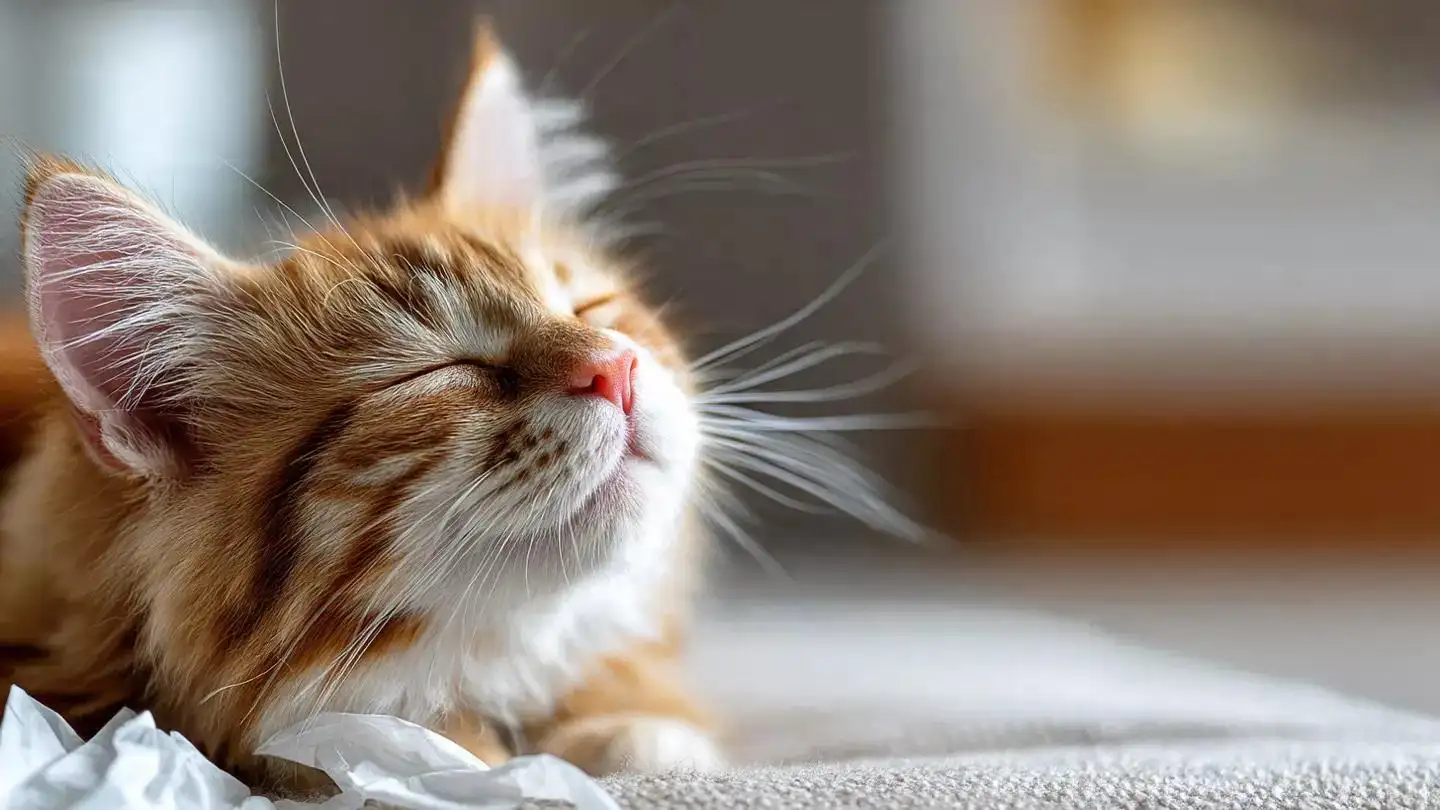
Occasional sneezing is perfectly normal and may occur after exposure to household dust, pollen or strong scents. In many cases, the episode resolves quickly and does not indicate any serious problem.
However, if sneezing becomes frequent, occurs daily or is accompanied by other symptoms, further investigation may be necessary.
Dust, cigarette smoke, air fresheners, scented candles, cleaning products and strong perfumes may irritate a cat's sensitive nasal passages. Cats have a highly developed sense of smell, making them particularly sensitive to airborne substances.
Reducing exposure to strong odours and maintaining a clean living environment can sometimes help decrease sneezing episodes.
Pollen, mould spores, household dust mites and certain environmental allergens may trigger cat allergy symptoms in some animals. Sneezing associated with allergies may occur seasonally or after exposure to specific triggers.
Monitoring when the sneezing occurs can help identify potential environmental factors contributing to the problem.
These infections are often caused by viruses and can spread between cats, particularly in multi-cat households, shelters or breeding environments. In addition to sneezing, affected cats may develop nasal discharge, watery eyes, coughing or reduced appetite.
Many upper respiratory infections are similar to the common cold in humans and can vary in severity. Young kittens, elderly cats and those with weakened immune systems may be more vulnerable to complications.
The roots of certain upper teeth are located close to the nasal cavity. Severe dental infections may spread into nearby tissues and cause nasal irritation or discharge.
Bad breath, difficulty eating, excessive drooling and visible dental problems may accompany sneezing if oral health issues are involved.
Regular dental care plays an important role in maintaining overall cat respiratory health and wellbeing.
Grass blades, plant material or other tiny objects may trigger repeated sneezing as the body attempts to expel the irritant. In some cases, the sneezing may be sudden, intense and accompanied by nasal discomfort.
Persistent symptoms may require veterinary examination to identify and remove the foreign material safely.
Symptoms that deserve attention include:
Maintaining a clean home environment can help reduce dust and airborne irritants. Using unscented cleaning products and avoiding strong fragrances may also be beneficial.
Ensuring good ventilation and keeping litter boxes clean can further reduce potential respiratory irritants. Some cats may be sensitive to heavily scented cat litter products, making unscented alternatives worth considering.
Providing fresh water and encouraging proper hydration may also help support overall respiratory comfort.
A veterinary assessment is advisable if sneezing continues for several days, worsens over time or occurs alongside other concerning symptoms. Early diagnosis can help identify infections, dental disease or other health problems before they become more serious.
Why Cats Sneeze
Sneezing is a natural reflex that helps clear the nasal passages of irritants, mucus and foreign particles.Occasional sneezing is perfectly normal and may occur after exposure to household dust, pollen or strong scents. In many cases, the episode resolves quickly and does not indicate any serious problem.
However, if sneezing becomes frequent, occurs daily or is accompanied by other symptoms, further investigation may be necessary.
Environmental Irritants Can Trigger Sneezing
One of the most common cat sneezing causes is exposure to irritants in the environment.Dust, cigarette smoke, air fresheners, scented candles, cleaning products and strong perfumes may irritate a cat's sensitive nasal passages. Cats have a highly developed sense of smell, making them particularly sensitive to airborne substances.
Reducing exposure to strong odours and maintaining a clean living environment can sometimes help decrease sneezing episodes.
Allergies May Play A Role
Although allergies are generally less common in cats than in humans, they can still contribute to respiratory irritation.Pollen, mould spores, household dust mites and certain environmental allergens may trigger cat allergy symptoms in some animals. Sneezing associated with allergies may occur seasonally or after exposure to specific triggers.
Monitoring when the sneezing occurs can help identify potential environmental factors contributing to the problem.
Upper Respiratory Infections In Cats
A feline upper respiratory infection is one of the most common reasons for persistent sneezing.These infections are often caused by viruses and can spread between cats, particularly in multi-cat households, shelters or breeding environments. In addition to sneezing, affected cats may develop nasal discharge, watery eyes, coughing or reduced appetite.
Many upper respiratory infections are similar to the common cold in humans and can vary in severity. Young kittens, elderly cats and those with weakened immune systems may be more vulnerable to complications.
Dental Problems Can Affect The Nasal Passages
Some cat owners are surprised to learn that dental disease can contribute to sneezing.The roots of certain upper teeth are located close to the nasal cavity. Severe dental infections may spread into nearby tissues and cause nasal irritation or discharge.
Bad breath, difficulty eating, excessive drooling and visible dental problems may accompany sneezing if oral health issues are involved.
Regular dental care plays an important role in maintaining overall cat respiratory health and wellbeing.
Foreign Objects In The Nose
Cats occasionally inhale small particles that become lodged within the nasal passages.Grass blades, plant material or other tiny objects may trigger repeated sneezing as the body attempts to expel the irritant. In some cases, the sneezing may be sudden, intense and accompanied by nasal discomfort.
Persistent symptoms may require veterinary examination to identify and remove the foreign material safely.
Monitoring Additional Symptoms
When assessing frequent sneezing, it is important to look for other signs that may indicate a more serious condition.Symptoms that deserve attention include:
- Thick or coloured nasal discharge
- Eye discharge or redness
- Reduced appetite
- Lethargy
- Breathing difficulties
- Weight loss
- Persistent coughing
Steps Owners Can Take At Home
If a cat is sneezing frequently but otherwise appears healthy, there are several practical measures owners can consider.Maintaining a clean home environment can help reduce dust and airborne irritants. Using unscented cleaning products and avoiding strong fragrances may also be beneficial.
Ensuring good ventilation and keeping litter boxes clean can further reduce potential respiratory irritants. Some cats may be sensitive to heavily scented cat litter products, making unscented alternatives worth considering.
Providing fresh water and encouraging proper hydration may also help support overall respiratory comfort.
When To Contact A Veterinarian
While occasional sneezing is usually harmless, persistent symptoms should not be ignored.A veterinary assessment is advisable if sneezing continues for several days, worsens over time or occurs alongside other concerning symptoms. Early diagnosis can help identify infections, dental disease or other health problems before they become more serious.
Next Story