
What To Do If A Jellyfish Stings You: First Aid Guide

A jellyfish sting can be painful and alarming, especially if it happens while swimming or enjoying a beach holiday. Knowing the correct first aid steps for a jellyfish sting is essential to reduce pain, prevent complications and ensure a quick recovery. Most stings are not life-threatening, but immediate and proper action makes a big difference.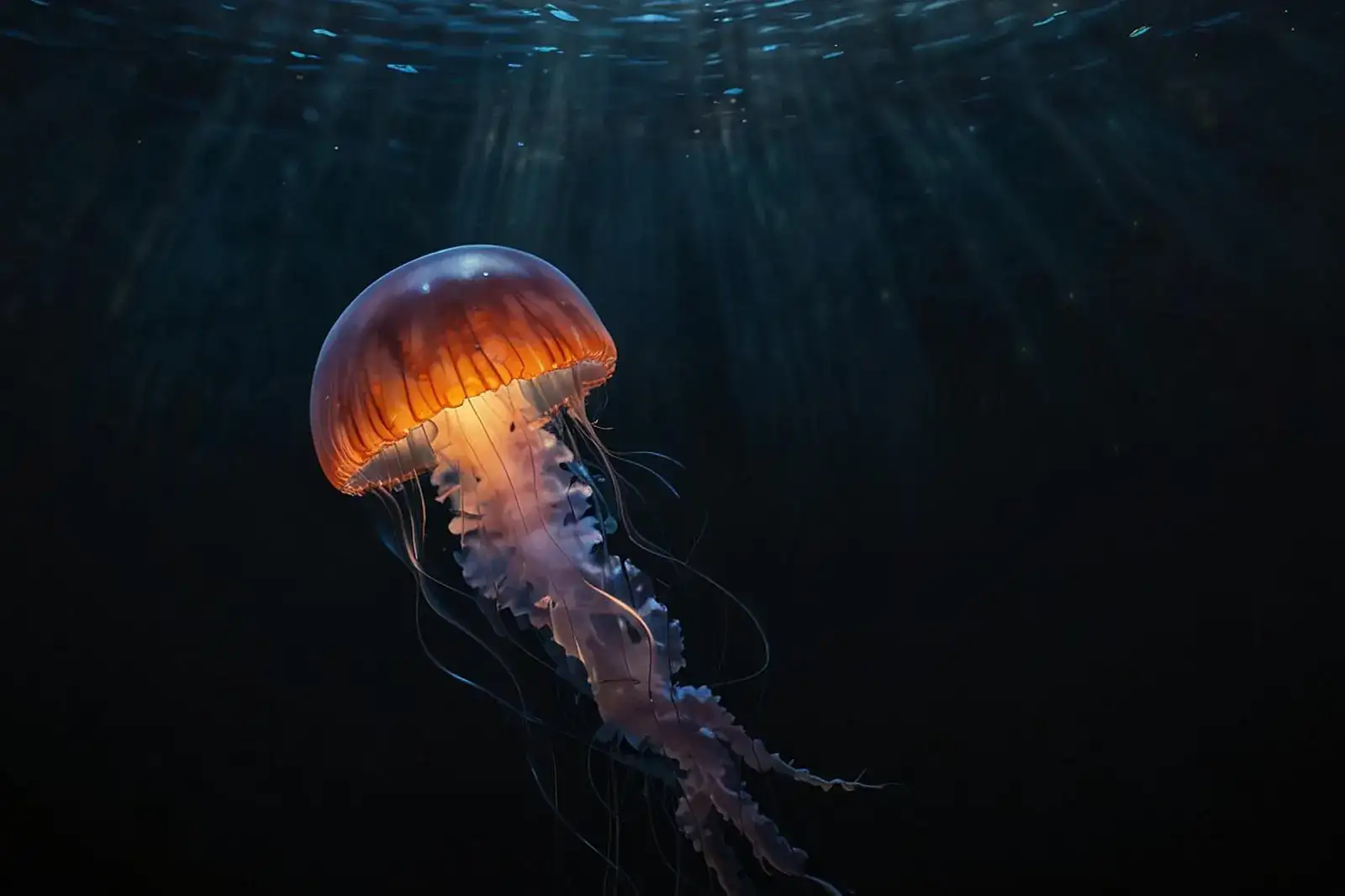
Also Read: No Brain, No Bones, But Highly Dangerous: Inside the World’s 120-Foot Jellyfish
A jellyfish sting can be painful, but quick and correct action is key to recovery. Understanding proper jellyfish sting treatment and avoiding common mistakes ensures better healing and less discomfort. With the right knowledge, you can stay safe and enjoy the ocean with confidence.
Step 1: Get Out of the Water Safely
The first thing to do after a jellyfish sting is to calmly leave the water. Staying in the sea increases the risk of further stings and makes it harder to treat the injury. Move to a safe area on the beach and avoid rubbing the affected skin.Also Read: No Brain, No Bones, But Highly Dangerous: Inside the World’s 120-Foot Jellyfish
Step 2: Remove Tentacles Carefully
If tentacles are stuck to your skin, do not touch them with bare hands. Use a stick, tweezers or a gloved hand to gently remove them. Avoid scraping the skin with sand or towels, as this can worsen the sting and release more venom.Step 3: Rinse with Saltwater, Not Fresh Water
One of the most important jellyfish sting treatment tips is to rinse the area with saltwater. Fresh water can activate remaining stingers and increase pain. Saltwater helps neutralise the affected area and prepares the skin for further treatment.You may also like
- Controlled glamour: Why Cannes 2026 fashion ditched spectacle for restraint
- Why Two Women of the Same Age Get Very Different Freezing Results
- How Much Will Inflation Rise Due to the ₹3 Hike in Petrol and Diesel Prices? Get the Full Breakdown from the SBI Report
- Announcement of ₹3,000 Aid for Women in Bengal: How to Receive the Funds and How to Apply?
- FD Interest Rate: This Public Sector Bank Has Hiked FD Interest Rates; New Rates Effective from Today
Step 4: Apply Heat for Pain Relief
Soaking the sting area in hot water, ideally around 40 to 45 degrees Celsius, can help reduce pain and neutralise toxins. This is a widely recommended first aid jellyfish sting method that provides significant relief within minutes.Step 5: Avoid Common Mistakes
Do not use vinegar unless you are certain of the jellyfish type, as it may worsen some stings. Also avoid alcohol, urine or ammonia, as these are myths and can irritate the skin further.Step 6: Watch for Severe Symptoms
Most jellyfish stings cause redness, burning and mild swelling. However, if you experience difficulty breathing, chest pain, dizziness or severe allergic reactions, seek immediate medical attention. These are signs that require emergency care.Prevention Tips for Future Safety
Wearing protective swimwear and avoiding swimming in areas with visible jellyfish can reduce risk. Checking local beach safety warnings is also a smart habit. Following basic sea safety tips helps prevent marine injuries and ensures a safer swimming experience.A jellyfish sting can be painful, but quick and correct action is key to recovery. Understanding proper jellyfish sting treatment and avoiding common mistakes ensures better healing and less discomfort. With the right knowledge, you can stay safe and enjoy the ocean with confidence.






More from our partners


Loving Newspoint? Download the app now
