
What to Keep in a Household Emergency Kit for Unexpected Disruptions

An emergency kit is useful when prepared before anyone needs it. Power cuts , heavy rain, minor injuries or a disruption to local services can make basic supplies essential. An organised kit helps people find essentials quickly instead of searching through cupboards during a stressful moment or change of plans.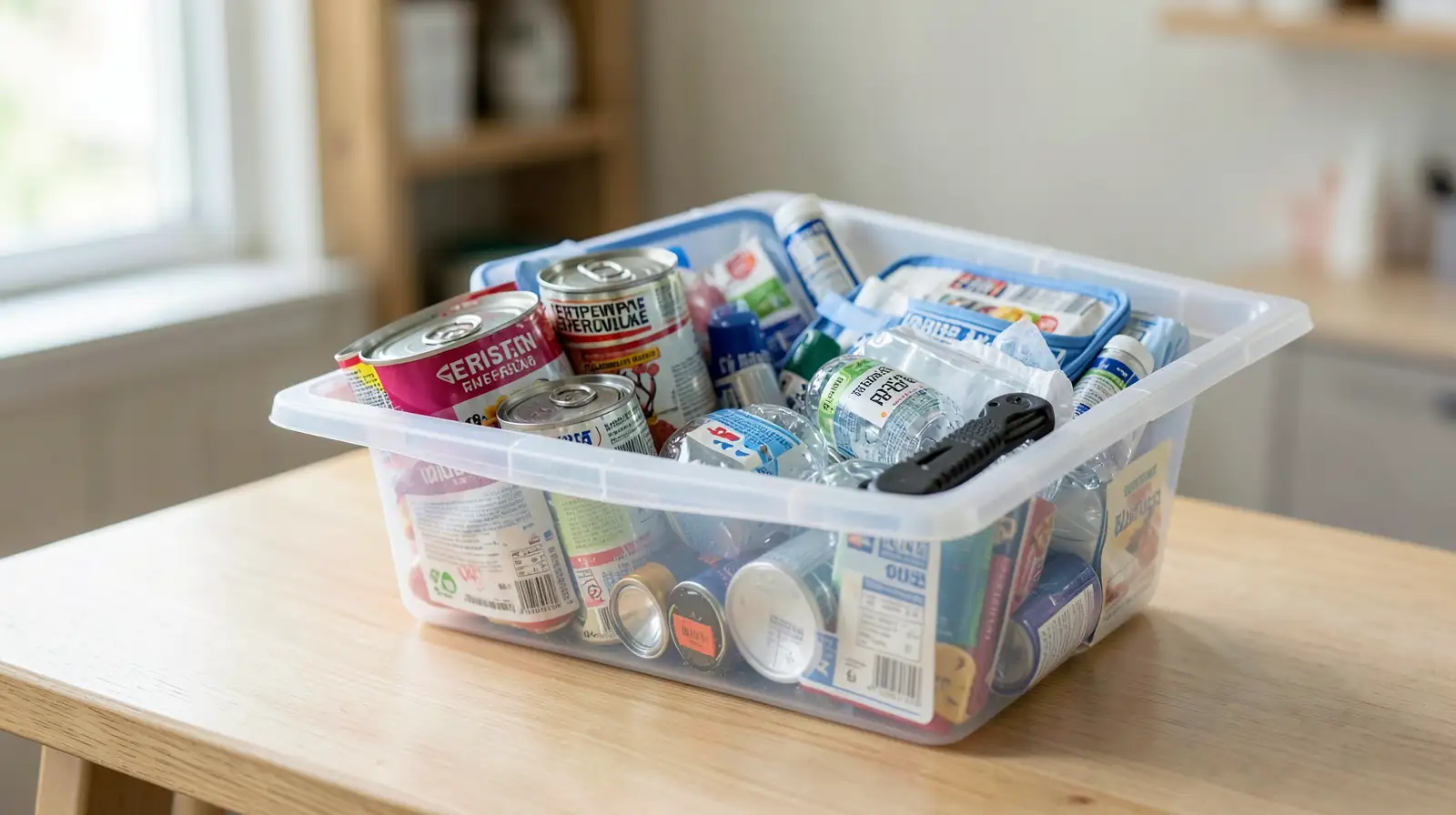
The right contents depend on the household, risks and needs, so no box suits everyone. Start with basics, store them accessibly and review them regularly. The goal is not to predict every emergency, but to make the first hours of an unexpected situation safer and more manageable for everyone at home.
Consider the needs of children, older adults, disabled household members and pets. Keep any required medical equipment or supplies in the plan, and make sure everyone knows where they are stored. If someone in the home relies on refrigerated medicine or powered equipment, ask their healthcare provider how to prepare for a power cut safely.
Write a simple inventory and note expiry dates on food, medicines and other time-sensitive items. Replace anything used, damaged or out of date. A torch should be easy to locate in the dark, so do not bury it beneath heavy supplies.
A home emergency kit is only one part of preparation. Know how to turn off utilities if it is safe and necessary, keep walkways clear and follow local emergency instructions. Tailor supplies to realistic risks rather than buying every product marketed for disasters. A manageable kit, reviewed regularly and understood by the household, is more useful than a large box no one can find or maintain.
The right contents depend on the household, risks and needs, so no box suits everyone. Start with basics, store them accessibly and review them regularly. The goal is not to predict every emergency, but to make the first hours of an unexpected situation safer and more manageable for everyone at home.
Start with essential supplies
Keep drinking water, non-perishable food, a torch, spare batteries or a charged power bank, a basic first-aid kit and essential medicines. Include copies of important contact details and cash if practical. The amount of food and water to store depends on the number of people, local guidance and the kinds of disruption your area may face.You may also like
- Gu to Ru: The Guru Who Turns Darkness Into Light
- Vijayadashami 2026: Be sure to perform these astrological remedies on Dussehra for happiness and prosperity in your life..
- Eating Instant Noodles Too Often? 5 Health Risks You Should Know Before Your Next Meal
- Sneezing Every Morning After Waking Up? Know the Common Causes and 5 Simple Ways to Get Relief
- Dussehra falls on an auspicious day today; learn the auspicious timing for the burning of Ravana's effigy and effective remedies..
Consider the needs of children, older adults, disabled household members and pets. Keep any required medical equipment or supplies in the plan, and make sure everyone knows where they are stored. If someone in the home relies on refrigerated medicine or powered equipment, ask their healthcare provider how to prepare for a power cut safely.
Store the kit sensibly
Use a sturdy box or bag that can be carried if necessary, and keep it in a dry, accessible place known to everyone in the household. Avoid putting it somewhere that could become difficult to reach during flooding or a power failure. Store batteries according to their instructions and keep medicines in the conditions stated on their packaging.Write a simple inventory and note expiry dates on food, medicines and other time-sensitive items. Replace anything used, damaged or out of date. A torch should be easy to locate in the dark, so do not bury it beneath heavy supplies.
Review and practise the plan
Check the kit every six months or when household needs change. Make sure contact numbers are current, devices can be charged and everyone understands how to reach one another if mobile service is disrupted. Choose a meeting point and an out-of-area contact where appropriate, and discuss how to leave home safely if authorities advise evacuation.A home emergency kit is only one part of preparation. Know how to turn off utilities if it is safe and necessary, keep walkways clear and follow local emergency instructions. Tailor supplies to realistic risks rather than buying every product marketed for disasters. A manageable kit, reviewed regularly and understood by the household, is more useful than a large box no one can find or maintain.






Loving Newspoint? Download the app now
