
What to Know Before Taking Your Dog to a Public Park for the First Time

Taking your dog to a public park can be a simple way to add fresh air, movement and new experiences to its daily routine. A walk through green surroundings allows dogs to explore different smells, observe their environment and spend quality time with their owners. However, a busy public park can also present unfamiliar dogs, children, traffic, discarded food and other potential hazards.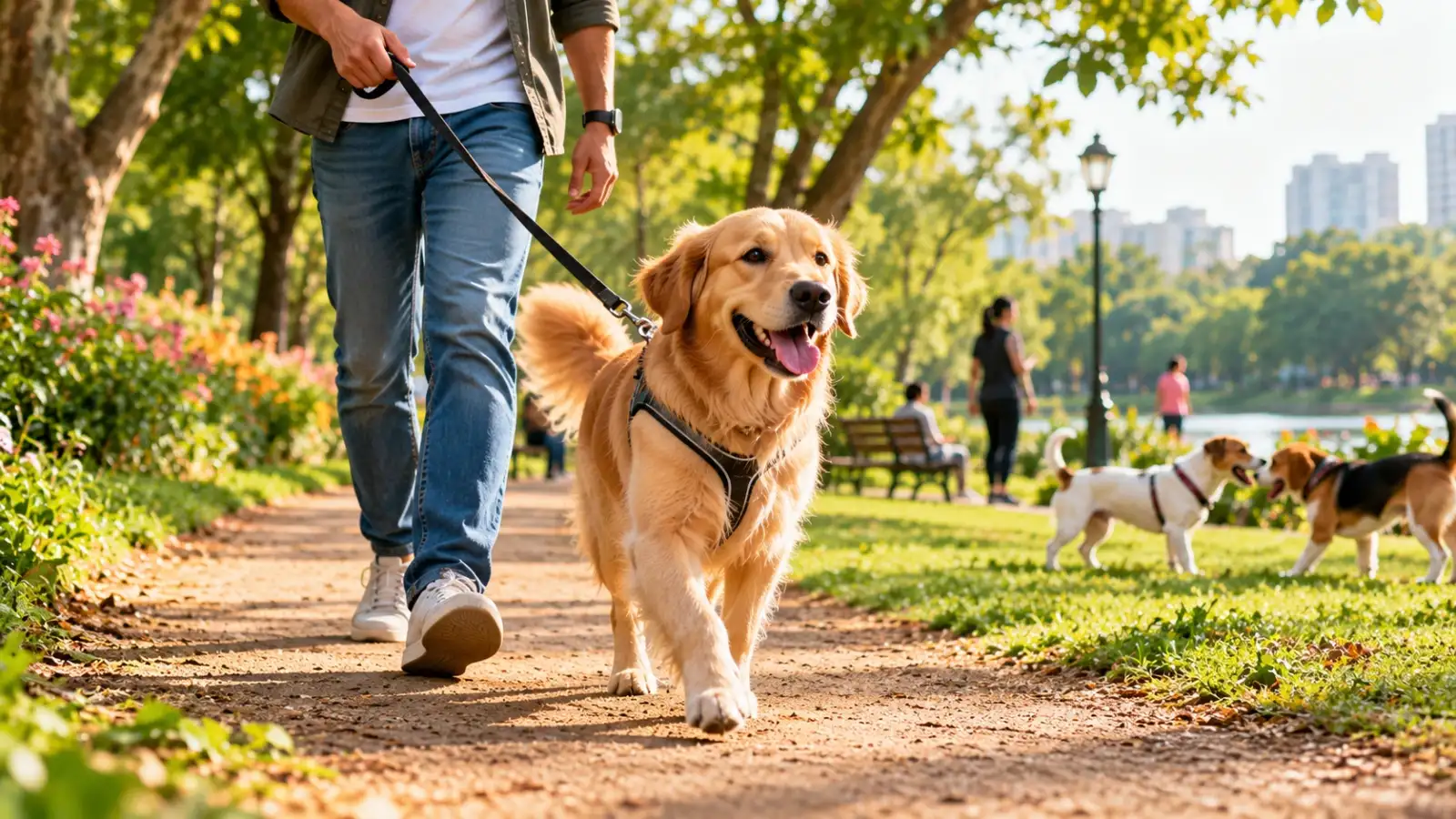
Before planning your first visit, it helps to understand your dog's needs, check the park's rules and prepare a few essentials. A little planning can make the experience more comfortable for your pet while helping other visitors enjoy the space safely.
Check the park's noticeboard or contact the relevant municipal authority if the rules are unclear. In India, regulations can differ between cities, municipal parks and residential society gardens. Do not assume that a dog-friendly rule at one park applies everywhere.
Also look for restrictions concerning entrances, play areas, wildlife zones and waste disposal. Following the local rules helps prevent unnecessary conflicts and ensures that your visit does not disturb other park users.
Puppies that have not completed their initial vaccination schedule may be more vulnerable to infections. Ask your veterinarian when it is appropriate to introduce your puppy to public spaces where unfamiliar dogs have been.
Avoid taking your dog to the park if it is unwell, has unexplained diarrhoea or is showing signs such as persistent coughing or unusual lethargy. A veterinarian can advise when it is safe to resume outdoor activities.
Use a comfortable, well-fitted collar or harness and a lead that allows you to maintain control without restricting normal movement unnecessarily. Keep your dog close when passing other visitors, and never assume that another dog wants to interact.
Only allow off-lead activity in areas where it is explicitly permitted. Even there, your dog should respond reliably to recall commands and remain under your supervision.
Carry these items:
Allow your dog to sniff and observe at a comfortable pace. Reward calm behaviour and give it space if it appears nervous. Avoid forcing interactions with unfamiliar dogs simply because they are nearby.
For the first visit, choose a quieter time and keep the outing relatively short. You can gradually extend the duration as your dog becomes more comfortable.
Remember that socialisation does not mean every dog must play with other dogs. Calmly sharing a public space without direct interaction can also be a positive experience.
A dog that becomes unusually stiff, growls repeatedly or tries to escape may need more distance from the situation. Do not punish warning signals such as growling. Instead, calmly create space and remove your dog from the source of stress.
If play with another dog becomes one-sided, involves relentless chasing or leaves one animal unable to disengage, intervene safely. Never assume that loud or energetic behaviour means both dogs are enjoying themselves.
Keep your dog close when children pass, and ask permission before allowing anyone to pet it. Never leave a child unsupervised with a dog, even if the animal is familiar and usually gentle.
Avoid allowing your dog to jump on people, chase cyclists or interfere with picnics. If your dog becomes overly excited, move to a quieter area until it settles.
Responsible handling helps build trust between pet owners and other park visitors.
Chocolate, grapes, raisins, onions and products containing xylitol can be toxic to dogs. Discourage scavenging, and contact a veterinarian promptly if you suspect your dog has swallowed something harmful.
During warm weather, avoid prolonged walks on hot surfaces and provide regular access to water. In areas with long grass or dense vegetation, check your dog's coat, paws and ears for ticks after the visit.
If local air pollution is high or weather conditions are extreme, consider shortening the outing or choosing a safer indoor alternative.
Carry enough waste bags for the entire visit and dispose of used bags in an appropriate bin. If there is no suitable bin, take the sealed bag with you until you find one.
Also avoid allowing your dog to damage flowerbeds, dig up planted areas or disturb wildlife. These small actions help keep public spaces clean and welcoming for everyone.
Watch for excessive panting, repeated attempts to lie down, slowing movement, persistent avoidance of other dogs or an inability to settle. Provide water and rest when needed, and leave if your dog seems uncomfortable.
If an encounter becomes tense, do not wait for it to escalate. Move away calmly and choose another route. For dogs that are fearful or reactive around unfamiliar animals, a quiet walking route or individual training session may be more suitable than a crowded dog park.
Most importantly, pay attention to your dog's behaviour rather than expecting it to enjoy every part of the experience. Some dogs love meeting other animals, while others prefer a peaceful walk beside their owner. Both preferences are normal.
With patience and responsible handling, public parks can become a useful part of your dog's routine, offering opportunities for movement, exploration and time together.
Before planning your first visit, it helps to understand your dog's needs, check the park's rules and prepare a few essentials. A little planning can make the experience more comfortable for your pet while helping other visitors enjoy the space safely.
1. Check the Park's Rules Before Visiting
Not every public park allows dogs, and some have specific conditions for pets. Certain parks require dogs to remain on a lead, while others may have designated areas or timings for dog walking.Check the park's noticeboard or contact the relevant municipal authority if the rules are unclear. In India, regulations can differ between cities, municipal parks and residential society gardens. Do not assume that a dog-friendly rule at one park applies everywhere.
Also look for restrictions concerning entrances, play areas, wildlife zones and waste disposal. Following the local rules helps prevent unnecessary conflicts and ensures that your visit does not disturb other park users.
2. Make Sure Your Dog Is Healthy and Vaccinated
Public parks bring dogs into contact with shared ground, plants, other animals and potentially contaminated surfaces. Before regular visits, speak to your veterinarian about the vaccinations and parasite prevention appropriate for your dog's age, health and local environment.Puppies that have not completed their initial vaccination schedule may be more vulnerable to infections. Ask your veterinarian when it is appropriate to introduce your puppy to public spaces where unfamiliar dogs have been.
Avoid taking your dog to the park if it is unwell, has unexplained diarrhoea or is showing signs such as persistent coughing or unusual lethargy. A veterinarian can advise when it is safe to resume outdoor activities.
3. Keep Your Dog on a Lead Where Required
A lead gives you greater control when your dog encounters other animals, cyclists, joggers or children. Even a friendly dog can become distracted by a squirrel, sudden noise or unfamiliar animal.Use a comfortable, well-fitted collar or harness and a lead that allows you to maintain control without restricting normal movement unnecessarily. Keep your dog close when passing other visitors, and never assume that another dog wants to interact.
Only allow off-lead activity in areas where it is explicitly permitted. Even there, your dog should respond reliably to recall commands and remain under your supervision.
4. Pack the Essentials for a Comfortable Visit
A few basic supplies can make a park visit easier, particularly if you plan to stay for more than a short walk.Carry these items:
- A lead and a well-fitted collar or harness.
- Fresh drinking water and a portable bowl.
- Waste bags for collecting your dog's droppings.
- Identification details on your dog's collar.
- A small towel if the ground is wet or muddy.
- Treats for rewarding calm behaviour, provided they do not attract unwanted attention from other dogs.
5. Introduce Your Dog to the Environment Gradually
A crowded park can be overwhelming for a dog that has rarely encountered unfamiliar people, dogs or outdoor noises. Instead of immediately entering a busy area, begin with a quiet walk around the park's perimeter.Allow your dog to sniff and observe at a comfortable pace. Reward calm behaviour and give it space if it appears nervous. Avoid forcing interactions with unfamiliar dogs simply because they are nearby.
For the first visit, choose a quieter time and keep the outing relatively short. You can gradually extend the duration as your dog becomes more comfortable.
Remember that socialisation does not mean every dog must play with other dogs. Calmly sharing a public space without direct interaction can also be a positive experience.
6. Learn to Recognise Signs of Stress
Dogs communicate discomfort through body language, and their signals are not always obvious. Turning away, repeatedly licking the lips, yawning outside a normal resting context, tucking the tail, crouching or attempting to hide may indicate unease.A dog that becomes unusually stiff, growls repeatedly or tries to escape may need more distance from the situation. Do not punish warning signals such as growling. Instead, calmly create space and remove your dog from the source of stress.
If play with another dog becomes one-sided, involves relentless chasing or leaves one animal unable to disengage, intervene safely. Never assume that loud or energetic behaviour means both dogs are enjoying themselves.
7. Be Careful Around Children and Other Visitors
Public parks are shared spaces. Some visitors may be afraid of dogs, while young children may approach without understanding how to interact safely.Keep your dog close when children pass, and ask permission before allowing anyone to pet it. Never leave a child unsupervised with a dog, even if the animal is familiar and usually gentle.
Avoid allowing your dog to jump on people, chase cyclists or interfere with picnics. If your dog becomes overly excited, move to a quieter area until it settles.
Responsible handling helps build trust between pet owners and other park visitors.
8. Watch Out for Food, Plants and Other Hazards
Public parks may contain discarded food, litter, broken glass, sharp sticks and plants that can irritate or harm animals. Keep an eye on what your dog sniffs, licks or attempts to eat.Chocolate, grapes, raisins, onions and products containing xylitol can be toxic to dogs. Discourage scavenging, and contact a veterinarian promptly if you suspect your dog has swallowed something harmful.
During warm weather, avoid prolonged walks on hot surfaces and provide regular access to water. In areas with long grass or dense vegetation, check your dog's coat, paws and ears for ticks after the visit.
If local air pollution is high or weather conditions are extreme, consider shortening the outing or choosing a safer indoor alternative.
You may also like
- You can check the prices yourself on the app before purchasing medicines; if you are overcharged, file a complaint immediately..
- Keep these 5 things in mind before buying a car on a loan this Diwali..
- SBI's special 444-day FD: How much interest will you earn on a deposit of ₹2 lakh?
- Signs of Dehydration in Babies: Warning Signs to Know
- Does Praising Every Little Thing Help Children Build Confidence?
9. Always Clean Up After Your Dog
Collecting dog waste is a basic responsibility of pet ownership. Leaving it on grass, footpaths or near playgrounds creates an unpleasant environment and can expose people and animals to harmful organisms.Carry enough waste bags for the entire visit and dispose of used bags in an appropriate bin. If there is no suitable bin, take the sealed bag with you until you find one.
Also avoid allowing your dog to damage flowerbeds, dig up planted areas or disturb wildlife. These small actions help keep public spaces clean and welcoming for everyone.
10. Know When It Is Time to Leave
A successful park visit does not need to last an hour. Some dogs enjoy extended walks, while others become tired or overstimulated after a short period.Watch for excessive panting, repeated attempts to lie down, slowing movement, persistent avoidance of other dogs or an inability to settle. Provide water and rest when needed, and leave if your dog seems uncomfortable.
If an encounter becomes tense, do not wait for it to escalate. Move away calmly and choose another route. For dogs that are fearful or reactive around unfamiliar animals, a quiet walking route or individual training session may be more suitable than a crowded dog park.
How to Make Your Dog's First Park Visit a Positive Experience
A good first visit begins with preparation, not simply opening the park gate. Check local rules, ensure your dog is fit for the outing, carry essential supplies and choose a quiet time. Keep your pet under control, respect other visitors and allow it to explore at its own pace.Most importantly, pay attention to your dog's behaviour rather than expecting it to enjoy every part of the experience. Some dogs love meeting other animals, while others prefer a peaceful walk beside their owner. Both preferences are normal.
With patience and responsible handling, public parks can become a useful part of your dog's routine, offering opportunities for movement, exploration and time together.






Loving Newspoint? Download the app now
