
Why Some Travellers Always Pick the Window Seat, According to Psychology

The moment a train, bus or aeroplane ticket is booked, one decision can feel surprisingly important: choosing the seat. While some travellers prefer the aisle for easy movement, others will happily pay extra for a place beside the window. For them, the journey is not simply about reaching a destination. It is also about watching clouds drift past, spotting unfamiliar landscapes and enjoying a little space away from the movement around them.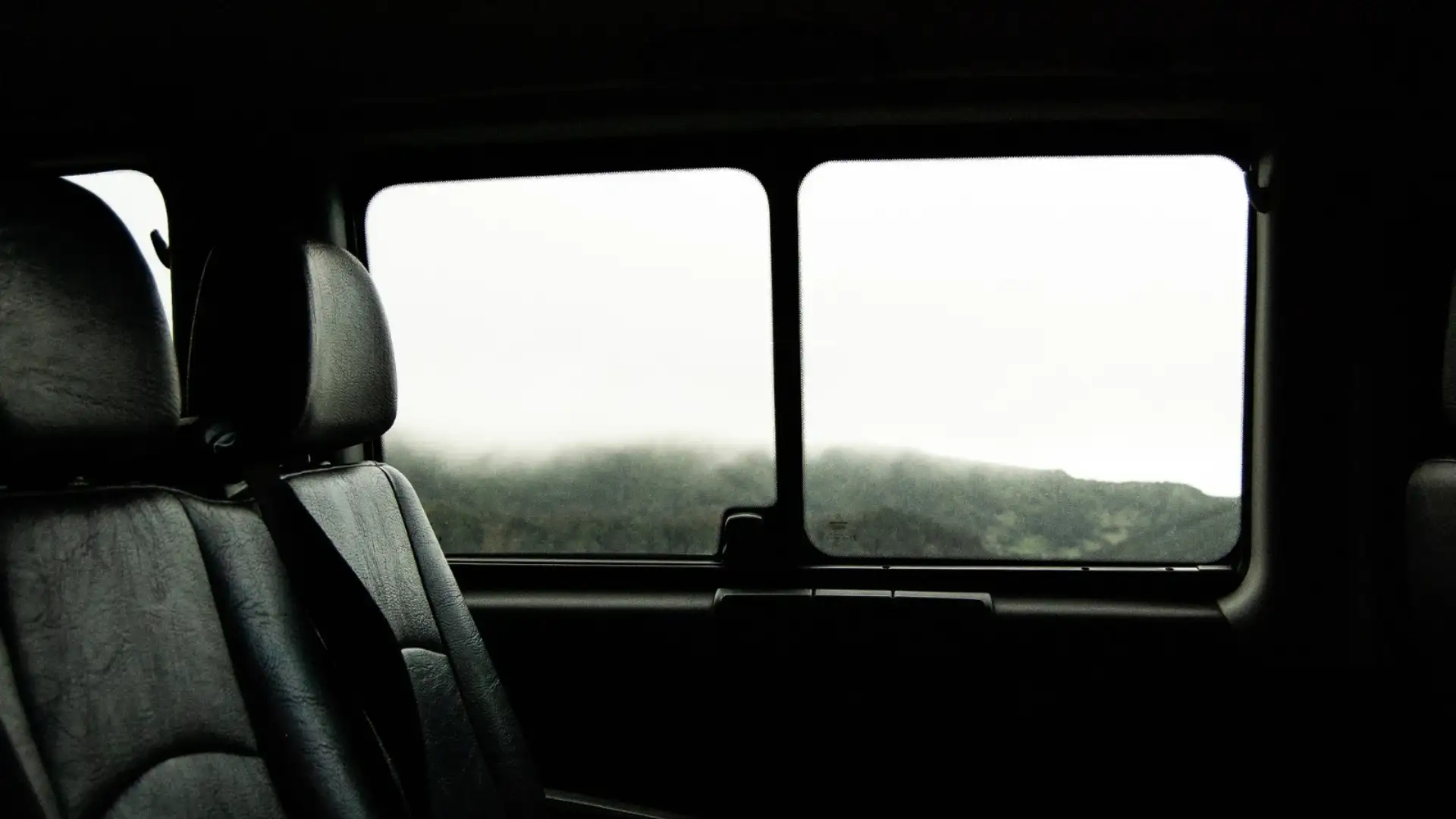
This preference may have several explanations. Environmental comfort, the desire for personal space, an interest in scenery and the ability to control small aspects of one's surroundings can all influence how people experience travel. However, preferring a window seat does not automatically indicate a particular personality type. It may simply reflect what makes a journey more enjoyable for an individual.
This can make it easier to settle in, lean against the side of the vehicle, read a book or listen to music without feeling as exposed to the movement around you. On crowded journeys, even a small sense of separation can make the experience feel more comfortable.
Environmental psychology examines how people respond to factors such as privacy, crowding and control over their surroundings. Research on seating preferences has also found that privacy and perceived control can influence where people choose to sit.
However, this does not necessarily mean that window-seat enthusiasts dislike social interaction. They may simply find a more defined space comfortable, particularly during long journeys when they want to rest or spend time alone.
Unlike scrolling through a phone or watching a video, observing the landscape can be a relatively undemanding activity. Travellers can pay attention when something catches their eye and look away whenever they wish.
Research into environmental psychology suggests that certain natural settings can support psychological restoration and help people recover from mental fatigue. Natural views, in particular, have been associated with improvements in mood and, in some studies, attention.
A passing landscape is not equivalent to spending time in nature, so the benefits should not be assumed to be identical. Nevertheless, the appeal of watching a river wind through a valley, clouds change shape or sunlight fall across a field may help explain why some people find window-seat journeys particularly enjoyable.
Choosing a window seat offers a small but meaningful decision before the journey begins. Once seated, passengers can lean against the wall, adjust the window blind where available and establish a comfortable routine.
This sense of control does not change the journey itself, but it can influence how someone experiences the environment. Research on seating and environmental preferences suggests that people's choices can be shaped by how much control, privacy and comfort a setting offers.
For some travellers, therefore, booking the window seat is not simply about securing a good view. It is also about creating familiar surroundings in an otherwise unpredictable environment.
A window seat can make these activities feel more natural by providing a visual focus outside the vehicle. Looking out of the window offers something to observe without demanding constant attention.
This can be particularly appealing during long-distance journeys, when travellers may want a break from screens, notifications and everyday responsibilities. The journey becomes an opportunity to slow down rather than simply a stretch of time to get through.
That said, people have different ways of enjoying their own company. Some prefer chatting with fellow passengers, while others find comfort in quiet observation. Neither preference is inherently better, and a window seat alone cannot establish whether someone is introverted or extroverted.
An Indian train journey, for example, may offer views of railway stations, rural settlements, fields and bustling platforms. A road trip through the hills can reveal winding roads, forests and villages that would otherwise remain unseen.
These small observations can create lasting memories and make an ordinary journey feel distinctive. They also encourage travellers to pay attention to details they might miss when focused entirely on their destination.
The window seat provides a front-row view of these passing moments. For travellers who enjoy observing their surroundings, this can make the journey feel like an experience in its own right rather than merely a means of getting somewhere.
However, these interpretations should be treated cautiously. A seating preference cannot reliably establish a person's personality, emotional needs or social behaviour.
One traveller may choose the window because they enjoy photography. Another may want somewhere to rest their head. Someone else might simply prefer not having to move every time another passenger needs to leave their seat.
The same person may also choose differently depending on the journey. They might prefer a window on a scenic train route but an aisle seat on a short flight when easy access to the toilet matters more.
Psychology can help explain how people respond to their environments, but it cannot turn every ordinary choice into a definitive personality assessment.
If you enjoy scenery, choose a window seat on routes known for their landscapes. If you value uninterrupted rest, consider whether you can comfortably lean against the side and whether the journey coincides with your usual sleeping hours. If you need frequent access to the toilet or prefer moving around, an aisle seat may be more practical.
There is no single seating preference that guarantees a better travel experience. The aim is to understand what matters most to you, whether that is privacy, convenience, scenery or comfort.
Ultimately, the next time you pay extra to secure a window seat, you do not need to find a deeper psychological explanation for your choice. Perhaps you want to watch the sunrise above the clouds, follow a river through the countryside or simply rest your head against the wall and enjoy a quiet journey.
Sometimes, a good view is reason enough.
This preference may have several explanations. Environmental comfort, the desire for personal space, an interest in scenery and the ability to control small aspects of one's surroundings can all influence how people experience travel. However, preferring a window seat does not automatically indicate a particular personality type. It may simply reflect what makes a journey more enjoyable for an individual.
1. The Comfort of Having a Little Space of Your Own
One reason travellers may prefer a window seat is the feeling of having a defined personal space. Unlike an aisle seat, where people frequently pass by, a window seat has a wall on one side, creating a more enclosed seating arrangement.This can make it easier to settle in, lean against the side of the vehicle, read a book or listen to music without feeling as exposed to the movement around you. On crowded journeys, even a small sense of separation can make the experience feel more comfortable.
Environmental psychology examines how people respond to factors such as privacy, crowding and control over their surroundings. Research on seating preferences has also found that privacy and perceived control can influence where people choose to sit.
However, this does not necessarily mean that window-seat enthusiasts dislike social interaction. They may simply find a more defined space comfortable, particularly during long journeys when they want to rest or spend time alone.
2. Why Watching the World Go By Feels So Satisfying
For many travellers, the biggest attraction is the view. From clouds floating above the mountains to fields passing outside a train, a window offers a constantly changing picture without requiring any effort from the person watching it.Unlike scrolling through a phone or watching a video, observing the landscape can be a relatively undemanding activity. Travellers can pay attention when something catches their eye and look away whenever they wish.
Research into environmental psychology suggests that certain natural settings can support psychological restoration and help people recover from mental fatigue. Natural views, in particular, have been associated with improvements in mood and, in some studies, attention.
A passing landscape is not equivalent to spending time in nature, so the benefits should not be assumed to be identical. Nevertheless, the appeal of watching a river wind through a valley, clouds change shape or sunlight fall across a field may help explain why some people find window-seat journeys particularly enjoyable.
3. A Small Sense of Control During a Long Journey
Travelling often means surrendering control over several things. Passengers cannot decide when a flight will land, how quickly traffic will move or who will occupy the neighbouring seat.Choosing a window seat offers a small but meaningful decision before the journey begins. Once seated, passengers can lean against the wall, adjust the window blind where available and establish a comfortable routine.
This sense of control does not change the journey itself, but it can influence how someone experiences the environment. Research on seating and environmental preferences suggests that people's choices can be shaped by how much control, privacy and comfort a setting offers.
For some travellers, therefore, booking the window seat is not simply about securing a good view. It is also about creating familiar surroundings in an otherwise unpredictable environment.
4. Turning Travel Time Into Personal Time
Not every journey needs to be filled with conversation, entertainment or activity. Some travellers enjoy having uninterrupted time to think, listen to music, read or simply watch the scenery.A window seat can make these activities feel more natural by providing a visual focus outside the vehicle. Looking out of the window offers something to observe without demanding constant attention.
This can be particularly appealing during long-distance journeys, when travellers may want a break from screens, notifications and everyday responsibilities. The journey becomes an opportunity to slow down rather than simply a stretch of time to get through.
That said, people have different ways of enjoying their own company. Some prefer chatting with fellow passengers, while others find comfort in quiet observation. Neither preference is inherently better, and a window seat alone cannot establish whether someone is introverted or extroverted.
5. When the Journey Becomes Part of the Experience
For some people, reaching the destination is only one part of travelling. The route itself can be memorable, especially when it passes through unfamiliar landscapes, small towns or changing natural surroundings.An Indian train journey, for example, may offer views of railway stations, rural settlements, fields and bustling platforms. A road trip through the hills can reveal winding roads, forests and villages that would otherwise remain unseen.
These small observations can create lasting memories and make an ordinary journey feel distinctive. They also encourage travellers to pay attention to details they might miss when focused entirely on their destination.
The window seat provides a front-row view of these passing moments. For travellers who enjoy observing their surroundings, this can make the journey feel like an experience in its own right rather than merely a means of getting somewhere.
6. Does Choosing the Window Seat Reveal Your Personality?
It is tempting to interpret everyday preferences as clues to personality. Someone who chooses a window seat might be described as thoughtful, independent, observant or someone who enjoys solitude.However, these interpretations should be treated cautiously. A seating preference cannot reliably establish a person's personality, emotional needs or social behaviour.
One traveller may choose the window because they enjoy photography. Another may want somewhere to rest their head. Someone else might simply prefer not having to move every time another passenger needs to leave their seat.
The same person may also choose differently depending on the journey. They might prefer a window on a scenic train route but an aisle seat on a short flight when easy access to the toilet matters more.
Psychology can help explain how people respond to their environments, but it cannot turn every ordinary choice into a definitive personality assessment.
How to Make the Most of Your Preferred Seat
Whether you prefer the window or the aisle, the best choice depends on what makes your journey comfortable.If you enjoy scenery, choose a window seat on routes known for their landscapes. If you value uninterrupted rest, consider whether you can comfortably lean against the side and whether the journey coincides with your usual sleeping hours. If you need frequent access to the toilet or prefer moving around, an aisle seat may be more practical.
There is no single seating preference that guarantees a better travel experience. The aim is to understand what matters most to you, whether that is privacy, convenience, scenery or comfort.
Ultimately, the next time you pay extra to secure a window seat, you do not need to find a deeper psychological explanation for your choice. Perhaps you want to watch the sunrise above the clouds, follow a river through the countryside or simply rest your head against the wall and enjoy a quiet journey.
Sometimes, a good view is reason enough.
Next Story