
When Baby Sweating Is Harmless and When It Needs Attention


When you become a parent, it is amazing how quickly you start noticing every little detail about your baby. And sweating is among those things you wonder, “Is this normal?” It can feel confusing when your baby looks happy and comfortable but still sweats. Most of the time, sweating is just a normal part of infancy. Sweat helps your baby to regulate their temperature to stay cool, just like adults. Your baby is born with sweat glands, but their temperature-regulation system is still learning. This means your baby can get warm and sweaty more easily than older children or adults.
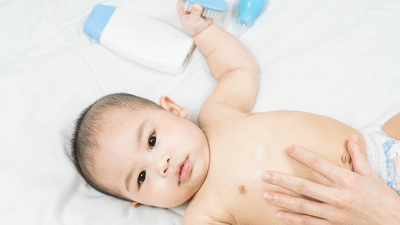
We explain the causes of normal and excessive sweating, and the signs that may need medical attention.
Normal vs Excessive Sweating in Babies
It is important to understand that not all sweating is the same. Understanding the difference between normal and excessive sweating helps you determine when sweating is just a normal body response and when it may require medical attention.
Does Sweating Occur in Specific Parts of a Baby's Body?
Yes, babies often sweat more in some areas than others. This is normal and depends on their position and activity.

Common areas where you may notice sweat:
The following are several common situations that can make your baby sweat.
1. Warm Room Temperature
If the room is too warm, your baby may sweat to cool down. Experts generally recommend keeping the room temperature usually around 20–22°C (68–72°F).
2. Too Many Layers of Clothing
Sometimes parents add extra clothes to keep babies warm. But too many layers of clothing, hats, or thick blankets can trap heat and cause sweating.
3. Sweating During Sleep
It is common for babies to sweat while sleeping, especially in deep sleep. You may notice a sweaty baby's head, neck, or back when your baby wakes.
4. Feeding-Related Sweating
Feeding takes effort for babies, especially newborns and young infants. The work of sucking and swallowing can make them sweat, often on the head or forehead. Occasional sweat during feeding is completely normal.
Possible Medical Reasons for Excessive Sweating
As we explain, baby sweating is harmless. But if sweating is heavy or keeps happening, it can sometimes be linked to a health problem. These causes are not common, but you should be aware of them.
1. Fever or Infection
Babies may sweat when fighting an infection or when a fever is coming down. This is the body’s way of cooling itself.
2. Heart Conditions
Sometimes, too much sweating during feeding can be linked to certain congenital heart conditions. For this, a medical evaluation is required.
3. Respiratory Problems
If your baby has trouble breathing, this extra effort can lead to increased sweating. You should pay attention to any signs of breathing difficulty along with sweating.
4. Other Medical Conditions
Rarely, sweating may be linked to hormonal, metabolic, or nerve‑related issues. These are very uncommon.
Signs That Baby Sweating May Need Attention
Some signs that may need attention include:
Whether you’re pregnant, a new mom, or navigating postpartum, you don’t have to do it alone. Join our support group to connect, share, and support one another.
FAQs on When Baby Sweating Is Harmless and When It Needs AttentionCan babies sweat after vaccinations?
Yes, some babies may sweat more if they develop a mild fever after vaccination. This is usually temporary. Why does my baby sweat during tummy time?
Tummy time is an activity for babies, so mild sweating can occur, especially in warm rooms. Should I use powder on sweaty areas?
It is usually better to keep the area clean and dry. Talk to your paediatrician before using powder on your baby.
We explain the causes of normal and excessive sweating, and the signs that may need medical attention.
Normal vs Excessive Sweating in Babies
It is important to understand that not all sweating is the same. Understanding the difference between normal and excessive sweating helps you determine when sweating is just a normal body response and when it may require medical attention.
| Normal Sweating | Excessive Sweating |
| Mild or moderate sweat | Heavy or unusually frequent sweating |
| Occurs occasionally | Occurs regularly or repeatedly |
| Baby stays comfortable | May make the baby uncomfortable |
| Part of normal temperature regulation | Sometimes it may be linked to an underlying condition |
Does Sweating Occur in Specific Parts of a Baby's Body?
Yes, babies often sweat more in some areas than others. This is normal and depends on their position and activity.
Common areas where you may notice sweat:
- Head and forehead
- Neck
- Back
- Hands and feet
- Underarms
- Skin folds (like the neck or diaper area)
The following are several common situations that can make your baby sweat.
1. Warm Room Temperature
If the room is too warm, your baby may sweat to cool down. Experts generally recommend keeping the room temperature usually around 20–22°C (68–72°F).
2. Too Many Layers of Clothing
Sometimes parents add extra clothes to keep babies warm. But too many layers of clothing, hats, or thick blankets can trap heat and cause sweating.
3. Sweating During Sleep
It is common for babies to sweat while sleeping, especially in deep sleep. You may notice a sweaty baby's head, neck, or back when your baby wakes.
4. Feeding-Related Sweating
Feeding takes effort for babies, especially newborns and young infants. The work of sucking and swallowing can make them sweat, often on the head or forehead. Occasional sweat during feeding is completely normal.
Possible Medical Reasons for Excessive Sweating
As we explain, baby sweating is harmless. But if sweating is heavy or keeps happening, it can sometimes be linked to a health problem. These causes are not common, but you should be aware of them.
1. Fever or Infection
Babies may sweat when fighting an infection or when a fever is coming down. This is the body’s way of cooling itself.
2. Heart Conditions
Sometimes, too much sweating during feeding can be linked to certain congenital heart conditions. For this, a medical evaluation is required.
3. Respiratory Problems
If your baby has trouble breathing, this extra effort can lead to increased sweating. You should pay attention to any signs of breathing difficulty along with sweating.
4. Other Medical Conditions
Rarely, sweating may be linked to hormonal, metabolic, or nerve‑related issues. These are very uncommon.
Signs That Baby Sweating May Need Attention
Some signs that may need attention include:
- Heavy sweating even when the room is cool
- Clothes, bedding, or hair often soaked with sweat
- Baby seems fussy, irritable, or uncomfortable
- Baby looks unusually tired or has low energy
- Feeding takes longer, or the baby struggles to feed
- Poor weight gain or growth concerns
- Fast, noisy, or hard breathing
- Sweating that keeps getting worse over time
Whether you’re pregnant, a new mom, or navigating postpartum, you don’t have to do it alone. Join our support group to connect, share, and support one another.
FAQs on When Baby Sweating Is Harmless and When It Needs Attention
Yes, some babies may sweat more if they develop a mild fever after vaccination. This is usually temporary.
Tummy time is an activity for babies, so mild sweating can occur, especially in warm rooms.
It is usually better to keep the area clean and dry. Talk to your paediatrician before using powder on your baby.
Next Story