
Which Famous City Is Called The City Of Canals? Facts You Should Know

City of Canals : Venice, Italy, is globally recognised as the “City of Canals.” Located in the Venetian Lagoon in northeastern Italy, this historic city is built across 118 small islands connected by over 150 canals and more than 400 bridges. Unlike modern cities, Venice relies entirely on water-based transport, making its canals the lifelines of daily life.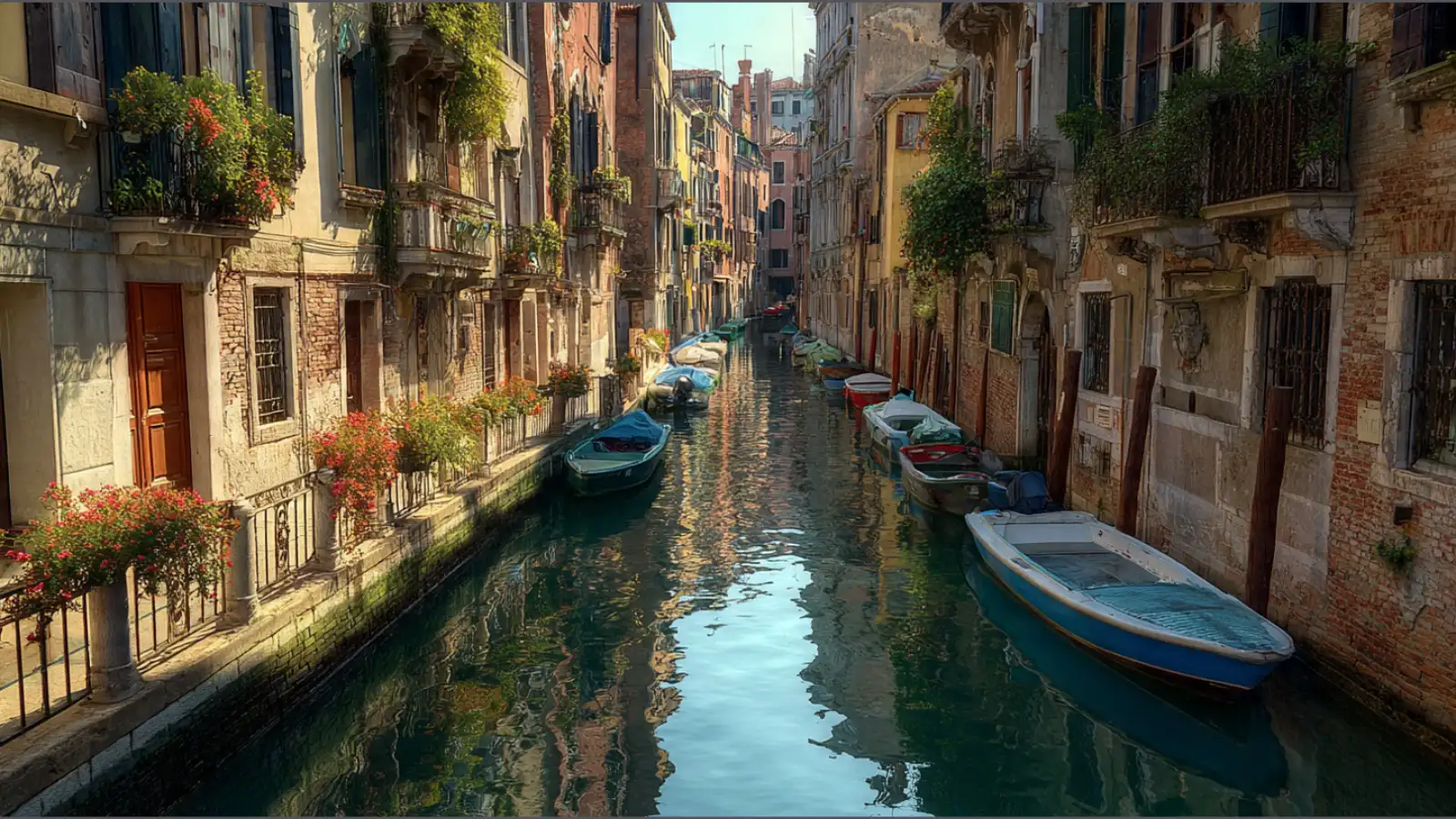
Why Venice is Known as the City of Canals
The origin of Venice dates back to the 5th century, when people fled invasions and settled in the marshy lagoon for safety. Over time, they transformed this challenging landscape into a thriving city by driving millions of wooden piles deep into the soft ground.
As the city developed, the natural gaps between islands turned into canals. These waterways became essential for transport, trade, and communication. Today, Venice’s canals are not just functional but also a symbol of its cultural and historical identity, earning it UNESCO World Heritage status.
The Grand Canal and Water Transport
At the heart of Venice lies the Grand Canal, the city’s main waterway shaped like a sweeping S-curve. Stretching around 3.8 kilometres, it connects major parts of the city and serves as the busiest transport route.
Instead of cars, people rely on gondolas, vaporettos (water buses), and water taxis. This unique transport system makes Venice one of the few completely car-free cities in the world, enhancing its charm and environmental appeal.
Read More: Why The Netherlands Is Known As The Country Of Canals
Fascinating Facts About the City of Canals
1. Built on Wooden Foundations
Venice stands on millions of wooden piles submerged underwater, which have hardened over time and support the city’s structures.
2. Gondolas Follow a Tradition
All gondolas are painted black, following a centuries-old rule introduced to prevent excessive decoration.
3. Birthplace of ‘Quarantine’
The term “quarantine” originated in Venice during the plague, when ships were required to wait 40 days before docking.
4. Narrow Streets and Alleys
Venice is a maze of narrow lanes, including Calletta Varisco, one of the narrowest streets in the world.
5. A City Slowly Sinking
Venice is gradually sinking due to natural subsidence and rising sea levels, making it vulnerable to seasonal flooding known as Acqua Alta.
Venice remains the most iconic “City of Canals” in the world, where waterways define life, history, and beauty. Its unique blend of engineering brilliance and cultural richness continues to attract millions of visitors every year.
Why Venice is Known as the City of Canals
The origin of Venice dates back to the 5th century, when people fled invasions and settled in the marshy lagoon for safety. Over time, they transformed this challenging landscape into a thriving city by driving millions of wooden piles deep into the soft ground. As the city developed, the natural gaps between islands turned into canals. These waterways became essential for transport, trade, and communication. Today, Venice’s canals are not just functional but also a symbol of its cultural and historical identity, earning it UNESCO World Heritage status.
The Grand Canal and Water Transport
At the heart of Venice lies the Grand Canal, the city’s main waterway shaped like a sweeping S-curve. Stretching around 3.8 kilometres, it connects major parts of the city and serves as the busiest transport route. Instead of cars, people rely on gondolas, vaporettos (water buses), and water taxis. This unique transport system makes Venice one of the few completely car-free cities in the world, enhancing its charm and environmental appeal.
You may also like
- Preparing kids for the real world: Money skills every child should have
- Mary L. Trump Critiques Uncle Donald's Leadership Amid Controversies
- Which plants should not be grown near Tulsi and why adding salt could destroy it
- Transform Your Garden with David Domoney's Dream Gardens Spring/Summer Special
- White Stuff's £59 spring jeans praised for 'supportive fit around the tummy'
Read More: Why The Netherlands Is Known As The Country Of Canals
Fascinating Facts About the City of Canals
1. Built on Wooden FoundationsVenice stands on millions of wooden piles submerged underwater, which have hardened over time and support the city’s structures.
2. Gondolas Follow a Tradition
All gondolas are painted black, following a centuries-old rule introduced to prevent excessive decoration.
3. Birthplace of ‘Quarantine’
The term “quarantine” originated in Venice during the plague, when ships were required to wait 40 days before docking.
4. Narrow Streets and Alleys
Venice is a maze of narrow lanes, including Calletta Varisco, one of the narrowest streets in the world.
5. A City Slowly Sinking
Venice is gradually sinking due to natural subsidence and rising sea levels, making it vulnerable to seasonal flooding known as Acqua Alta.
Venice remains the most iconic “City of Canals” in the world, where waterways define life, history, and beauty. Its unique blend of engineering brilliance and cultural richness continues to attract millions of visitors every year.






More from our partners


Loving Newspoint? Download the app now
