
Herbal Tea or Black Tea: Which Brew Fits Your Lifestyle Best?

Tea is one of the most widely consumed beverages in the world, and two popular choices often stand out, herbal tea and black tea. While both are enjoyed for flavor and comfort, they differ significantly in composition, health benefits, and effects on the body. Choosing between them depends on your health goals, lifestyle, and sensitivity to caffeine.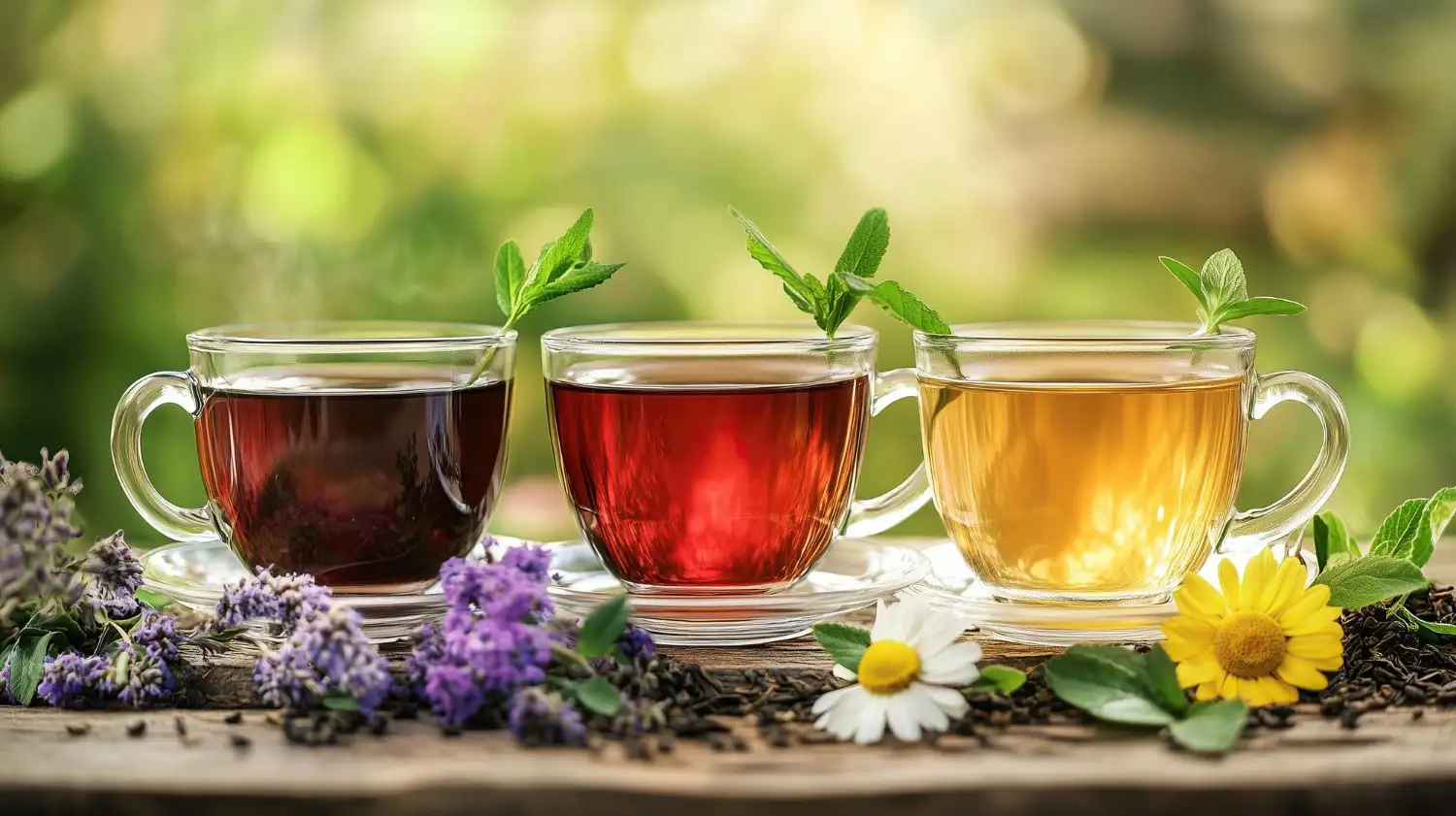
What Is Black Tea?
Black tea is made from the leaves of the Camellia sinensis plant and undergoes full oxidation, giving it a strong flavor, dark color, and higher caffeine content compared to other teas. Common varieties include Assam, Darjeeling, and Earl Grey.
It is known for:
What Is Herbal Tea?
Herbal tea, also called tisane, is not made from tea leaves. Instead, it is an infusion of herbs, flowers, fruits, or spices. Popular examples include chamomile, peppermint, hibiscus, ginger, and tulsi tea.
It is known for:
Health Benefits of Black Tea
Black tea offers several science-backed benefits when consumed in moderation:
Health Benefits of Herbal Tea
Herbal teas are often chosen for their therapeutic and calming effects:
Key Differences Between Herbal Tea and Black Tea
The main difference lies in their source and caffeine content. Black tea comes from tea leaves and contains caffeine, making it more energizing. Herbal tea is made from diverse plant ingredients and is usually caffeine-free, making it more calming.
Black tea is often preferred for morning or daytime energy, while herbal tea is better suited for relaxation and evening use.
Which One Is Better for You?
There is no absolute winner, it depends on your needs:
Choose black tea if you want:
Can You Drink Both?
Yes, many people benefit from including both in their routine. Black tea can be part of your morning ritual, while herbal teas can help you unwind at night. This balanced approach allows you to enjoy the benefits of both without overconsuming caffeine.
Both herbal tea and black tea offer unique health advantages. Instead of choosing one over the other, the best approach is to use them according to your body’s needs and daily rhythm. A mindful tea routine can support energy, relaxation, and overall well-being in a natural way.
What Is Black Tea?
Black tea is made from the leaves of the Camellia sinensis plant and undergoes full oxidation, giving it a strong flavor, dark color, and higher caffeine content compared to other teas. Common varieties include Assam, Darjeeling, and Earl Grey. It is known for:
- Moderate to high caffeine content
- Rich antioxidant profile (especially theaflavins and thearubigins)
- Bold taste often enjoyed with milk or lemon
What Is Herbal Tea?
Herbal tea, also called tisane, is not made from tea leaves. Instead, it is an infusion of herbs, flowers, fruits, or spices. Popular examples include chamomile, peppermint, hibiscus, ginger, and tulsi tea.You may also like
- "My daughter will lose...": Father cries outside NEET re-exam centre after daughter misses the gate by two minutes; what happens next is a parenting lesson
- Essential Travel Safety Tips for Solo Travelers
- Travel Safety Tips: Avoid these mistakes while traveling by train or bus, or you could face serious loss..
- Pink mould in the bathroom: What is it and kitchen ingredients that can remove it
- Sindhu Darshan Yatra Scheme 2026: Government offering a subsidy of up to ₹20,000 for the Ladakh trip; check full details..
It is known for:
- Naturally caffeine-free composition (in most cases)
- Wide variety of ingredients with targeted benefits
- Soothing aroma and gentle flavor profiles
Health Benefits of Black Tea
Black tea offers several science-backed benefits when consumed in moderation: - Heart health support: May help improve cholesterol levels and support healthy blood vessels
- Mental alertness: Caffeine and L-theanine together can improve focus and concentration
- Antioxidant protection: Helps combat oxidative stress in the body
- Gut health: May support beneficial gut bacteria
Health Benefits of Herbal Tea
Herbal teas are often chosen for their therapeutic and calming effects: - Better sleep: Chamomile and lavender help promote relaxation
- Digestive support: Peppermint and ginger can ease bloating and nausea
- Immunity boost: Ingredients like tulsi and ginger support immune function
- Stress relief: Many herbal blends help reduce anxiety and tension
Key Differences Between Herbal Tea and Black Tea
The main difference lies in their source and caffeine content. Black tea comes from tea leaves and contains caffeine, making it more energizing. Herbal tea is made from diverse plant ingredients and is usually caffeine-free, making it more calming. Black tea is often preferred for morning or daytime energy, while herbal tea is better suited for relaxation and evening use.
Which One Is Better for You?
There is no absolute winner, it depends on your needs: Choose black tea if you want:
- An energy boost
- Improved focus
- A traditional tea experience
- Better sleep and relaxation
- Caffeine-free hydration
- Natural remedies for digestion or stress
Can You Drink Both?
Yes, many people benefit from including both in their routine. Black tea can be part of your morning ritual, while herbal teas can help you unwind at night. This balanced approach allows you to enjoy the benefits of both without overconsuming caffeine. Both herbal tea and black tea offer unique health advantages. Instead of choosing one over the other, the best approach is to use them according to your body’s needs and daily rhythm. A mindful tea routine can support energy, relaxation, and overall well-being in a natural way.






More from our partners


Loving Newspoint? Download the app now
