
Which River Is The Second Longest In The World And Its Fascinating Facts

Rivers are more than just water flowing through landscapes, they are the veins of our planet, supporting life, culture, and history. Among the world’s many rivers, a few stand out for their sheer size, length, and ecological importance. One such river is the Amazon, widely recognised as the second longest river in the world.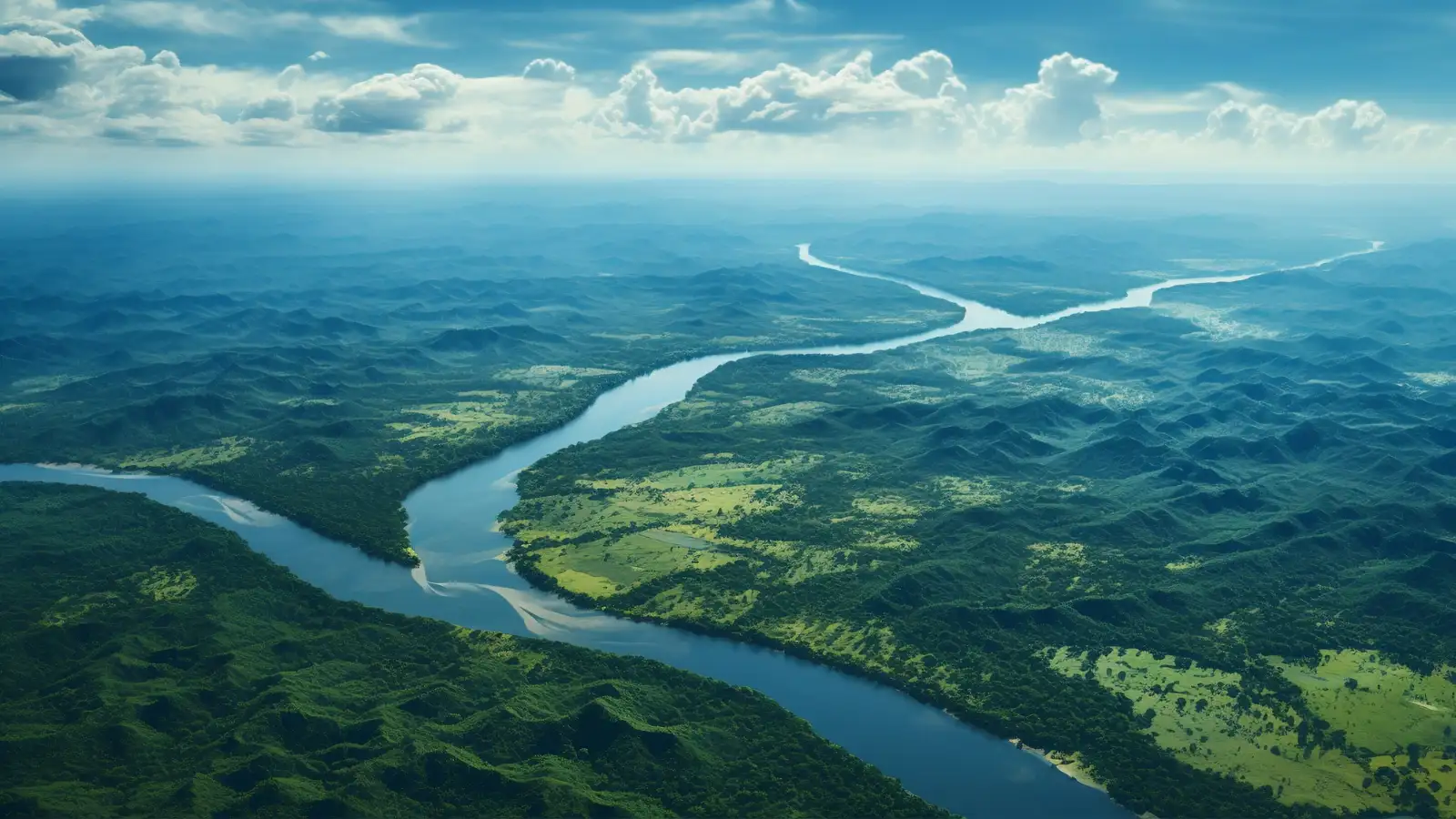
The Amazon River stretches approximately 6,400 kilometres (around 4,000 miles) across South America. Originating from the Andes Mountains in Peru, it winds through Colombia and Brazil before emptying into the Atlantic Ocean. While it ranks second in length, the Amazon surpasses all other rivers in terms of water discharge, making it the largest river by volume globally. This immense flow sustains the world’s largest tropical rainforest and countless species of flora and fauna.
The Nile River in Africa remains the longest river, flowing about 6,650 kilometres through countries such as Uganda, Sudan, and Egypt before reaching the Mediterranean Sea. Though slightly longer than the Amazon, it carries far less water, highlighting the Amazon’s role as the most powerful river system on Earth.
The Amazon Basin covers over 7 million square kilometres, hosting the richest biodiversity on the planet. Thousands of species including piranhas, catfish, and the iconic pink river dolphin, thrive in its waters. The river also irrigates millions of hectares of forest, often referred to as the “lungs of the Earth,” playing a critical role in global climate regulation.
Other notable long rivers include the Yangtze in China, the Mississippi–Missouri system in the United States, and the Yenisei in Russia. Each river supports local communities, agriculture, and wildlife, but the Amazon stands out for both its ecological significance and cultural impact across South America.
The Amazon River is not only the second longest river in the world but also a vital ecosystem supporting life and influencing global climate. Its extraordinary volume, biodiversity, and the vast rainforest it nurtures make it one of Earth’s greatest natural wonders.
The Amazon River stretches approximately 6,400 kilometres (around 4,000 miles) across South America. Originating from the Andes Mountains in Peru, it winds through Colombia and Brazil before emptying into the Atlantic Ocean. While it ranks second in length, the Amazon surpasses all other rivers in terms of water discharge, making it the largest river by volume globally. This immense flow sustains the world’s largest tropical rainforest and countless species of flora and fauna.
The Nile River in Africa remains the longest river, flowing about 6,650 kilometres through countries such as Uganda, Sudan, and Egypt before reaching the Mediterranean Sea. Though slightly longer than the Amazon, it carries far less water, highlighting the Amazon’s role as the most powerful river system on Earth.
You may also like
- Parenting Tips: These 6 Habits of Newborns Scare New Parents—But Are Completely Normal..
- Bank Holiday April 2026: Banks will remain closed for so many days in April, know the list of holidays before going
- Hotel at 15,000 feet in Italy: Why people risk their lives to sleep above the clouds
- Top Destinations to Explore in April: A Travel Guide
- No need for LPG or the risk of electric shock? Learn how a ₹1,000 electric stove works
The Amazon Basin covers over 7 million square kilometres, hosting the richest biodiversity on the planet. Thousands of species including piranhas, catfish, and the iconic pink river dolphin, thrive in its waters. The river also irrigates millions of hectares of forest, often referred to as the “lungs of the Earth,” playing a critical role in global climate regulation.
Other notable long rivers include the Yangtze in China, the Mississippi–Missouri system in the United States, and the Yenisei in Russia. Each river supports local communities, agriculture, and wildlife, but the Amazon stands out for both its ecological significance and cultural impact across South America.
The Amazon River is not only the second longest river in the world but also a vital ecosystem supporting life and influencing global climate. Its extraordinary volume, biodiversity, and the vast rainforest it nurtures make it one of Earth’s greatest natural wonders.






More from our partners


Loving Newspoint? Download the app now
