
Whole Apple or Apple Juice: What Should You Really Choose?

Apples have long been associated with good health, but when it comes to choosing between a whole apple and a glass of apple juice, the healthier option is clear. While both come from the same fruit, the way they affect your body is quite different. Whole apples provide fiber, essential nutrients, and lasting fullness, whereas apple juice often contains more concentrated sugar and much less fiber. Here's a closer look at how they compare.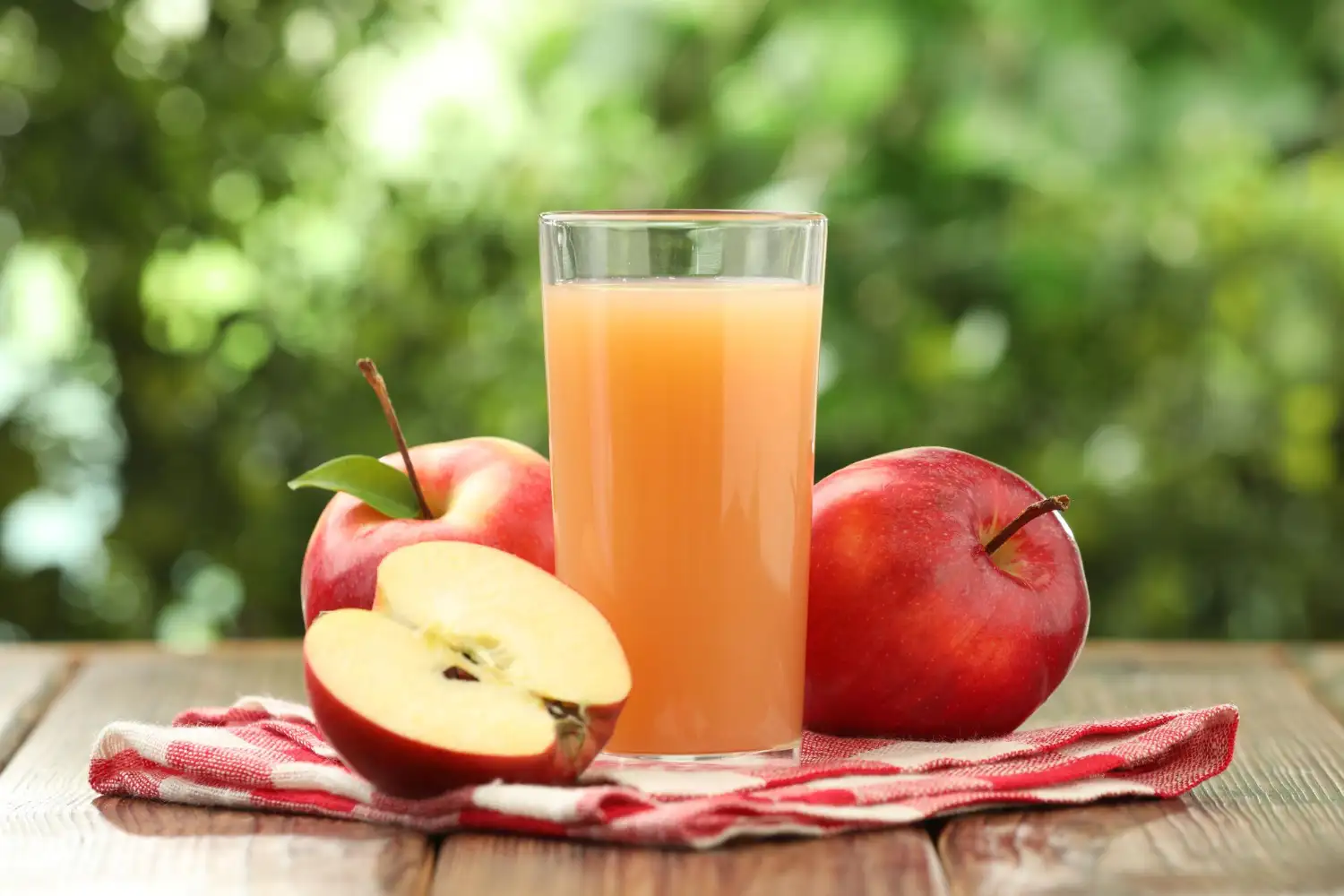
1. Fiber Makes the Biggest Difference
A whole apple is packed with dietary fiber, especially in its peel, which supports digestion, promotes healthy gut bacteria, and helps regulate blood sugar levels. Apple juice, even when labeled as 100% juice, contains little to no fiber because most of it is removed during processing.
2. Whole Apples Keep You Full Longer
Chewing a whole apple takes time, and its fiber slows digestion, helping you stay satisfied for longer. A glass of apple juice is consumed quickly and is less filling, making it easier to consume excess calories without realizing it.
3. Better for Blood Sugar Control
Whole apples release natural sugars gradually due to their fiber content, resulting in a steadier rise in blood sugar. Apple juice is absorbed much faster, which can cause a quicker spike in blood glucose levels, especially when consumed in large amounts.
4. Lower Risk of Overconsumption
One medium apple contains about the same amount of natural sugar as a small serving of juice. However, a single glass of apple juice may require the juice of several apples, making it easy to consume much more sugar than you would by eating the fruit itself.
1. Fiber Makes the Biggest Difference
A whole apple is packed with dietary fiber, especially in its peel, which supports digestion, promotes healthy gut bacteria, and helps regulate blood sugar levels. Apple juice, even when labeled as 100% juice, contains little to no fiber because most of it is removed during processing. 2. Whole Apples Keep You Full Longer
Chewing a whole apple takes time, and its fiber slows digestion, helping you stay satisfied for longer. A glass of apple juice is consumed quickly and is less filling, making it easier to consume excess calories without realizing it.3. Better for Blood Sugar Control
Whole apples release natural sugars gradually due to their fiber content, resulting in a steadier rise in blood sugar. Apple juice is absorbed much faster, which can cause a quicker spike in blood glucose levels, especially when consumed in large amounts. 4. Lower Risk of Overconsumption
One medium apple contains about the same amount of natural sugar as a small serving of juice. However, a single glass of apple juice may require the juice of several apples, making it easy to consume much more sugar than you would by eating the fruit itself.Next Story