
Why Am I Having Brown Discharge Between Periods?


Predictable changes in vaginal discharge may suggest that ovulation is occurring, which is a positive reproductive health sign, especially if you are planning to get pregnant. Menstrual bleeding is normally slow during the first and last days of menstruation. Blood that is shed from the body rapidly is normally red, while blood that flows slowly has enough time to get oxidised, resulting in its colour changing to brown.
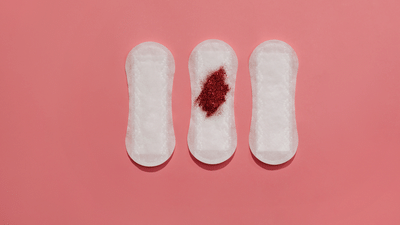
You might also experience dark brown or black discharge during your period. It generally happens when periods are heavy. Sometimes, such discharge may indicate an underlying condition, like a hormonal imbalance or infection.
If you notice some other signs, like a foul smell, along with brown discharge, you should consult your doctor to know the underlying causes.
Brown discharge is mostly harmless, but its frequency, intensity, and signs may help determine the reason behind this.

What Does Brown Discharge Mean?
Normally, brown discharge is a mixture of old menstrual blood with normal vaginal discharge.
Unlike fresh bleeding, which appears bright red, older blood becomes brown before leaving the body.
You may notice it:
Is Brown Discharge During Ovulation Normal?
Hormonal changes at mid-cycle can lead to spotting.
These are the typical symptoms of ovulation spotting:
Common Causes of Brown Discharge Between Periods
The following are the common causes that lead to brown discharge between periods:
1. Hormonal Changes
When there are shifts in your hormone levels, it can affect the uterine lining, leading to light spotting.
However, possible causes may include:
2. Old Menstrual Blood
Sometimes, a small amount of menstrual blood leaves the uterus more slowly than usual. As it remains in the reproductive tract for longer, it turns brown before leaving the body.
As a result, you may notice:
3. Pregnancy-Related Spotting
Sometimes, light brown spotting occurs at the beginning of pregnancy.
This is caused by implantation of the fertilised egg into the uterine wall.
However, any bleeding during pregnancy should be discussed with a healthcare professional.
Can Infections Cause Brown Discharge?
Some infections which affect the vagina or cervix may cause abnormal vaginal discharge and even spotting.
The following are the symptoms that may suggest an infection in your reproductive tract:
Gynaecological Conditions Linked to Brown Spotting
The following are some underlying conditions that can cause bleeding between periods.
Pelvic pain and abnormal bleeding
Cervical polyps
Light spotting after intercourse or between periods
Adenomyosis
Heavy periods and irregular bleeding
These conditions require proper diagnosis by a healthcare professional.
When Should You See a Doctor?
If you notice brownish discharge occasionally, it is not alarming.
But if you experience the following, you must consult your doctor:
How Will Your Doctor Diagnose The Cause Of Your Brown Discharge?
Your doctor may ask you about:
You might also experience dark brown or black discharge during your period. It generally happens when periods are heavy. Sometimes, such discharge may indicate an underlying condition, like a hormonal imbalance or infection.
If you notice some other signs, like a foul smell, along with brown discharge, you should consult your doctor to know the underlying causes.
Brown discharge is mostly harmless, but its frequency, intensity, and signs may help determine the reason behind this.
What Does Brown Discharge Mean?
Normally, brown discharge is a mixture of old menstrual blood with normal vaginal discharge.
Unlike fresh bleeding, which appears bright red, older blood becomes brown before leaving the body.
You may notice it:
- A few days before your period
- Soon after your period ends
- Around ovulation
- Occasionally, between menstrual cycles
Is Brown Discharge During Ovulation Normal?
Hormonal changes at mid-cycle can lead to spotting.
These are the typical symptoms of ovulation spotting:
- Spotting with brown or pink discharge
- Duration of about one to two days
- Feeling of mild pain in the lower abdomen
- Occurs near the middle of your menstrual cycle
Common Causes of Brown Discharge Between Periods
The following are the common causes that lead to brown discharge between periods:
1. Hormonal Changes
When there are shifts in your hormone levels, it can affect the uterine lining, leading to light spotting.
However, possible causes may include:
- Puberty
- Perimenopause
- Stress
- Significant weight changes
- Hormonal contraceptives
2. Old Menstrual Blood
Sometimes, a small amount of menstrual blood leaves the uterus more slowly than usual. As it remains in the reproductive tract for longer, it turns brown before leaving the body.
As a result, you may notice:
- Brown discharge several days after menstruation
- Small amounts of spotting
- No other symptoms
3. Pregnancy-Related Spotting
Sometimes, light brown spotting occurs at the beginning of pregnancy.
This is caused by implantation of the fertilised egg into the uterine wall.
However, any bleeding during pregnancy should be discussed with a healthcare professional.
Can Infections Cause Brown Discharge?
Some infections which affect the vagina or cervix may cause abnormal vaginal discharge and even spotting.
The following are the symptoms that may suggest an infection in your reproductive tract:
- Unpleasant odour
- Pelvic pain
- Itching or irritation
- Burning while passing urine
- Yellow, green, or grey discharge
Gynaecological Conditions Linked to Brown Spotting
The following are some underlying conditions that can cause bleeding between periods.
| Condition | How It May Affect You |
| Polycystic ovary syndrome (PCOS) | Irregular ovulation and unpredictable spotting |
| Uterine fibroids | Bleeding between menstrual periods |
| Endometriosis |
Pelvic pain and abnormal bleeding
Cervical polyps
Light spotting after intercourse or between periods
Adenomyosis
Heavy periods and irregular bleeding
These conditions require proper diagnosis by a healthcare professional.
When Should You See a Doctor?
If you notice brownish discharge occasionally, it is not alarming.
But if you experience the following, you must consult your doctor:
- Frequent spotting between periods
- Heavy bleeding
- Pelvic or abdominal pain
- Fever
- Foul-smelling discharge
- Bleeding after menopause
- Bleeding during pregnancy
How Will Your Doctor Diagnose The Cause Of Your Brown Discharge?
Your doctor may ask you about:
- Dates of your menstrual cycle
- Recent symptoms
- Pregnancy possibility
- Current medications
- Medical history
- Physical examination
- Pelvic examination
- Pregnancy test
- Ultrasound scan
- Blood tests
Next Story