
Why Are Amsterdam's Canals So Famous? Discover Their Fascinating History

Amsterdam is often called the 'City of Canals', and for good reason. The Dutch capital is home to an extensive network of waterways that has shaped its history, culture, and identity for centuries. These canals are not only beautiful but also represent remarkable engineering and urban planning. In recognition of their historical importance, Amsterdam's 17th-century canal ring was designated a UNESCO World Heritage Site in 2010.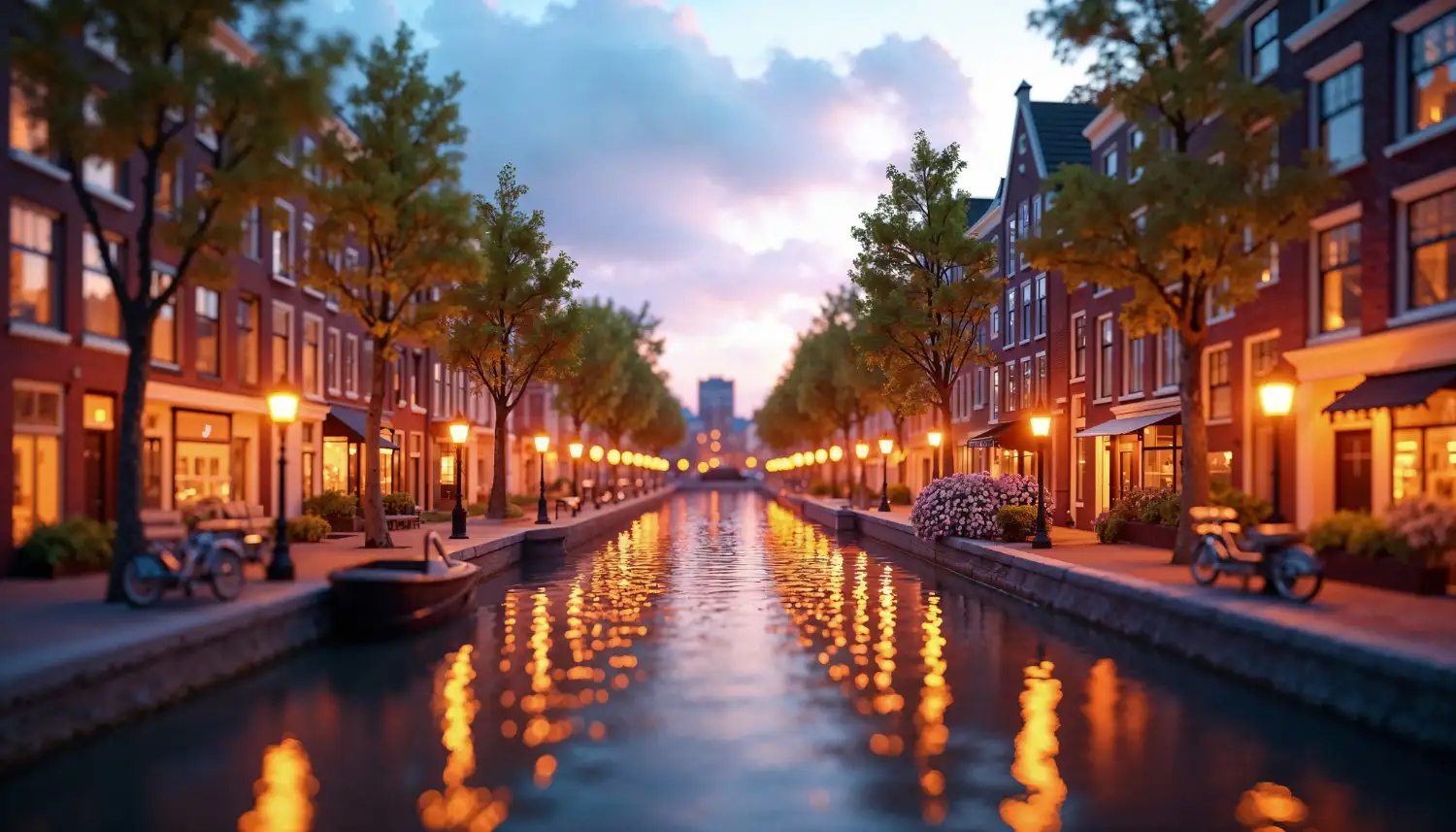
Here's the fascinating story behind Amsterdam's world-famous canals.
Why Were Amsterdam's Canals Built?
Amsterdam's canals were primarily constructed during the Dutch Golden Age in the 17th century, when the city experienced rapid economic growth through international trade. As the population expanded, city planners designed a carefully organized canal system to accommodate new neighborhoods, improve transportation, and manage water.
The canals also served as defensive barriers, helping protect the city while facilitating the movement of goods by boat. This thoughtful design allowed Amsterdam to grow in an orderly and efficient manner.
The Famous Canal Ring
The heart of Amsterdam's canal network is known as the Canal Ring ('Grachtengordel'), consisting of four main canals that curve around the city's historic center:
A Masterpiece of Water Management
The Netherlands has long battled flooding due to much of the country lying at or below sea level. Amsterdam's canal system reflects centuries of Dutch expertise in water management.
The canals help regulate water levels by connecting to locks, pumping systems, and surrounding waterways. Although modern infrastructure has enhanced flood control, the original canal network remains an important part of the city's water management system.
Why Are the Canals UNESCO-Listed?
In 2010, UNESCO added Amsterdam's 17th-century canal ring to its World Heritage List. The organization recognized the canals as an outstanding example of large-scale urban planning and hydraulic engineering.
The canal belt showcases how the Dutch successfully combined commerce, architecture, and water management to create a thriving city. Many of the historic canal houses, bridges, and warehouses remain well preserved today.
More Than Just Waterways
Amsterdam's canals are lined with narrow historic buildings, museums, cafes, houseboats, and tree-lined streets. They continue to play an important role in everyday life.
Residents use the canals for transportation, recreation, and tourism. Canal cruises are among the city's most popular attractions, offering visitors a unique view of Amsterdam's historic neighborhoods and landmarks.
How Many Canals and Bridges Does Amsterdam Have?
Amsterdam has more than 100 kilometers (about 62 miles) of canals, around 90 islands, and approximately 1,500 bridges. This extensive network connects different parts of the city and contributes to its distinctive appearance.
The city's canal houses, many built during the 17th century, are also famous for their narrow facades, a design influenced in part by limited plot widths and historical taxation practices.
The Canals in Every Season
The canals offer a different experience throughout the year:
Fun Facts About Amsterdam's Canals
Why Do People Love Amsterdam's Canals?
Amsterdam's canals are admired because they combine history, architecture, engineering, and everyday urban life in a unique setting. They tell the story of a city that grew through trade, innovation, and careful planning while adapting to the challenges of living with water.
Whether explored on foot, by bicycle, or from a boat, the canals remain one of the world's most recognizable urban landscapes and continue to be the heart of Amsterdam's enduring charm.
Disclaimer: This article is intended for general informational purposes only. While every effort has been made to ensure accuracy, historical interpretations and urban details may evolve with ongoing research. Readers are encouraged to consult official tourism and UNESCO resources for the latest information.
Here's the fascinating story behind Amsterdam's world-famous canals.
Why Were Amsterdam's Canals Built?
Amsterdam's canals were primarily constructed during the Dutch Golden Age in the 17th century, when the city experienced rapid economic growth through international trade. As the population expanded, city planners designed a carefully organized canal system to accommodate new neighborhoods, improve transportation, and manage water.The canals also served as defensive barriers, helping protect the city while facilitating the movement of goods by boat. This thoughtful design allowed Amsterdam to grow in an orderly and efficient manner.
The Famous Canal Ring
The heart of Amsterdam's canal network is known as the Canal Ring ('Grachtengordel'), consisting of four main canals that curve around the city's historic center: - Singel - Originally served as the city's moat during the Middle Ages before becoming an inner-city canal.
- Herengracht (Gentlemen's Canal) - Known for its elegant mansions that once belonged to wealthy merchants.
- Keizersgracht (Emperor's Canal) - The widest canal in central Amsterdam, named after Holy Roman Emperor Maximilian I.
- Prinsengracht (Prince's Canal) - The longest of the main canals, named after William of Orange, the Prince of Orange.
A Masterpiece of Water Management
The Netherlands has long battled flooding due to much of the country lying at or below sea level. Amsterdam's canal system reflects centuries of Dutch expertise in water management. The canals help regulate water levels by connecting to locks, pumping systems, and surrounding waterways. Although modern infrastructure has enhanced flood control, the original canal network remains an important part of the city's water management system.
Why Are the Canals UNESCO-Listed?
In 2010, UNESCO added Amsterdam's 17th-century canal ring to its World Heritage List. The organization recognized the canals as an outstanding example of large-scale urban planning and hydraulic engineering. The canal belt showcases how the Dutch successfully combined commerce, architecture, and water management to create a thriving city. Many of the historic canal houses, bridges, and warehouses remain well preserved today.
You may also like
- 5 Nutritious Breakfast Ideas for Kids That Keep Them Active and Energized All Day
- 5 Café-Style Milkshakes You Can Easily Make at Home for a Refreshing and Delicious Treat
- Every Indian woman has been told, “It's just your hormones”: Astha Gill's book finally tells the real story
- Amarnath Yatra 2026: The Legend, Significance & Secret Of Shiva's Immortality
- Does Teething Cause Fever in Babies? A Doctor Explains
More Than Just Waterways
Amsterdam's canals are lined with narrow historic buildings, museums, cafes, houseboats, and tree-lined streets. They continue to play an important role in everyday life. Residents use the canals for transportation, recreation, and tourism. Canal cruises are among the city's most popular attractions, offering visitors a unique view of Amsterdam's historic neighborhoods and landmarks.
How Many Canals and Bridges Does Amsterdam Have?
Amsterdam has more than 100 kilometers (about 62 miles) of canals, around 90 islands, and approximately 1,500 bridges. This extensive network connects different parts of the city and contributes to its distinctive appearance. The city's canal houses, many built during the 17th century, are also famous for their narrow facades, a design influenced in part by limited plot widths and historical taxation practices.
The Canals in Every Season
The canals offer a different experience throughout the year: - Spring: Blooming trees create picturesque waterfront views.
- Summer: Outdoor cafés and boat traffic bring the canals to life.
- Autumn: Golden leaves reflect beautifully on the water.
- Winter: Festive lights illuminate the canals, and in exceptionally cold winters, some canals may freeze enough for ice skating, though this has become increasingly rare.
Fun Facts About Amsterdam's Canals
- The canal ring was largely developed during the 17th century as part of a planned city expansion.
- The Canal Ring became a UNESCO World Heritage Site in 2010.
- Many canal houses feature decorative gables that reflect different architectural styles.
- Houseboats have become a distinctive and permanent part of Amsterdam's canals.
- Numerous historic bridges are illuminated at night, creating one of the city's most iconic views.
Why Do People Love Amsterdam's Canals?
Amsterdam's canals are admired because they combine history, architecture, engineering, and everyday urban life in a unique setting. They tell the story of a city that grew through trade, innovation, and careful planning while adapting to the challenges of living with water.Whether explored on foot, by bicycle, or from a boat, the canals remain one of the world's most recognizable urban landscapes and continue to be the heart of Amsterdam's enduring charm.
Disclaimer: This article is intended for general informational purposes only. While every effort has been made to ensure accuracy, historical interpretations and urban details may evolve with ongoing research. Readers are encouraged to consult official tourism and UNESCO resources for the latest information.






Loving Newspoint? Download the app now
