
Why Are School Buses Usually Painted Yellow? The Science and Safety Rules Behind Their Colour

Have you ever wondered why school buses are almost always yellow, regardless of where you see them? The distinctive colour is not simply a design choice. School buses are painted yellow primarily because the shade makes them easier to spot on busy roads, helping drivers recognise vehicles carrying children and respond more carefully. In India, this is also a safety requirement under the AIS-063 automotive standard, which specifies golden yellow as the mandatory external colour for school buses. But how did this tradition begin, and what makes yellow so effective?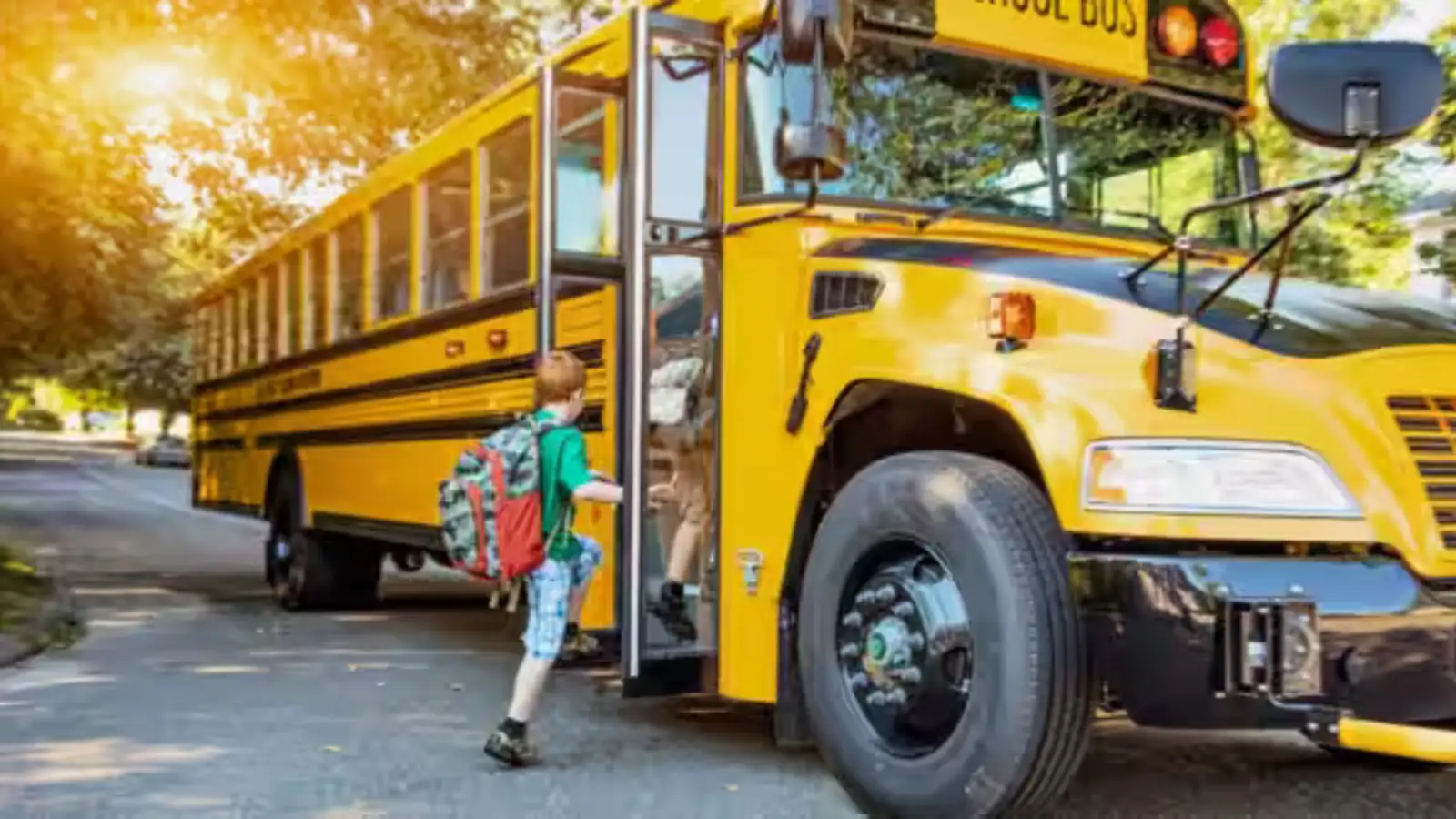
The change began when Frank Cyr, an American education expert, organised a conference at Columbia University in New York. He brought together education and transportation officials to establish common standards for school transportation.
One of the key decisions was to introduce a uniform colour for school buses. After discussions and comparisons of different shades, the group selected an orange-tinged yellow. The decision was influenced by two important considerations: making school buses easily recognisable on roads and keeping their manufacturing costs manageable.
The idea gradually gained acceptance, and several countries adopted similar colour conventions for their school transportation systems.
During the 1939 conference, Frank Cyr reportedly displayed paint samples in around 50 different shades, ranging from lemon yellow to deep orange-red. The delegates examined the options before a smaller group made the final selection. While some participants favoured colours such as red, white and blue, the orange-toned yellow eventually emerged as the preferred option.
There is also a scientific explanation behind this choice. The particular shade used for school buses stimulates both the red- and green-sensitive cone cells in the human eye. This creates a strong visual signal that helps the brain recognise the colour.
Yellow is also highly noticeable in low-light conditions and against many everyday road backgrounds. This makes it easier for motorists to identify a school bus from a distance and pay attention to its movements.
The standard builds upon the AIS-052 Code of Practice for Bus Body Design and Approval. It applies to M2 and M3 category vehicles with a seating capacity of 13 passengers or more, excluding the driver, when used for school transportation.
One of its important requirements concerns the vehicle's exterior appearance. According to AIS-063, every school bus must be painted golden yellow, with the prescribed shade identified through the Indian Standard IS 5.
The standard also permits an additional golden-brown strip measuring 150 mm in width along all sides of the vehicle, below the window level. However, this feature is optional rather than compulsory.
These requirements help maintain uniformity and make school buses easier to identify, reinforcing their distinct identity on Indian roads.
School buses frequently stop in residential areas, near schools and along busy roads. Children may be waiting nearby or crossing the road while getting on or off the vehicle. Since young passengers may not always be aware of approaching traffic, motorists need to be especially careful around these buses.
The bright yellow exterior serves as an early visual warning, giving drivers an opportunity to slow down and prepare for a possible stop.
However, colour alone cannot ensure safety. Warning lights, stop signals, careful driving and awareness among children and parents are equally important.
These precautions are particularly important because children may suddenly appear in front of or behind the bus.
Large school buses generally use closely spaced, high-backed seats with energy-absorbing padding. This seating arrangement is designed to help protect passengers by limiting movement during a collision.
Smaller school buses weighing 10,000 pounds or less are required to have lap belts or a combination of lap and shoulder belts under the US safety requirements described in the source information.
Parents and guardians also have an important role in teaching children basic school bus safety habits. Children should be encouraged to:
In India, the golden-yellow colour is also backed by AIS-063, making it an important part of school bus identification and safety requirements.
Ultimately, the reason school buses are yellow is simple: they need to stand out. Their distinctive appearance reminds motorists that children are travelling inside and that extra care may be required whenever the vehicle slows down or stops. The next time you spot a yellow school bus, remember that its colour is a carefully chosen safety feature, not just a tradition.
How Did Yellow Become the Standard Colour for School Buses?
The use of yellow for school buses dates back to 1939 in the United States. Before that, children travelled to school in buses and trucks of different colours, with no uniform identification system. This made it difficult for other motorists to immediately recognise vehicles transporting schoolchildren.The change began when Frank Cyr, an American education expert, organised a conference at Columbia University in New York. He brought together education and transportation officials to establish common standards for school transportation.
One of the key decisions was to introduce a uniform colour for school buses. After discussions and comparisons of different shades, the group selected an orange-tinged yellow. The decision was influenced by two important considerations: making school buses easily recognisable on roads and keeping their manufacturing costs manageable.
The idea gradually gained acceptance, and several countries adopted similar colour conventions for their school transportation systems.
Why Was Yellow Chosen Over Other Colours?
The selection of yellow was not random. Its visibility, particularly in changing light conditions, made it a practical choice for vehicles carrying children.During the 1939 conference, Frank Cyr reportedly displayed paint samples in around 50 different shades, ranging from lemon yellow to deep orange-red. The delegates examined the options before a smaller group made the final selection. While some participants favoured colours such as red, white and blue, the orange-toned yellow eventually emerged as the preferred option.
There is also a scientific explanation behind this choice. The particular shade used for school buses stimulates both the red- and green-sensitive cone cells in the human eye. This creates a strong visual signal that helps the brain recognise the colour.
Yellow is also highly noticeable in low-light conditions and against many everyday road backgrounds. This makes it easier for motorists to identify a school bus from a distance and pay attention to its movements.
What Do Indian Rules Say About School Bus Colours?
In India, school bus colours are governed by specific automotive safety standards. The Automotive Industry Standard AIS-063 lays down requirements for the design, construction and safety features of vehicles used to transport schoolchildren.The standard builds upon the AIS-052 Code of Practice for Bus Body Design and Approval. It applies to M2 and M3 category vehicles with a seating capacity of 13 passengers or more, excluding the driver, when used for school transportation.
One of its important requirements concerns the vehicle's exterior appearance. According to AIS-063, every school bus must be painted golden yellow, with the prescribed shade identified through the Indian Standard IS 5.
The standard also permits an additional golden-brown strip measuring 150 mm in width along all sides of the vehicle, below the window level. However, this feature is optional rather than compulsory.
These requirements help maintain uniformity and make school buses easier to identify, reinforcing their distinct identity on Indian roads.
How Does the Yellow Colour Help Prevent Road Accidents?
The primary purpose of the distinctive school bus colour is to improve visibility and encourage caution among other road users.School buses frequently stop in residential areas, near schools and along busy roads. Children may be waiting nearby or crossing the road while getting on or off the vehicle. Since young passengers may not always be aware of approaching traffic, motorists need to be especially careful around these buses.
The bright yellow exterior serves as an early visual warning, giving drivers an opportunity to slow down and prepare for a possible stop.
However, colour alone cannot ensure safety. Warning lights, stop signals, careful driving and awareness among children and parents are equally important.
What Do the Flashing Yellow and Red Lights on School Buses Mean?
School bus warning lights communicate important information to other motorists. Understanding the difference between yellow and red signals can help prevent dangerous situations.- Flashing yellow lights: These indicate that the bus is preparing to stop to pick up or drop off children. Other motorists should reduce their speed, remain alert and be ready to stop.
- Flashing red lights: These indicate that the bus has stopped and children are boarding or getting off. Where the bus is equipped with an extended stop arm, it provides an additional warning to approaching vehicles.
These precautions are particularly important because children may suddenly appear in front of or behind the bus.
How Are School Buses Designed to Protect Children?
Apart from their distinctive colour and warning signals, school buses also have specific safety features designed to reduce the risk of injuries.Large school buses generally use closely spaced, high-backed seats with energy-absorbing padding. This seating arrangement is designed to help protect passengers by limiting movement during a collision.
Smaller school buses weighing 10,000 pounds or less are required to have lap belts or a combination of lap and shoulder belts under the US safety requirements described in the source information.
Parents and guardians also have an important role in teaching children basic school bus safety habits. Children should be encouraged to:
- Wait at least 10 feet away from the road while waiting for the bus.
- Avoid standing or playing near the rear of the vehicle.
- Never walk behind a school bus.
- Make eye contact with the driver before crossing in front of the bus.
- Wait for the bus to come to a complete stop before approaching it.
Why Do School Buses Continue to Be Yellow?
The yellow school bus has become a familiar sight because its colour serves a much bigger purpose than appearance. What began as a standardisation effort in the United States in 1939 eventually became a widely recognised safety convention.In India, the golden-yellow colour is also backed by AIS-063, making it an important part of school bus identification and safety requirements.
Ultimately, the reason school buses are yellow is simple: they need to stand out. Their distinctive appearance reminds motorists that children are travelling inside and that extra care may be required whenever the vehicle slows down or stops. The next time you spot a yellow school bus, remember that its colour is a carefully chosen safety feature, not just a tradition.
Next Story