
Why Are Some Vegetables Naturally Bitter? The Science Behind the Taste

Have you ever bitten into a piece of bitter gourd , kale or Brussels sprouts and wondered why nature would create vegetables with such a sharp, unpleasant taste? While sweetness often signals energy-rich food, bitterness has long been associated with danger in the natural world. Yet many of the healthiest vegetables on our plates are naturally bitter. This isn't a flaw in nature but a carefully evolved survival mechanism that has protected plants for millions of years. Understanding why vegetables develop bitterness not only explains their unique flavour but also reveals surprising connections between plant evolution , human health and the food we eat every day.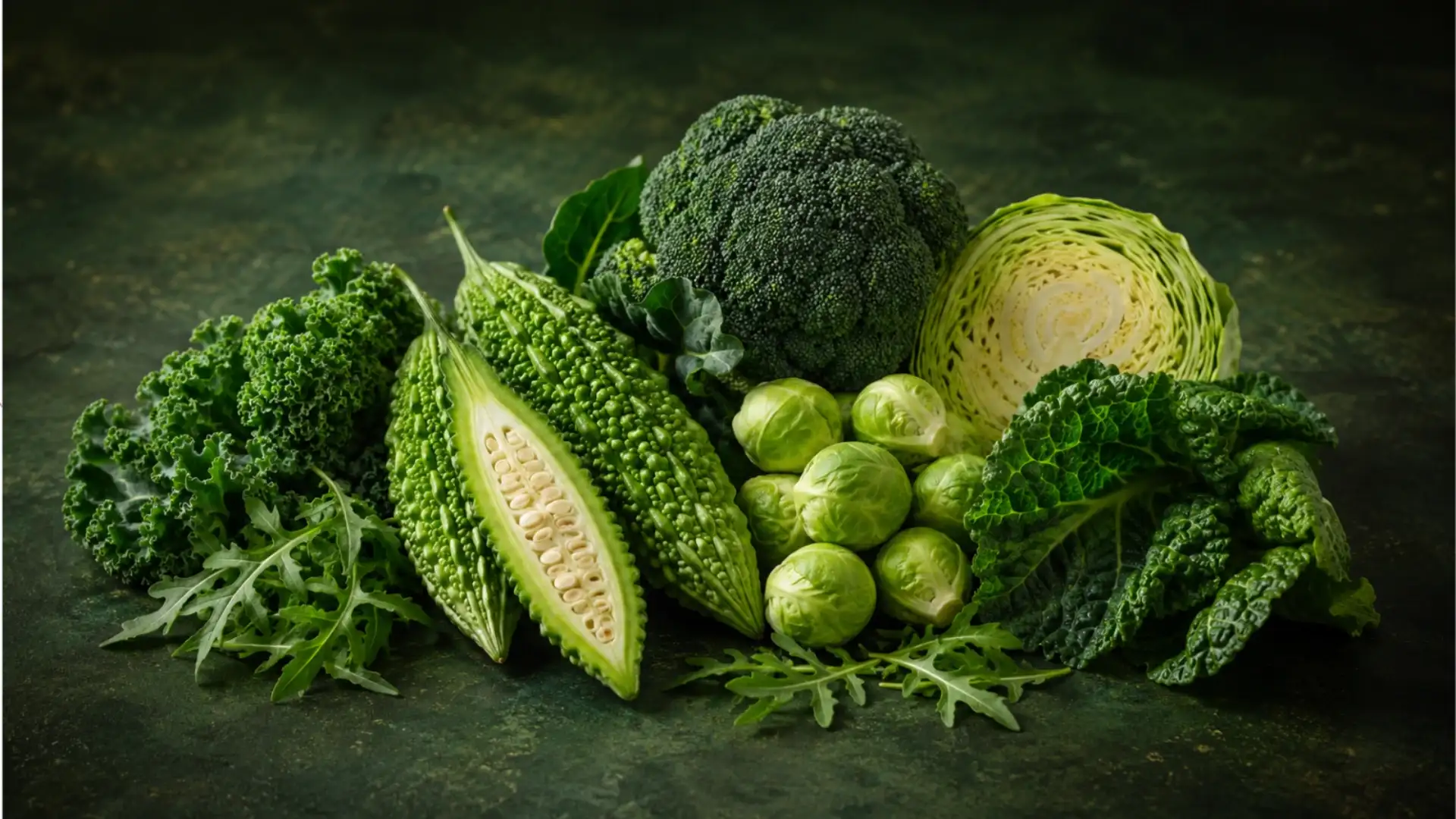
Many bitter vegetables contain substances such as glucosinolates, alkaloids and flavonoids. These naturally occurring chemicals create strong flavours that discourage pests and protect the plant from damage. In some cases, the same compounds also help plants resist diseases caused by fungi and bacteria.
This remarkable defence system has evolved over millions of years, allowing many vegetable species to survive in challenging environments.
However, not all bitter substances are harmful. Many vegetables contain bitter compounds that are completely safe and even beneficial. Our brains still react cautiously to bitterness because of this ancient evolutionary connection.
Interestingly, genetics also influence how bitter foods taste. Some people are naturally more sensitive to compounds found in vegetables such as broccoli or Brussels sprouts, making these foods seem much stronger than they do to others.
Cruciferous vegetables , including broccoli, cabbage and kale, contain glucosinolates that have been widely studied for their antioxidant properties. Leafy greens rich in flavonoids may help protect cells from oxidative stress, while bitter vegetables also provide vitamins, minerals and dietary fibre that support overall health.
Bitter foods can also encourage saliva production and stimulate digestion, helping the body process meals more efficiently.
This is one reason nutrition experts continue to recommend eating a wide variety of colourful vegetables, even if some of them have stronger flavours.
Through centuries of selective breeding, farmers have favoured plants with milder flavours because consumers generally prefer sweeter or less intense vegetables. Modern Brussels sprouts, for example, are significantly less bitter than the varieties commonly grown several decades ago.
Growing conditions also affect bitterness. Weather, soil quality, water availability and harvesting time all influence the concentration of natural plant chemicals. Even the same vegetable can taste different depending on where and when it was grown.
Cooking methods make a difference as well. Roasting caramelises natural sugars, steaming softens strong flavours and combining bitter vegetables with healthy fats can create a more balanced taste.
Coffee, dark chocolate and many herbal teas also contain bitter compounds, yet millions of people grow to enjoy them. This shows that bitterness can become an acquired taste rather than something to avoid.
Scientists are even exploring how certain bitter compounds could play a role in developing future medicines because many possess unique biological properties.
Understanding why vegetables are bitter also helps consumers appreciate that flavour is often linked to nutrition. Instead of viewing bitterness as a defect, it can be seen as evidence of the remarkable chemistry that allows plants to survive and thrive.
The next time you taste a slightly bitter vegetable, remember that its flavour tells an extraordinary story of evolution, survival and health. What once protected plants from hungry predators now offers humans a valuable source of nutrition, proving that nature's most unusual flavours often come with the greatest rewards.
Why Plants Produce Bitter Compounds
The primary reason some vegetables are naturally bitter is defence. Unlike animals, plants cannot run away from insects, grazing animals or other threats. Instead, they produce chemical compounds that make them less appealing to anything trying to eat them.Many bitter vegetables contain substances such as glucosinolates, alkaloids and flavonoids. These naturally occurring chemicals create strong flavours that discourage pests and protect the plant from damage. In some cases, the same compounds also help plants resist diseases caused by fungi and bacteria.
This remarkable defence system has evolved over millions of years, allowing many vegetable species to survive in challenging environments.
Why Humans Taste Bitterness
Humans have specialised taste receptors designed to detect bitter compounds. Scientists believe this ability evolved because many poisonous plants contain bitter chemicals. Our ancestors who could recognise bitterness were less likely to consume toxic foods, increasing their chances of survival.However, not all bitter substances are harmful. Many vegetables contain bitter compounds that are completely safe and even beneficial. Our brains still react cautiously to bitterness because of this ancient evolutionary connection.
Interestingly, genetics also influence how bitter foods taste. Some people are naturally more sensitive to compounds found in vegetables such as broccoli or Brussels sprouts, making these foods seem much stronger than they do to others.
The Health Benefits Hidden Behind the Bitterness
The compounds responsible for bitterness are often the same ones that provide important health benefits.Cruciferous vegetables , including broccoli, cabbage and kale, contain glucosinolates that have been widely studied for their antioxidant properties. Leafy greens rich in flavonoids may help protect cells from oxidative stress, while bitter vegetables also provide vitamins, minerals and dietary fibre that support overall health.
Bitter foods can also encourage saliva production and stimulate digestion, helping the body process meals more efficiently.
This is one reason nutrition experts continue to recommend eating a wide variety of colourful vegetables, even if some of them have stronger flavours.
Why Modern Vegetables Taste Less Bitter
Many vegetables available in supermarkets today are far less bitter than their wild ancestors.Through centuries of selective breeding, farmers have favoured plants with milder flavours because consumers generally prefer sweeter or less intense vegetables. Modern Brussels sprouts, for example, are significantly less bitter than the varieties commonly grown several decades ago.
Growing conditions also affect bitterness. Weather, soil quality, water availability and harvesting time all influence the concentration of natural plant chemicals. Even the same vegetable can taste different depending on where and when it was grown.
You may also like
- Investment: If you want to become a crorepati by investing in SIPs, avoid making these mistakes at all costs..
- LPG Subsidy: How many cylinders will be subsidized under the Ujjwala Yojana in a year? Do this immediately to get the ₹300 subsidy..
- Significance of August 5, 2026: A Day for Devotion and Reflection
- “Once you've been raised by Asian parents, you need therapy for life”: Nvidia CEO Jensen Huang shares why constant criticism by parents made him humble; 5 parenting lessons to take home
- Government Scheme: This scheme proved to be a non-starter; data presented in Parliament reveals employee disillusionment.
Cooking methods make a difference as well. Roasting caramelises natural sugars, steaming softens strong flavours and combining bitter vegetables with healthy fats can create a more balanced taste.
Surprising Facts About Bitter Vegetables
Not all bitterness is permanent. Taste preferences often change with age and repeated exposure. Children usually find bitter vegetables more unpleasant because they have more sensitive taste buds, but adults often learn to appreciate these complex flavours.Coffee, dark chocolate and many herbal teas also contain bitter compounds, yet millions of people grow to enjoy them. This shows that bitterness can become an acquired taste rather than something to avoid.
Scientists are even exploring how certain bitter compounds could play a role in developing future medicines because many possess unique biological properties.
Why Bitterness Still Matters Today
In an age of highly processed foods packed with sugar and salt, naturally bitter vegetables remind us that healthy eating is not always about instant gratification. These vegetables continue to provide nutrients that support long-term wellbeing while reflecting millions of years of plant evolution.Understanding why vegetables are bitter also helps consumers appreciate that flavour is often linked to nutrition. Instead of viewing bitterness as a defect, it can be seen as evidence of the remarkable chemistry that allows plants to survive and thrive.
The next time you taste a slightly bitter vegetable, remember that its flavour tells an extraordinary story of evolution, survival and health. What once protected plants from hungry predators now offers humans a valuable source of nutrition, proving that nature's most unusual flavours often come with the greatest rewards.






Loving Newspoint? Download the app now
