
Why Bats Are Nature’s Silent Gardeners and Why Their Role in Pollination Deserves More Attention

Bats are frequently associated with dark caves and the night sky, but their contribution to nature goes far beyond these common images. Among their most valuable ecological roles is pollination, a process that allows many flowering plants to reproduce. As bats travel from flower to flower in search of nectar, they unknowingly carry pollen on their fur, helping plants produce fruits and seeds. Their work supports forests, wildlife and even human food systems. Understanding how bats help pollination offers a fresh perspective on these remarkable mammals and highlights why conserving them is crucial for a healthy environment.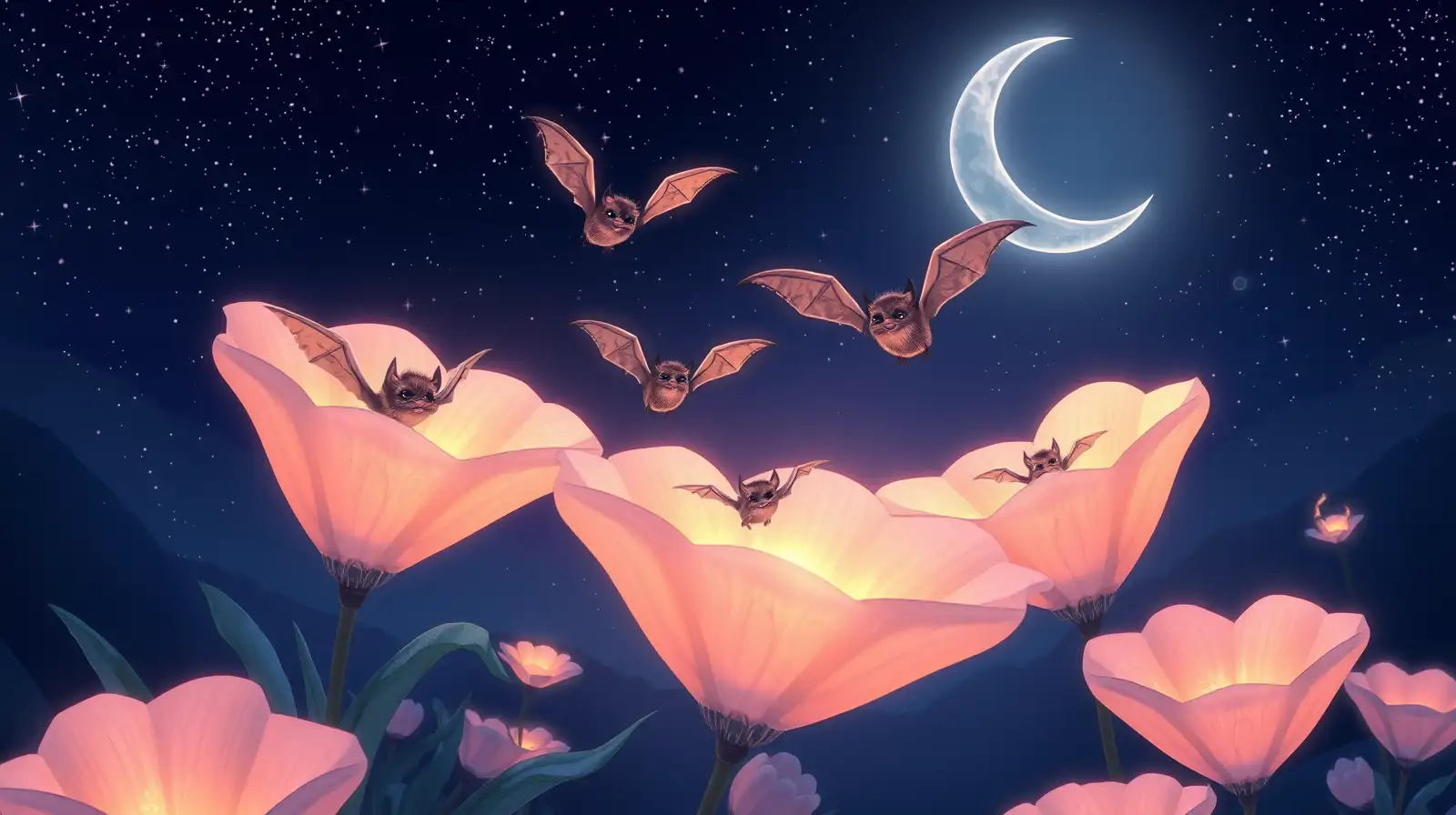
As a bat inserts its snout into a flower to drink nectar, pollen sticks to its face and body. When it visits another flower, some of this pollen is transferred, allowing fertilisation to occur. This natural process, known as bat pollination , helps plants reproduce efficiently.
Several plants rely heavily on bats for successful pollination. These include species that produce fruits, fibres and valuable forest resources. Without bats, many plants would struggle to reproduce naturally, affecting wildlife that depends on those plants for food and shelter.
Bat pollination also benefits agriculture in certain parts of the world, where crops such as agave and some tropical fruits depend on bats. Their contribution supports biodiversity conservation while promoting sustainable food production.
In addition to pollination, many bat species consume large numbers of insects every night. This natural pest control reduces pressure on crops and helps limit the need for chemical pesticides, making bats valuable allies for farmers.
Protecting forests, preserving natural habitats and raising awareness about their environmental value are key steps towards conserving bat populations. Simple conservation efforts can help ensure that bats continue supporting plant reproduction and healthy ecosystems.
Bats may work under the cover of darkness, but their impact is visible everywhere in nature. By helping pollinate flowers, supporting biodiversity and contributing to thriving ecosystems, these remarkable mammals quietly perform one of the planet's most essential environmental services. Appreciating and protecting bats benefits not only wildlife but also the natural systems that people rely on every day.
How Bats Pollinate Flowers
Many bat species feed on nectar, particularly in tropical and subtropical regions. These bats are attracted to large, pale-coloured flowers that bloom at night and produce a strong fragrance.As a bat inserts its snout into a flower to drink nectar, pollen sticks to its face and body. When it visits another flower, some of this pollen is transferred, allowing fertilisation to occur. This natural process, known as bat pollination , helps plants reproduce efficiently.
Why Bat Pollination Matters
Bats are important pollinating animals because they can travel long distances in a single night. This enables them to spread pollen across wide areas, increasing genetic diversity among plant populations.Several plants rely heavily on bats for successful pollination. These include species that produce fruits, fibres and valuable forest resources. Without bats, many plants would struggle to reproduce naturally, affecting wildlife that depends on those plants for food and shelter.
You may also like
- The reason this mother accepted the title of 'World's Ugliest Woman' will break your heart
- Spider-Man: Brand New Day's Trailer Breaks Records with 590.8 Million Views
- Danish proverb of the day: “Don't sail out farther than you…”
- The Extraordinary Journey of Mako Nishimura: From Yakuza to Redemption
- Fridge Safety: This Woman Got A Shock While Cleaning Her Fridge, Don't Make These Mistakes
Benefits for Ecosystems and Agriculture
The importance of bats extends beyond forests. Healthy plant populations support birds, insects and countless other animals, helping maintain ecosystem balance .Bat pollination also benefits agriculture in certain parts of the world, where crops such as agave and some tropical fruits depend on bats. Their contribution supports biodiversity conservation while promoting sustainable food production.
In addition to pollination, many bat species consume large numbers of insects every night. This natural pest control reduces pressure on crops and helps limit the need for chemical pesticides, making bats valuable allies for farmers.
Protecting These Night-Time Pollinators
Despite their ecological importance, bat populations face several threats, including habitat loss, climate change and disturbance of roosting sites. Misconceptions about bats have also led to unnecessary persecution in many areas.Protecting forests, preserving natural habitats and raising awareness about their environmental value are key steps towards conserving bat populations. Simple conservation efforts can help ensure that bats continue supporting plant reproduction and healthy ecosystems.
Bats may work under the cover of darkness, but their impact is visible everywhere in nature. By helping pollinate flowers, supporting biodiversity and contributing to thriving ecosystems, these remarkable mammals quietly perform one of the planet's most essential environmental services. Appreciating and protecting bats benefits not only wildlife but also the natural systems that people rely on every day.






More from our partners


Loving Newspoint? Download the app now
