
Why Camels Can Survive in the Desert Like No Other Animal

Camels are among nature's most remarkable survivors. While the harsh desert environment is known for extreme heat, limited water and scarce vegetation, these animals have evolved a range of unique adaptations that help them thrive where many others cannot. Here's what makes camels true masters of desert survival.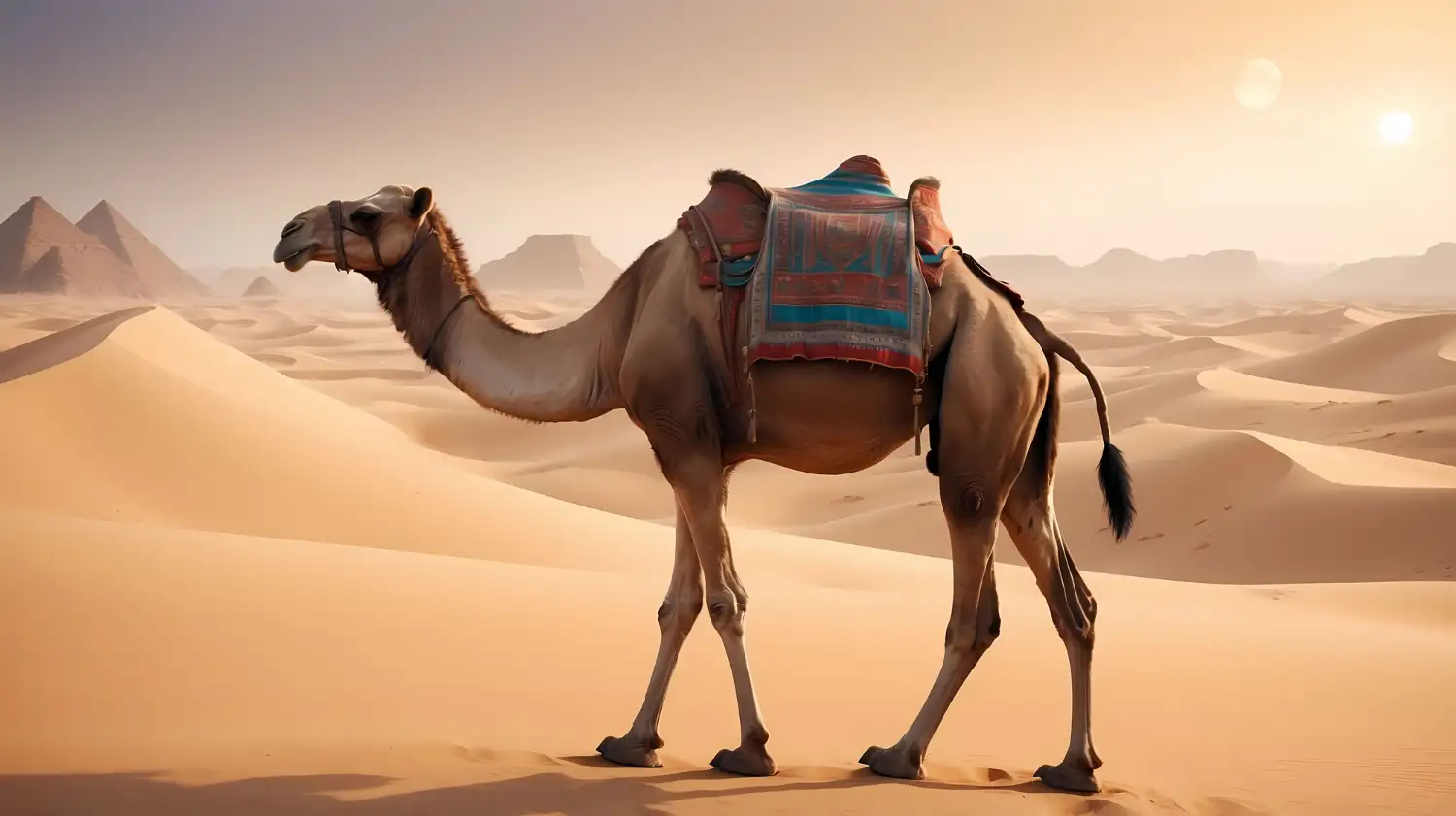
They Store Fat, Not Water, in Their Humps
A common myth is that camels store water in their humps. In reality, their humps store fat, which serves as an energy reserve when food is scarce. When needed, this fat is broken down by the body to provide energy and also produces a small amount of metabolic water as a by-product.
They Can Go Days Without Drinking
Camels are incredibly efficient at conserving water. Depending on factors such as temperature, activity and the availability of moisture in their food, they can survive for several days or even longer without drinking. When water is available, they can rapidly rehydrate by consuming large quantities in a short time.
Their Body Temperature Changes Throughout the Day
Unlike many animals that maintain a nearly constant body temperature, camels allow theirs to fluctuate over the course of the day. This reduces the need for sweating during hot daylight hours, helping them conserve valuable body water.
They Produce Very Little Sweat
Camels sweat far less than most mammals living in similar conditions. Their thick coat provides insulation from the sun, slowing heat gain and reducing water loss through perspiration.
Their Nostrils Help Save Water
A camel's nostrils can close to keep out blowing sand during desert storms. They also help reduce moisture loss by recovering some water from exhaled air before it leaves the body.
Long Eyelashes and Thick Eyebrows Protect Their Eyes
Desert winds often carry sand that can irritate or damage the eyes. Camels have long, double rows of eyelashes and bushy eyebrows that act as natural shields while still allowing them to see clearly.
Wide, Padded Feet Prevent Sinking
Camels have broad feet with thick, cushioned pads that spread their weight over a larger surface area. This design helps them walk across soft sand without sinking deeply.
Tough Lips Let Them Eat Thorny Plants
Food is often scarce in deserts, but camels can feed on dry grasses, salty shrubs and thorny plants that many other animals avoid. Their thick, leathery lips protect their mouths from sharp spines.
Highly Efficient Kidneys and Intestines
Camels lose very little water through waste. Their kidneys produce highly concentrated urine, while their intestines absorb as much water as possible, resulting in very dry dung. These adaptations are essential for surviving in arid environments.
They Recover Quickly After Dehydration
Camels can tolerate significant dehydration that would be dangerous for most mammals. Once they find water, they rehydrate efficiently, allowing them to recover from long periods of water scarcity.
Camels are perfectly adapted for life in some of the world's toughest environments. From storing fat in their humps and conserving water to protecting themselves from sand and scorching temperatures, every feature of their body helps them survive the challenges of the desert. These remarkable adaptations have made camels indispensable companions for people living in arid regions for thousands of years.
They Store Fat, Not Water, in Their Humps
A common myth is that camels store water in their humps. In reality, their humps store fat, which serves as an energy reserve when food is scarce. When needed, this fat is broken down by the body to provide energy and also produces a small amount of metabolic water as a by-product. They Can Go Days Without Drinking
Camels are incredibly efficient at conserving water. Depending on factors such as temperature, activity and the availability of moisture in their food, they can survive for several days or even longer without drinking. When water is available, they can rapidly rehydrate by consuming large quantities in a short time.Their Body Temperature Changes Throughout the Day
Unlike many animals that maintain a nearly constant body temperature, camels allow theirs to fluctuate over the course of the day. This reduces the need for sweating during hot daylight hours, helping them conserve valuable body water. They Produce Very Little Sweat
Camels sweat far less than most mammals living in similar conditions. Their thick coat provides insulation from the sun, slowing heat gain and reducing water loss through perspiration.You may also like
- From Anand to The Good Doctor: Why real doctors love these reel doctors
- Understanding Dharma: Can India's spiritual wisdom heal a fractured world?
- The Truth About Water Breaking: What the Movies Get Wrong
- Meet Ashish Kumar Verma: IIT Delhi dropout who joined Microsoft at just 19, became one of the world's youngest Google Developer Experts
- Summer shades, but only bigger
Their Nostrils Help Save Water
A camel's nostrils can close to keep out blowing sand during desert storms. They also help reduce moisture loss by recovering some water from exhaled air before it leaves the body. Long Eyelashes and Thick Eyebrows Protect Their Eyes
Desert winds often carry sand that can irritate or damage the eyes. Camels have long, double rows of eyelashes and bushy eyebrows that act as natural shields while still allowing them to see clearly. Wide, Padded Feet Prevent Sinking
Camels have broad feet with thick, cushioned pads that spread their weight over a larger surface area. This design helps them walk across soft sand without sinking deeply. Tough Lips Let Them Eat Thorny Plants
Food is often scarce in deserts, but camels can feed on dry grasses, salty shrubs and thorny plants that many other animals avoid. Their thick, leathery lips protect their mouths from sharp spines.Highly Efficient Kidneys and Intestines
Camels lose very little water through waste. Their kidneys produce highly concentrated urine, while their intestines absorb as much water as possible, resulting in very dry dung. These adaptations are essential for surviving in arid environments. They Recover Quickly After Dehydration
Camels can tolerate significant dehydration that would be dangerous for most mammals. Once they find water, they rehydrate efficiently, allowing them to recover from long periods of water scarcity. Camels are perfectly adapted for life in some of the world's toughest environments. From storing fat in their humps and conserving water to protecting themselves from sand and scorching temperatures, every feature of their body helps them survive the challenges of the desert. These remarkable adaptations have made camels indispensable companions for people living in arid regions for thousands of years.






More from our partners


Loving Newspoint? Download the app now
