
Why Camels Can Survive in the Desert Like No Other Animal

Camels are among nature's most remarkable survivors. While the harsh desert environment is known for extreme heat, limited water and scarce vegetation, these animals have evolved a range of unique adaptations that help them thrive where many others cannot. Here's what makes camels true masters of desert survival.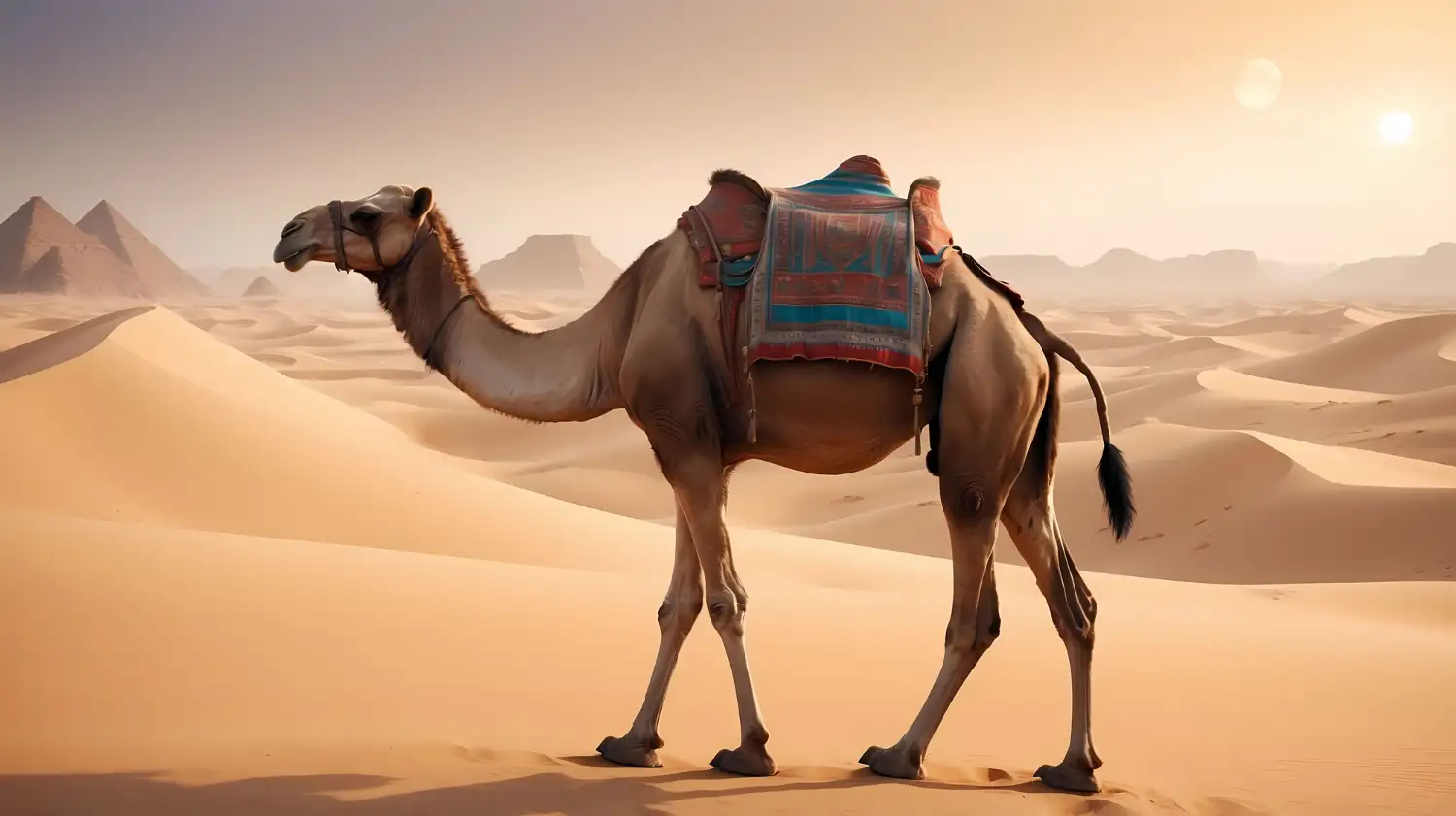
They Store Fat, Not Water, in Their Humps
A common myth is that camels store water in their humps. In reality, their humps store fat, which serves as an energy reserve when food is scarce. When needed, this fat is broken down by the body to provide energy and also produces a small amount of metabolic water as a by-product.
They Can Go Days Without Drinking
Camels are incredibly efficient at conserving water. Depending on factors such as temperature, activity and the availability of moisture in their food, they can survive for several days or even longer without drinking. When water is available, they can rapidly rehydrate by consuming large quantities in a short time.
Their Body Temperature Changes Throughout the Day
Unlike many animals that maintain a nearly constant body temperature, camels allow theirs to fluctuate over the course of the day. This reduces the need for sweating during hot daylight hours, helping them conserve valuable body water.
They Produce Very Little Sweat
Camels sweat far less than most mammals living in similar conditions. Their thick coat provides insulation from the sun, slowing heat gain and reducing water loss through perspiration.
They Store Fat, Not Water, in Their Humps
A common myth is that camels store water in their humps. In reality, their humps store fat, which serves as an energy reserve when food is scarce. When needed, this fat is broken down by the body to provide energy and also produces a small amount of metabolic water as a by-product. They Can Go Days Without Drinking
Camels are incredibly efficient at conserving water. Depending on factors such as temperature, activity and the availability of moisture in their food, they can survive for several days or even longer without drinking. When water is available, they can rapidly rehydrate by consuming large quantities in a short time.Their Body Temperature Changes Throughout the Day
Unlike many animals that maintain a nearly constant body temperature, camels allow theirs to fluctuate over the course of the day. This reduces the need for sweating during hot daylight hours, helping them conserve valuable body water. They Produce Very Little Sweat
Camels sweat far less than most mammals living in similar conditions. Their thick coat provides insulation from the sun, slowing heat gain and reducing water loss through perspiration.Next Story