
Why Ceiling Fans Get Dusty Faster Than Other Things in Your Home

A freshly cleaned ceiling fan can look spotless one day and surprisingly dusty just a short time later. The problem is particularly noticeable during warmer months, when fans run for hours every day. It may seem as though dust simply settles on the blades, but there is more happening in the air around them. A moving fan changes airflow, attracts and redistributes tiny particles, and creates conditions that allow dust to remain on its surfaces. The shape and material of the blades also play a part. Understanding why ceiling fans collect dust so quickly can make cleaning easier and explain what is really floating around inside our homes.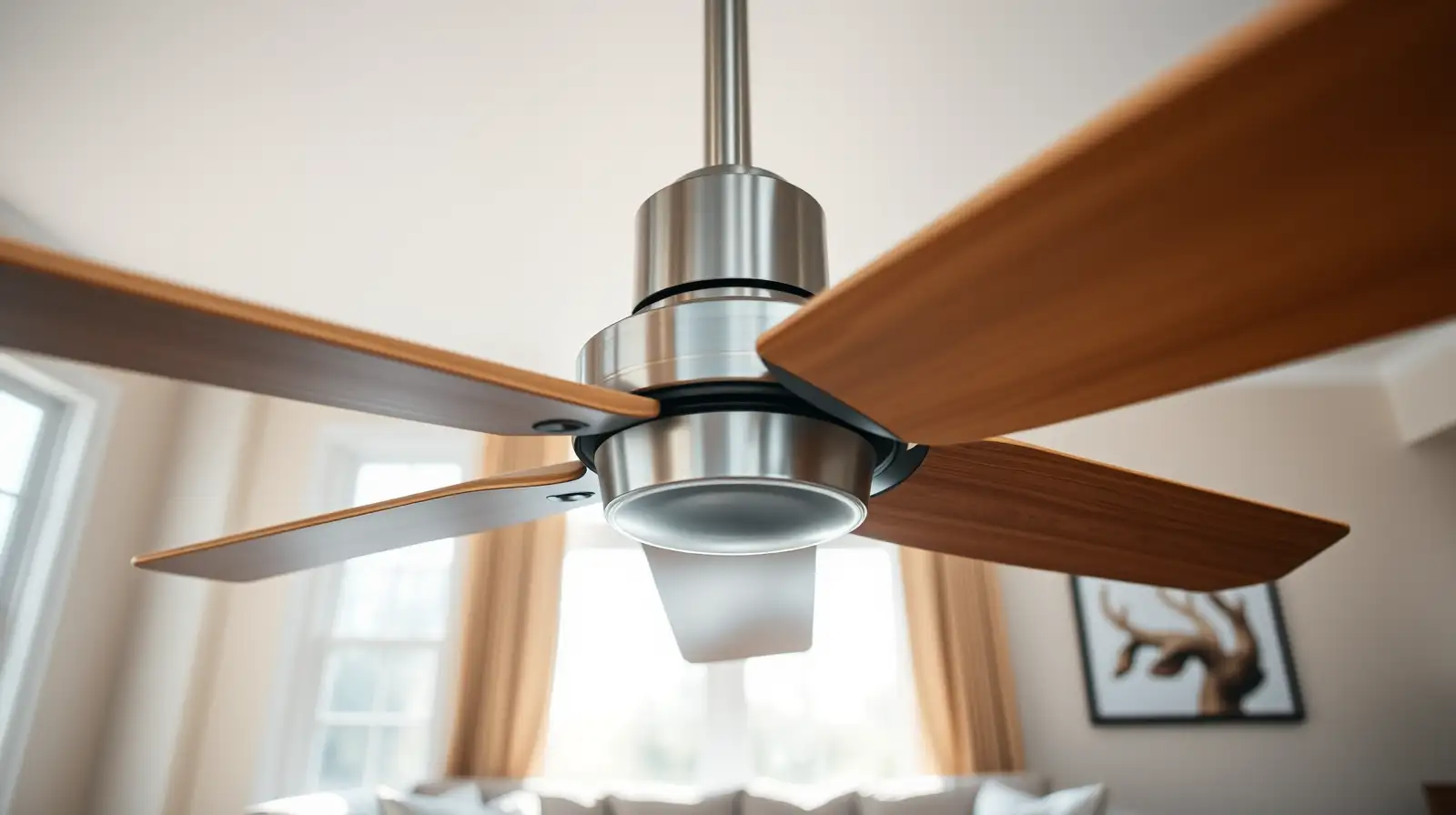
When a ceiling fan is running, its blades move large amounts of air around the room. This movement can keep some particles suspended for longer instead of allowing them to settle immediately.
Eventually, however, particles can land on the blades. The constant movement means the fan repeatedly passes through the same dusty indoor air, making it an obvious collection point over time.
This can make certain particles more likely to cling to surfaces rather than simply falling away. The effect varies depending on the material, humidity and conditions inside the room, so static electricity is not the only reason fans become dusty, but it can contribute to the problem.
The upper side of the blade is particularly easy to overlook because it is not visible from floor level. This explains why a fan can appear clean from below while carrying a surprisingly thick layer of dust on top.
Dark-coloured fans can make the problem even more noticeable, while dust may remain less obvious on lighter surfaces.
This does not mean every dusty fan releases a dangerous cloud every time it starts. However, regular cleaning can reduce the amount of settled material available to be moved around by airflow.
The effect is especially noticeable in rooms that are rarely cleaned, near open windows or in homes where fans operate continuously.
Fans near kitchens may also accumulate a mixture of dust and tiny airborne grease particles, which can create a sticky layer that is harder to remove. Fans near windows can collect more outdoor dust, pollen and other particles entering the home.
Cleaning the upper surfaces is particularly important because that is where much of the visible accumulation begins. It is also sensible to switch the fan off before cleaning and allow the blades to stop completely.
Moving Air Changes Where Dust Travels
Household dust is made up of a mixture of tiny particles, including fibres from clothing and furnishings, skin flakes, soil particles, pollen and other material brought indoors. According to the US Environmental Protection Agency, indoor particulate matter can come from both indoor activities and outdoor air entering buildings. (epa.gov)When a ceiling fan is running, its blades move large amounts of air around the room. This movement can keep some particles suspended for longer instead of allowing them to settle immediately.
Eventually, however, particles can land on the blades. The constant movement means the fan repeatedly passes through the same dusty indoor air, making it an obvious collection point over time.
Static Electricity Can Help Dust Stick
Static electricity is another part of the story. Dust particles can carry electrical charges, while surfaces can also develop static charges through friction and contact with surrounding materials.This can make certain particles more likely to cling to surfaces rather than simply falling away. The effect varies depending on the material, humidity and conditions inside the room, so static electricity is not the only reason fans become dusty, but it can contribute to the problem.
The Shape of Fan Blades Matters
Ceiling fan blades are designed to move air efficiently, not to resist dust. Their broad, relatively flat surfaces provide plenty of area for particles to settle.The upper side of the blade is particularly easy to overlook because it is not visible from floor level. This explains why a fan can appear clean from below while carrying a surprisingly thick layer of dust on top.
Dark-coloured fans can make the problem even more noticeable, while dust may remain less obvious on lighter surfaces.
You may also like
- Update your EPFO account immediately after getting married, or else all your money could get stuck..
- VIP vehicle number: Last chance to get a VIP vehicle number! Apply today for the UP 16 FV series..
- Thai cinema takes centre stage in Kolkata with three-day film festival
- How Do QR Codes Store Information? Understanding the Technology Behind Them
- Don't panic if the traffic police suddenly stop you on the road! Keep these 4 documents—including your DL and RC—with you..
Why Fans Can Spread Dust Around the Room
A dusty fan is not simply a cosmetic problem. When the blades start moving, accumulated particles can be disturbed and redistributed into the room.This does not mean every dusty fan releases a dangerous cloud every time it starts. However, regular cleaning can reduce the amount of settled material available to be moved around by airflow.
The effect is especially noticeable in rooms that are rarely cleaned, near open windows or in homes where fans operate continuously.
Why Humidity and Location Make a Difference
Indoor conditions also influence how quickly dust accumulates. Dry environments can encourage particles to remain airborne, while moisture can cause some dust to adhere more strongly to surfaces.Fans near kitchens may also accumulate a mixture of dust and tiny airborne grease particles, which can create a sticky layer that is harder to remove. Fans near windows can collect more outdoor dust, pollen and other particles entering the home.
How to Keep Ceiling Fans Cleaner
Regular dusting is the simplest solution. Instead of waiting until a thick layer forms, wipe the blades periodically using a suitable microfibre cloth or a dedicated fan-cleaning tool.Cleaning the upper surfaces is particularly important because that is where much of the visible accumulation begins. It is also sensible to switch the fan off before cleaning and allow the blades to stop completely.






Loving Newspoint? Download the app now
