
Why Chitrakoot Is More Than a Pilgrimage Destination: Nature, History and Hidden Wonders

Chitrakoot is widely known for its deep connection with the Ramayana and its importance as a Hindu pilgrimage destination. However, this peaceful region on the border of Uttar Pradesh and Madhya Pradesh offers much more than temples and religious rituals. Surrounded by the Vindhya hills, dotted with forests and shaped by the flow of the Mandakini River, Chitrakoot has a distinctive landscape that appeals to nature lovers, history enthusiasts, photographers and travellers looking for a quieter escape. Its ancient caves, riverside ghats, traditional culture and scenic surroundings reveal a different side of this destination, making it worth exploring beyond its spiritual reputation.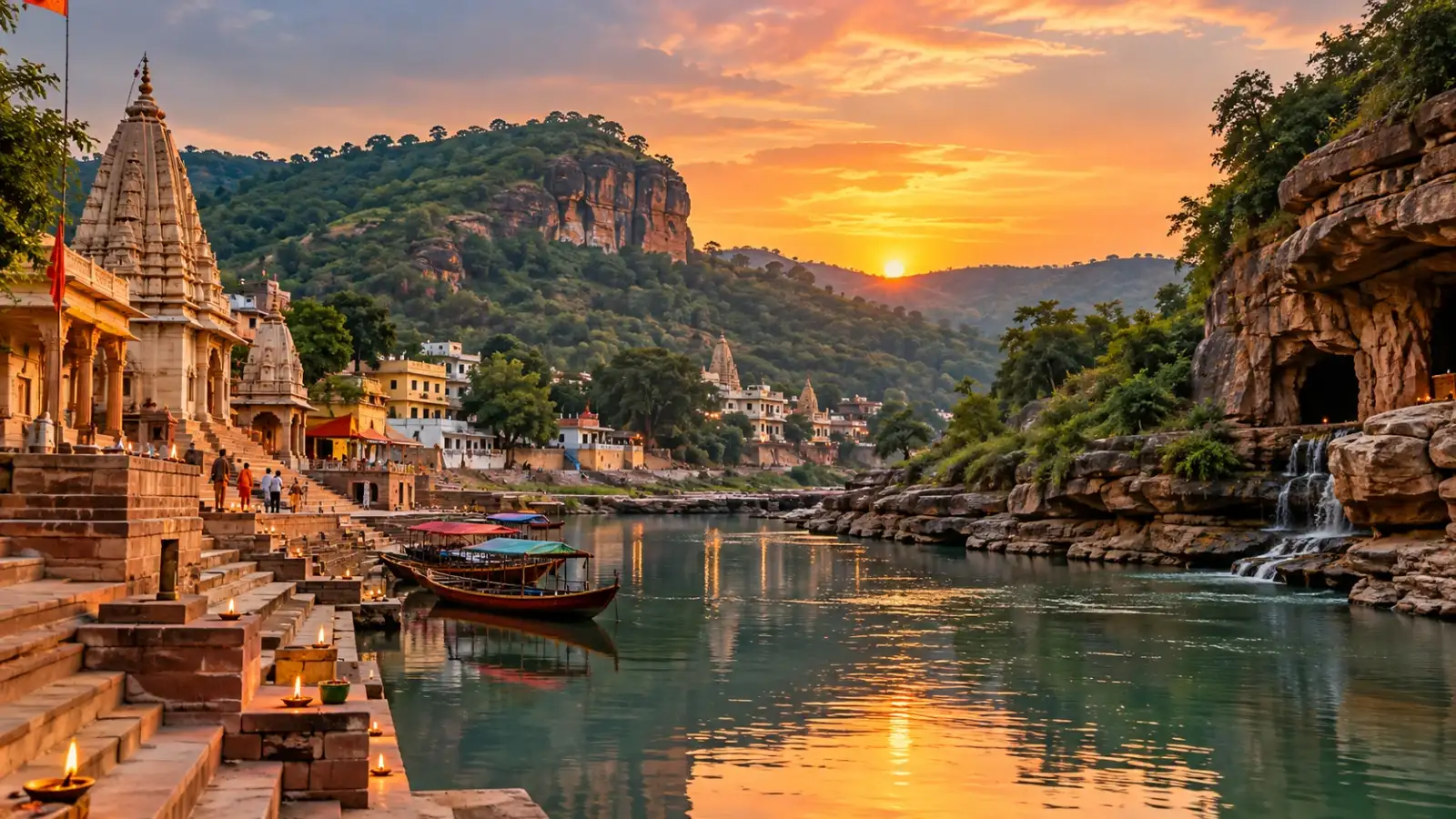
The Mandakini River, also known as the Payaswini in this region, is central to the local landscape. Its banks provide peaceful spots to sit, observe daily life or watch the changing colours of the sky. During and after the monsoon, the surrounding vegetation can become particularly attractive, although rain may also affect road conditions and access to some outdoor sites.
For travellers who enjoy slow journeys, Chitrakoot offers opportunities to explore the countryside, appreciate its natural scenery and spend time away from crowded commercial tourist centres.
Local traditions associate the caves with Lord Rama and his brother Lakshmana. Natural rock formations resembling seats have contributed to stories about the brothers holding court here. These associations are part of the site's cultural significance, while the caves themselves also interest visitors who appreciate unusual geological settings.
Travellers should wear footwear suitable for uneven surfaces and follow local instructions, particularly when water levels are higher or the ground is slippery.
Early mornings can be particularly rewarding for visitors who want to observe the river in a quieter atmosphere. As the day progresses, the ghat becomes busier with pilgrims, residents, vendors and visitors.
The evening aarti is another memorable experience. Lamps, devotional singing and the movement of people along the river create a distinctive atmosphere. Even travellers who do not visit primarily for religious reasons can appreciate the cultural traditions and community life that unfold here.
Photography is best approached respectfully, especially during prayers and private religious moments.
Further afield, Kalinjar Fort provides a broader historical perspective. Located beyond the immediate Chitrakoot town area, this historic fort is associated with regional power struggles and centuries of changing political influence. Its setting among rugged terrain makes it particularly interesting for visitors who enjoy heritage exploration.
These places can add depth to a trip, showing how the wider Bundelkhand region has been shaped by architecture, dynasties, local traditions and changing patterns of settlement.
Nearby Rajapur is associated with Goswami Tulsidas, the poet traditionally credited with composing the Ramcharitmanas. A visit to this area can help travellers understand the literary and cultural influence that devotional poetry continues to have across northern India.
Local markets provide another window into regional life. Visitors may find traditional sweets, everyday handicrafts and locally made wooden products. Chitrakoot is also known for lacquered wooden craftsmanship, making such items worth looking out for when shopping for souvenirs.
Exploring these details at an unhurried pace can make a visit feel more connected to the place and its people.
Ranipur Tiger Reserve, located in the wider Chitrakoot region of Uttar Pradesh, is an option for travellers interested in wildlife and forest landscapes. The experience depends on the season, authorised access and current forest regulations, so visitors should check local guidance before planning a trip.
The countryside can also appeal to birdwatchers and photographers who enjoy observing natural surroundings without a tightly packed sightseeing schedule. Wildlife sightings are never guaranteed, and visitors should maintain a safe distance from animals and avoid disturbing their habitats.
Those planning outdoor activities should carry drinking water, use suitable footwear and check weather conditions before setting out.
Visitors can also look for traditional sweets such as peda and jalebi in local markets and sweet shops. Availability and preparation styles may vary, so asking local residents for recommendations can be a useful way to discover popular neighbourhood options.
Rather than treating meals as quick breaks between attractions, travellers can use them as opportunities to experience local hospitality and observe the everyday pace of the town.
A short visit can cover major attractions such as Ramghat, Kamadgiri, Hanuman Dhara and Gupt Godavari. Staying longer makes it easier to explore places outside the main town, discover regional architecture and spend more time in nature.
The best time for general sightseeing is usually October to March, when conditions are often more comfortable than during the peak summer months. The monsoon season can bring greener landscapes and attractive waterfalls, but heavy rain may affect travel plans. Visitors should check current local conditions before travelling.
Travellers interested in wildlife or longer excursions can set aside additional time for the surrounding countryside. Planning transport in advance is advisable, as attractions outside the main town may require separate journeys.
Chitrakoot's real appeal lies in the way its different elements come together. Its religious traditions are inseparable from its landscape, history and local culture, but they do not tell the entire story. For anyone willing to look beyond the familiar pilgrimage route, Chitrakoot offers a richer travel experience built around nature, heritage, everyday life and a slower pace of discovery.
1. A Landscape Shaped by Hills, Forests and Rivers
One of Chitrakoot's biggest attractions is its natural setting. Located in the northern Vindhya range, the region features rocky hills, green stretches, wooded areas and riverbanks that offer a welcome break from busy city life.The Mandakini River, also known as the Payaswini in this region, is central to the local landscape. Its banks provide peaceful spots to sit, observe daily life or watch the changing colours of the sky. During and after the monsoon, the surrounding vegetation can become particularly attractive, although rain may also affect road conditions and access to some outdoor sites.
For travellers who enjoy slow journeys, Chitrakoot offers opportunities to explore the countryside, appreciate its natural scenery and spend time away from crowded commercial tourist centres.
2. Gupt Godavari Caves Offer a Different Kind of Exploration
The Gupt Godavari caves are among the region's most intriguing attractions. These natural caves contain a small stream that flows into pools inside the rocky formations. The dim interiors, unusual rock surfaces and narrow passages create an experience quite different from visiting a conventional temple.Local traditions associate the caves with Lord Rama and his brother Lakshmana. Natural rock formations resembling seats have contributed to stories about the brothers holding court here. These associations are part of the site's cultural significance, while the caves themselves also interest visitors who appreciate unusual geological settings.
Travellers should wear footwear suitable for uneven surfaces and follow local instructions, particularly when water levels are higher or the ground is slippery.
3. Ramghat Reveals the Rhythm of Local Life
Ramghat is one of Chitrakoot's best-known riverside locations, but its appeal extends beyond religious importance. The stepped riverbank, colourful boats and surrounding activity offer a glimpse into the everyday rhythm of the town.Early mornings can be particularly rewarding for visitors who want to observe the river in a quieter atmosphere. As the day progresses, the ghat becomes busier with pilgrims, residents, vendors and visitors.
The evening aarti is another memorable experience. Lamps, devotional singing and the movement of people along the river create a distinctive atmosphere. Even travellers who do not visit primarily for religious reasons can appreciate the cultural traditions and community life that unfold here.
Photography is best approached respectfully, especially during prayers and private religious moments.
4. Ancient Architecture Tells Stories Beyond the Ramayana
Chitrakoot and its surrounding region contain sites that reflect different aspects of India's architectural and cultural heritage. Ganeshbagh, for example, is known for its historic structures and temple architecture. It offers an opportunity to look beyond the area's most famous pilgrimage sites and appreciate the craftsmanship preserved in its built environment.Further afield, Kalinjar Fort provides a broader historical perspective. Located beyond the immediate Chitrakoot town area, this historic fort is associated with regional power struggles and centuries of changing political influence. Its setting among rugged terrain makes it particularly interesting for visitors who enjoy heritage exploration.
These places can add depth to a trip, showing how the wider Bundelkhand region has been shaped by architecture, dynasties, local traditions and changing patterns of settlement.
5. Chitrakoot's Cultural Heritage Lives Beyond Its Temples
The region's cultural identity is closely connected with the Ramayana, local folklore and devotional traditions. Yet its heritage is not limited to religious monuments. Everyday customs, regional speech, traditional food and local craftsmanship also contribute to its character.Nearby Rajapur is associated with Goswami Tulsidas, the poet traditionally credited with composing the Ramcharitmanas. A visit to this area can help travellers understand the literary and cultural influence that devotional poetry continues to have across northern India.
Local markets provide another window into regional life. Visitors may find traditional sweets, everyday handicrafts and locally made wooden products. Chitrakoot is also known for lacquered wooden craftsmanship, making such items worth looking out for when shopping for souvenirs.
Exploring these details at an unhurried pace can make a visit feel more connected to the place and its people.
6. Nature Lovers Have Reasons to Stay Longer
Chitrakoot's appeal is not restricted to its main town. The surrounding region includes forested areas, hills and natural attractions that can be rewarding for visitors interested in outdoor experiences.Ranipur Tiger Reserve, located in the wider Chitrakoot region of Uttar Pradesh, is an option for travellers interested in wildlife and forest landscapes. The experience depends on the season, authorised access and current forest regulations, so visitors should check local guidance before planning a trip.
The countryside can also appeal to birdwatchers and photographers who enjoy observing natural surroundings without a tightly packed sightseeing schedule. Wildlife sightings are never guaranteed, and visitors should maintain a safe distance from animals and avoid disturbing their habitats.
Those planning outdoor activities should carry drinking water, use suitable footwear and check weather conditions before setting out.
7. Regional Food Adds Another Layer to the Experience
Food is an important part of understanding any destination, and Chitrakoot offers familiar North Indian vegetarian dishes alongside regional flavours. Simple meals featuring dal, seasonal vegetables, roti and rice are widely suited to travellers seeking straightforward local food.Visitors can also look for traditional sweets such as peda and jalebi in local markets and sweet shops. Availability and preparation styles may vary, so asking local residents for recommendations can be a useful way to discover popular neighbourhood options.
You may also like
- Pandavara Batti: The leaves of this plant can burn like cotton in a lamp and give off a camphor like aroma
- DAY 6 KATYAYANI: The Five Questions Anger Must Answer
- Danish parents raise their children to be extremely confident by doing this: 3 habits to try
- From the Ramayana to the runway: How Two Até is giving the traditional Indian paduka a maximalist makeover
- A little girl fell into an open drain in Panipat: The CCTV-captured rescue is a reminder to parents during rains, flooded drains, potholes and road openings can hide dangers children may not see
Rather than treating meals as quick breaks between attractions, travellers can use them as opportunities to experience local hospitality and observe the everyday pace of the town.
8. It Is Well Suited to Slow and Meaningful Travel
Chitrakoot can be especially rewarding for people who prefer a relaxed itinerary instead of rushing between landmarks. The combination of riverside walks, heritage sites, caves, local markets and scenic surroundings allows visitors to shape their trip around their interests.A short visit can cover major attractions such as Ramghat, Kamadgiri, Hanuman Dhara and Gupt Godavari. Staying longer makes it easier to explore places outside the main town, discover regional architecture and spend more time in nature.
The best time for general sightseeing is usually October to March, when conditions are often more comfortable than during the peak summer months. The monsoon season can bring greener landscapes and attractive waterfalls, but heavy rain may affect travel plans. Visitors should check current local conditions before travelling.
How to Experience Chitrakoot Beyond Pilgrimage Tourism
To appreciate Chitrakoot fully, consider combining its well-known spiritual landmarks with lesser-explored experiences. Begin with a morning walk near the Mandakini River, explore the Gupt Godavari caves, spend time observing the architecture of historic sites and visit local markets to discover regional food and crafts.Travellers interested in wildlife or longer excursions can set aside additional time for the surrounding countryside. Planning transport in advance is advisable, as attractions outside the main town may require separate journeys.
Chitrakoot's real appeal lies in the way its different elements come together. Its religious traditions are inseparable from its landscape, history and local culture, but they do not tell the entire story. For anyone willing to look beyond the familiar pilgrimage route, Chitrakoot offers a richer travel experience built around nature, heritage, everyday life and a slower pace of discovery.






Loving Newspoint? Download the app now
