
Why Crocodiles Have One Of The Strongest Bites In The Animal Kingdom And How Nature Designed Their Powerful Jaws

Crocodiles are among the most successful predators in the animal kingdom, having changed relatively little over millions of years of evolution. One of the key reasons for their success is their exceptionally powerful bite. Rather than relying on speed alone, crocodiles use strong jaws to seize and hold prey securely. Their bite strength is the result of specialised jaw muscles, a robust skull and evolutionary adaptations suited to their hunting style. Understanding how these features work together provides insight into why crocodiles are so effective in aquatic environments and why their bite is considered one of the strongest measured among living animals.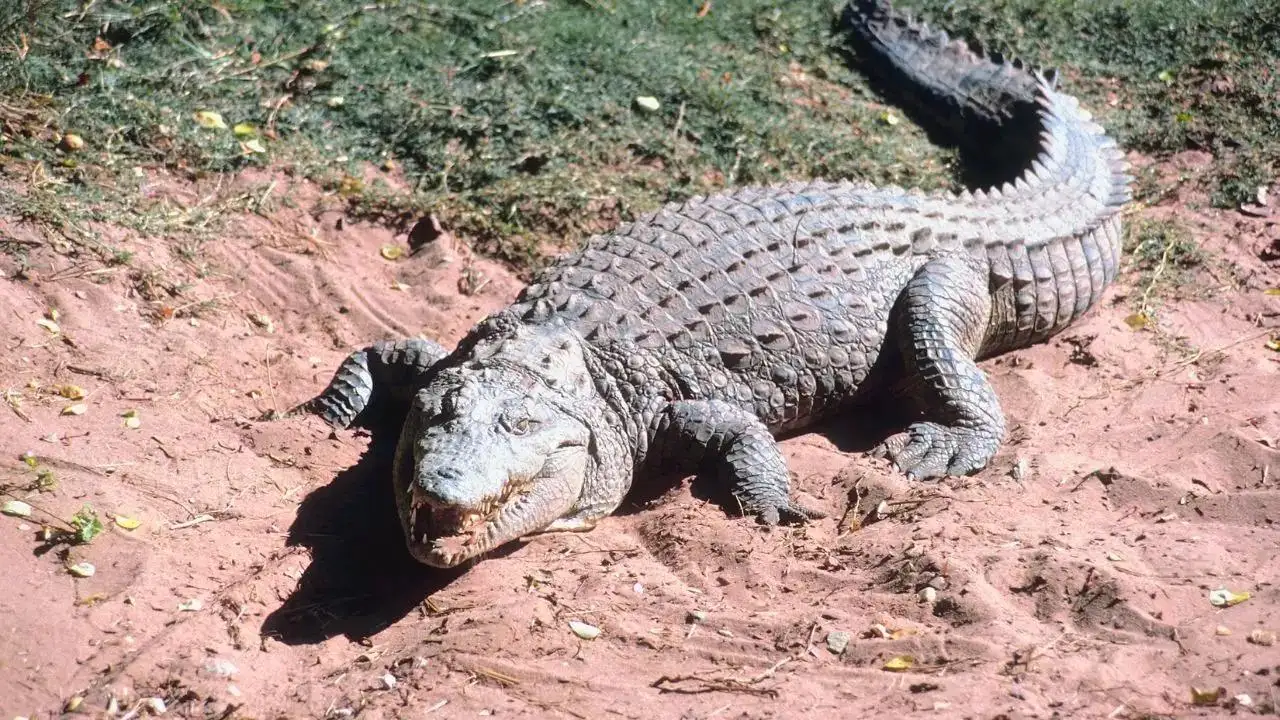
By contrast, the muscles used to open the jaws are much less powerful. This difference reflects how crocodiles feed, as generating a strong closing force is far more important than opening the mouth quickly.
The teeth are conical rather than blade-like. Instead of chewing food, crocodiles use their teeth to grip prey securely. Small prey may be swallowed whole, while larger prey can be broken into manageable pieces using body movements, including the well-documented death roll.
Over millions of years, natural selection has favoured features that improve hunting efficiency, including strong jaws, durable teeth and a body well adapted for aquatic habitats.
The remarkable bite of a crocodile is the result of a combination of powerful jaw muscles, a reinforced skull and evolutionary adaptation. These characteristics enable crocodiles to capture prey effectively and thrive in a wide range of freshwater and coastal habitats. Their bite strength is not simply a product of sharp teeth but of an anatomy that has been refined over millions of years, making crocodiles one of the most formidable predators alive today.
Specialised Jaw Muscles Produce Powerful Bites
The main source of a crocodile's bite strength is its jaw-closing muscles, which are exceptionally well developed. These muscles allow the jaws to shut with tremendous force, helping the animal grip prey firmly.By contrast, the muscles used to open the jaws are much less powerful. This difference reflects how crocodiles feed, as generating a strong closing force is far more important than opening the mouth quickly.
You may also like
- 6 Powerful Reasons to Start Your Day With Methi Water
- UP Ayushman Card 2026: Who is eligible, what documents are required, and how to apply? Read here..
- PM-Family Care Tracker: Amit Shah launches PM-Family Care Tracker; find out what it is and how it benefits you..
- Psychology says couples who travel together in the first year are making a smarter emotional investment than couples who don't
- Amarnath Yatra 2026: Ban on tourist vehicles on the Gulmarg-Srinagar route after 5 PM; Baramulla Police issues advisory..
A Strong Skull Supports High Bite Forces
A crocodile's skull is built to withstand the forces produced during biting. Its sturdy structure helps transfer force efficiently through the jaws while reducing the risk of injury to the animal itself.The teeth are conical rather than blade-like. Instead of chewing food, crocodiles use their teeth to grip prey securely. Small prey may be swallowed whole, while larger prey can be broken into manageable pieces using body movements, including the well-documented death roll.
Evolution Shaped Efficient Ambush Predators
Crocodiles are ambush predators that usually wait for prey to approach before striking rapidly. A powerful bite helps ensure that captured prey is held securely, even if it struggles.Over millions of years, natural selection has favoured features that improve hunting efficiency, including strong jaws, durable teeth and a body well adapted for aquatic habitats.
More Than Just A Hunting Tool
Strong jaws also play a role in behaviours other than feeding. Crocodiles may use them during territorial disputes or defensive encounters. Like other reptiles, they naturally lose and replace teeth throughout their lives, allowing damaged or worn teeth to be replaced over time.The remarkable bite of a crocodile is the result of a combination of powerful jaw muscles, a reinforced skull and evolutionary adaptation. These characteristics enable crocodiles to capture prey effectively and thrive in a wide range of freshwater and coastal habitats. Their bite strength is not simply a product of sharp teeth but of an anatomy that has been refined over millions of years, making crocodiles one of the most formidable predators alive today.






More from our partners


Loving Newspoint? Download the app now
