
Why Curd Is Considered A Nutritional Powerhouse For Everyday Health And Wellness

Curd is one of the most widely consumed dairy products across many parts of the world and has been a dietary staple for generations. Made through the natural fermentation of milk, it offers a unique combination of taste, nutrition and health benefits. While often enjoyed as a side dish, snack or ingredient in various recipes, curd provides far more than simple culinary versatility. Packed with essential nutrients and beneficial bacteria, it plays an important role in supporting overall health. From aiding digestion to strengthening bones and contributing to a balanced diet, curd continues to earn recognition as a nutritional powerhouse suitable for people of all ages.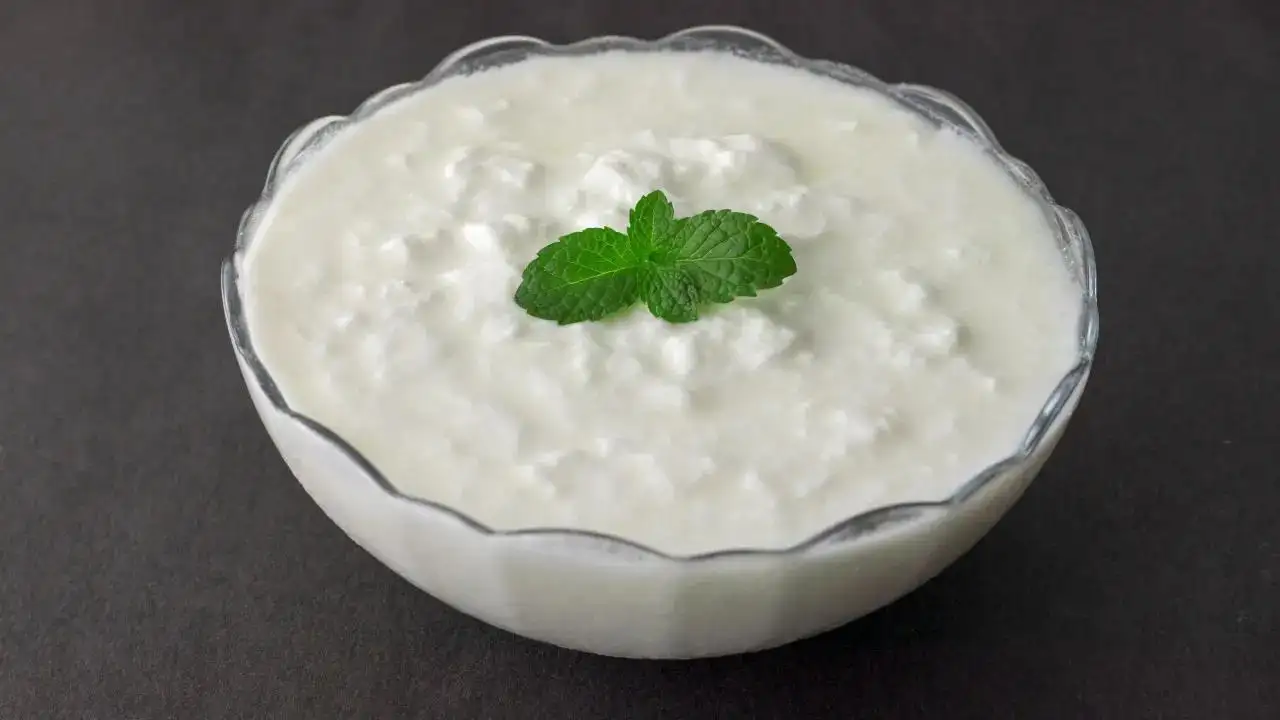
A typical serving of curd contains protein, calcium, phosphorus, potassium, vitamin B12 and riboflavin. These nutrients are essential for maintaining healthy bones, muscles and bodily functions. In addition, curd contains live cultures that contribute to digestive health .
Its nutrient density makes it an excellent food choice for individuals seeking a balanced and healthy diet without relying on highly processed products.
Probiotics are beneficial microorganisms that help maintain a healthy balance of bacteria in the digestive system. A well-balanced gut microbiome supports efficient digestion and may contribute to overall wellbeing.
Regular consumption of probiotic foods such as curd can help promote a healthy digestive environment. These beneficial bacteria assist in breaking down food and supporting the body's natural digestive processes.
This is one reason why curd is often included in meals, particularly after consuming rich or spicy foods.
Because curd contains live bacterial cultures, it is often easier to digest than milk for some individuals. The fermentation process partially breaks down lactose, making it more tolerable for people who may experience mild lactose sensitivity.
The probiotics found in curd help support healthy digestion by encouraging a balanced intestinal environment. Regular consumption as part of a varied diet may contribute to improved digestive comfort and overall gut function.
Including curd in daily meals can be a simple way to support digestive health naturally.
Calcium is essential for maintaining strong bones and teeth throughout life. It also plays an important role in muscle contraction, nerve signalling and blood clotting.
In addition to calcium, curd contains phosphorus, another mineral that supports bone health. Together, these nutrients contribute to maintaining bone strength and reducing the risk of nutrient deficiencies.
For growing children, adults and older individuals alike, consuming calcium-rich foods regularly can support long-term skeletal health.
Curd provides high-quality protein that supports muscle maintenance, growth and recovery. Protein also contributes to satiety, helping individuals feel fuller for longer periods after meals.
For people seeking nutritious snack options or looking to increase protein intake, curd can be a convenient and versatile choice. It pairs well with fruits, vegetables, grains and a variety of traditional dishes.
Its combination of protein and other essential nutrients makes it a valuable component of a healthy diet.
Maintaining a healthy digestive environment through probiotic-rich foods may contribute to overall immune function. The beneficial bacteria present in curd help support a balanced gut microbiome, which plays an important role in the body's natural defence mechanisms.
While curd should not be viewed as a cure or treatment for illnesses, including probiotic foods in a balanced diet can contribute to overall health and wellness.
What Makes Curd So Nutritious?
Curd is created when beneficial bacteria ferment lactose, the natural sugar present in milk. This process not only gives curd its distinctive taste and texture but also enhances its nutritional profile.A typical serving of curd contains protein, calcium, phosphorus, potassium, vitamin B12 and riboflavin. These nutrients are essential for maintaining healthy bones, muscles and bodily functions. In addition, curd contains live cultures that contribute to digestive health .
Its nutrient density makes it an excellent food choice for individuals seeking a balanced and healthy diet without relying on highly processed products.
A Natural Source Of Probiotics
One of the most important health benefits of curd comes from its probiotic content.Probiotics are beneficial microorganisms that help maintain a healthy balance of bacteria in the digestive system. A well-balanced gut microbiome supports efficient digestion and may contribute to overall wellbeing.
Regular consumption of probiotic foods such as curd can help promote a healthy digestive environment. These beneficial bacteria assist in breaking down food and supporting the body's natural digestive processes.
This is one reason why curd is often included in meals, particularly after consuming rich or spicy foods.
Supporting Digestive Health
Digestive health remains one of the most widely recognised benefits associated with curd.Because curd contains live bacterial cultures, it is often easier to digest than milk for some individuals. The fermentation process partially breaks down lactose, making it more tolerable for people who may experience mild lactose sensitivity.
The probiotics found in curd help support healthy digestion by encouraging a balanced intestinal environment. Regular consumption as part of a varied diet may contribute to improved digestive comfort and overall gut function.
Including curd in daily meals can be a simple way to support digestive health naturally.
Strengthening Bones And Teeth
Curd is among the most valuable calcium-rich foods available in many diets.Calcium is essential for maintaining strong bones and teeth throughout life. It also plays an important role in muscle contraction, nerve signalling and blood clotting.
In addition to calcium, curd contains phosphorus, another mineral that supports bone health. Together, these nutrients contribute to maintaining bone strength and reducing the risk of nutrient deficiencies.
For growing children, adults and older individuals alike, consuming calcium-rich foods regularly can support long-term skeletal health.
A Good Source Of High-Quality Protein
Protein is a crucial nutrient required for building and repairing tissues throughout the body.Curd provides high-quality protein that supports muscle maintenance, growth and recovery. Protein also contributes to satiety, helping individuals feel fuller for longer periods after meals.
For people seeking nutritious snack options or looking to increase protein intake, curd can be a convenient and versatile choice. It pairs well with fruits, vegetables, grains and a variety of traditional dishes.
Its combination of protein and other essential nutrients makes it a valuable component of a healthy diet.
May Support Immune Function
A significant portion of the body's immune system is linked to the gut.Maintaining a healthy digestive environment through probiotic-rich foods may contribute to overall immune function. The beneficial bacteria present in curd help support a balanced gut microbiome, which plays an important role in the body's natural defence mechanisms.
While curd should not be viewed as a cure or treatment for illnesses, including probiotic foods in a balanced diet can contribute to overall health and wellness.
A Versatile Addition To Everyday Meals
One of the reasons curd remains popular across different cultures is its versatility.Next Story