
Why Did Ancient People Build Circular Houses? The History and Science Explained

Long before towering skyscrapers and neatly planned city blocks, many ancient communities across Europe, Africa, Asia and the Americas lived in circular houses. From the Celtic roundhouses of Britain to African huts and Native American dwellings, the circular design appeared independently in different parts of the world. This remarkable similarity was no coincidence. Ancient builders chose round homes because they were practical, durable and perfectly suited to the materials available around them. Their simple shape helped withstand harsh weather, made construction easier and created comfortable living spaces. Even today, architects continue to study these ancient designs for inspiration in sustainable housing.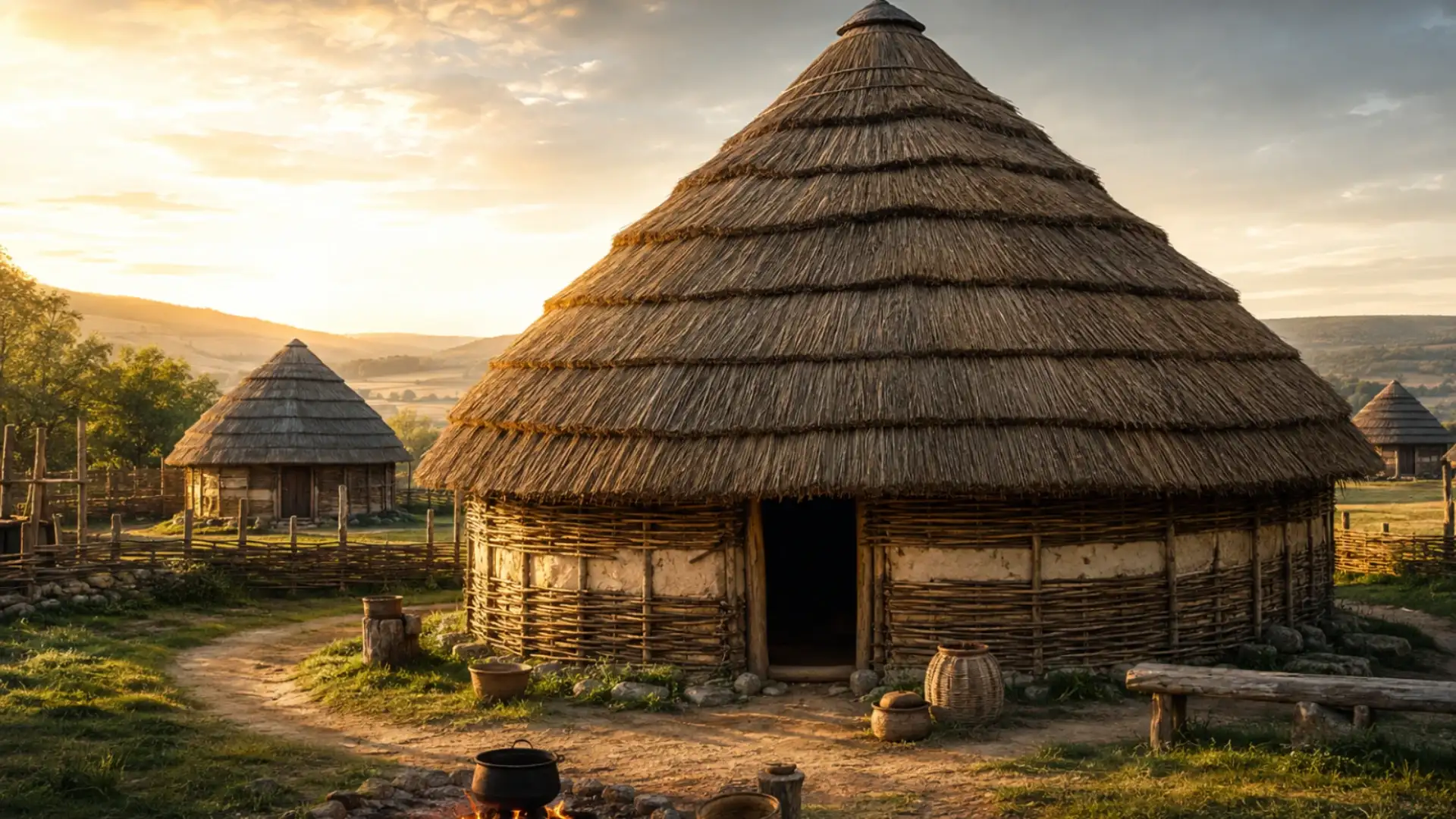
Early communities relied on natural materials such as timber, bamboo, reeds, branches, mud, stone and animal hides. Creating a circular frame with wooden poles placed around a central point required fewer complex joints than constructing square buildings.
The walls naturally supported one another, making the structure stronger without advanced engineering techniques.
For societies with simple tools, this efficient design saved both time and labour.
Unlike square buildings, which have flat sides and sharp corners that catch strong winds, round structures allow air to flow smoothly around them. This reduces pressure on the walls and roof, making the building more resistant to storms.
Many ancient homes also featured conical or domed roofs that allowed rainwater to drain quickly while reducing the risk of leaks.
These practical advantages made circular homes especially valuable in exposed landscapes.
With fewer exposed corners and a compact interior, heat from a central fire spread more evenly throughout the space. Families often gathered around the hearth, which served not only for cooking but also for heating and socialising.
The circular layout encouraged efficient use of available warmth while reducing heat loss during cold nights.
This design proved especially useful in regions with long winters.
Instead of separating people into distinct corners, circular interiors encouraged everyone to gather around the centre. Meals, storytelling, ceremonies and family discussions often took place around a shared fire.
Archaeologists believe this arrangement strengthened social bonds and created a stronger sense of equality within households.
The central hearth became both the physical and emotional heart of the home.
Some Iron Age roundhouses in Britain measured more than 15 metres in diameter and housed extended families along with storage areas for food and tools.
Today, archaeologists use post holes, hearth remains and circular foundation patterns to reconstruct how these remarkable homes once looked.
Modern eco-friendly architecture has also revived interest in circular buildings because they often use materials more efficiently and can reduce energy consumption.
Understanding why ancient people built circular houses reminds us that good design is not always about advanced technology. Often, the simplest solutions prove the most enduring.
The next time you see an ancient roundhouse or a traditional circular hut, remember that its shape reflects thousands of years of practical knowledge. Long before modern engineering, our ancestors discovered that a circle offered one of the smartest ways to build a safe, comfortable and lasting home.
The Simplicity of Building a Circle
One of the biggest reasons ancient people built circular houses was ease of construction.Early communities relied on natural materials such as timber, bamboo, reeds, branches, mud, stone and animal hides. Creating a circular frame with wooden poles placed around a central point required fewer complex joints than constructing square buildings.
The walls naturally supported one another, making the structure stronger without advanced engineering techniques.
For societies with simple tools, this efficient design saved both time and labour.
Better Protection Against Wind and Weather
Circular houses also performed remarkably well in challenging climates.Unlike square buildings, which have flat sides and sharp corners that catch strong winds, round structures allow air to flow smoothly around them. This reduces pressure on the walls and roof, making the building more resistant to storms.
Many ancient homes also featured conical or domed roofs that allowed rainwater to drain quickly while reducing the risk of leaks.
These practical advantages made circular homes especially valuable in exposed landscapes.
Warmer Homes During Cold Seasons
The shape of a circular house naturally helped retain warmth.With fewer exposed corners and a compact interior, heat from a central fire spread more evenly throughout the space. Families often gathered around the hearth, which served not only for cooking but also for heating and socialising.
The circular layout encouraged efficient use of available warmth while reducing heat loss during cold nights.
This design proved especially useful in regions with long winters.
A Design That Encouraged Community
The layout of round houses also influenced daily life.You may also like
Instead of separating people into distinct corners, circular interiors encouraged everyone to gather around the centre. Meals, storytelling, ceremonies and family discussions often took place around a shared fire.
Archaeologists believe this arrangement strengthened social bonds and created a stronger sense of equality within households.
The central hearth became both the physical and emotional heart of the home.
Lesser-Known Facts About Ancient Round Houses
Round houses appeared independently across many cultures despite little or no contact between them. This suggests that different societies arrived at similar architectural solutions because the design offered practical advantages.Some Iron Age roundhouses in Britain measured more than 15 metres in diameter and housed extended families along with storage areas for food and tools.
Today, archaeologists use post holes, hearth remains and circular foundation patterns to reconstruct how these remarkable homes once looked.
Modern eco-friendly architecture has also revived interest in circular buildings because they often use materials more efficiently and can reduce energy consumption.
Why Ancient Circular Houses Still Matter Today
As architects search for more sustainable building methods, ancient circular houses are once again attracting attention. Their energy efficiency, structural strength and clever use of natural materials align with many modern environmental goals.Understanding why ancient people built circular houses reminds us that good design is not always about advanced technology. Often, the simplest solutions prove the most enduring.
The next time you see an ancient roundhouse or a traditional circular hut, remember that its shape reflects thousands of years of practical knowledge. Long before modern engineering, our ancestors discovered that a circle offered one of the smartest ways to build a safe, comfortable and lasting home.






Loving Newspoint? Download the app now
