
Why Did Krishna Worship Shiva Despite Being God Himself?


Among the many fascinating questions in Hindu spirituality, one stands out: Why would Lord Krishna, considered by millions to be God Himself, worship Lord Shiva? At first glance, it may seem confusing. If Krishna is the Supreme Lord, why would He bow before another deity? Yet Hindu scriptures repeatedly describe Krishna honoring Shiva with great devotion. These stories are not meant to establish superiority or inferiority between the two deities. Instead, they reveal a deeper spiritual message about respect, humility, cosmic harmony, and the unity of divine forces. The relationship between Krishna and Shiva is one of the most beautiful examples of mutual reverence in Hindu tradition. Their interactions teach lessons that remain relevant even today.

Krishna Worshipped Shiva To Set An Example For Humanity
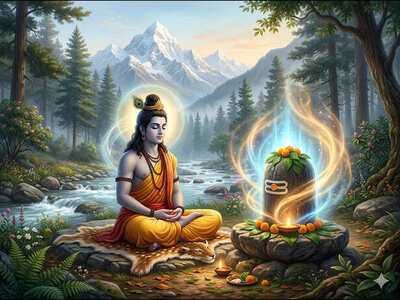 Lord Krishnas reverence for Shiva demonstrated that true greatness is rooted in humility and respect.
One of the most widely accepted explanations is that Krishna performed many actions on Earth to guide human beings. Although divine, Krishna lived among people and demonstrated how an ideal person should behave. By worshipping Shiva, He showed that devotion, respect, and humility are virtues that everyone should practice. Krishna never promoted arrogance based on power or status. Instead, He emphasized honoring wisdom and divinity wherever they appear. Through His actions, He taught that true greatness is reflected not in demanding worship but in offering respect to others.
The Story Of Krishna Seeking Shiva's Blessing For A SonA famous account appears in the Puranas where Krishna desired a powerful son through Jambavati. To fulfill this wish, Krishna performed severe penance and worshipped Shiva with complete dedication. Pleased with His devotion, Shiva granted the boon, and Krishna was blessed with a son named Samba. This story surprises many devotees because Krishna Himself possessed divine powers. Yet He still chose the path of prayer and penance. The episode highlights an important spiritual principle. Divine beings often follow cosmic laws and demonstrate the value of sincere effort rather than bypassing them through power.
Shiva And Krishna Represent Different Expressions Of The Same Divine Reality
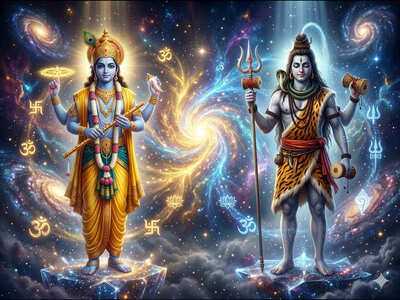 Though worshipped in different forms, Krishna and Shiva are often understood as manifestations of the same supreme reality.
Many Hindu traditions view Shiva and Vishnu not as rivals but as different manifestations of one Supreme Truth. Ancient scriptures frequently emphasize that the divine can take many forms while remaining fundamentally one. This idea is reflected in the concept of Hari-Hara, a sacred form that combines Vishnu and Shiva into a single deity. The symbolism teaches that apparent differences disappear at the highest spiritual level. When Krishna worshipped Shiva, it can be understood as one aspect of the divine honoring another. Rather than competition, the relationship represents unity and mutual reverence.
Krishna Publicly Praised Shiva's GreatnessSeveral texts contain verses where Krishna openly glorifies Shiva. He describes Shiva as compassionate, powerful, and worthy of worship. Similarly, many scriptures also contain stories where Shiva praises Vishnu and Krishna. This mutual admiration serves an important purpose. It prevents devotees from becoming trapped in unnecessary debates about which deity is greater. The scriptures encourage seekers to focus on devotion and spiritual growth rather than division. The repeated exchange of praise between Krishna and Shiva reveals a relationship built on respect rather than rivalry.
The Deeper Spiritual Lesson Hidden In These Stories
 The relationship between Krishna and Shiva teaches that all paths of sincere devotion ultimately lead to the same divine truth.
Perhaps the most important message lies beyond theology. Krishna's worship of Shiva teaches humility. Even the highest divine figures demonstrate respect, gratitude, and devotion.In today's world, people often measure worth through status, influence, or achievements. Krishna's example points in the opposite direction. True spiritual strength is not diminished by showing reverence. In fact, humility enhances greatness. The stories also remind devotees that different paths can lead toward the same divine destination. Whether one worships Krishna, Shiva, or another form of God, sincere devotion remains the heart of spirituality. This understanding has helped Hinduism embrace diversity while maintaining a profound sense of unity.
The Divine Secret Behind Krishna's Worship Of ShivaKrishna's worship of Shiva is not a contradiction but a profound spiritual lesson. Through these sacred stories, Krishna demonstrated humility, respect, and the importance of devotion. His actions remind us that divine wisdom transcends ego and division. For some traditions, Krishna worshipped Shiva to set an example for humanity. For others, it reflects the eternal harmony between different manifestations of the same Supreme Reality. Whatever interpretation one follows, the message remains powerful. Krishna and Shiva are not symbols of competition but of divine unity. Their relationship encourages devotees to look beyond differences, embrace mutual respect, and recognize the sacred presence that shines through every form of the Divine.
Unlock insightful tips and inspiration on personal growth, productivity, and well-being. Stay motivated and updated with the latest at My Life XP.
Krishna Worshipped Shiva To Set An Example For Humanity
One of the most widely accepted explanations is that Krishna performed many actions on Earth to guide human beings. Although divine, Krishna lived among people and demonstrated how an ideal person should behave. By worshipping Shiva, He showed that devotion, respect, and humility are virtues that everyone should practice. Krishna never promoted arrogance based on power or status. Instead, He emphasized honoring wisdom and divinity wherever they appear. Through His actions, He taught that true greatness is reflected not in demanding worship but in offering respect to others.
The Story Of Krishna Seeking Shiva's Blessing For A SonA famous account appears in the Puranas where Krishna desired a powerful son through Jambavati. To fulfill this wish, Krishna performed severe penance and worshipped Shiva with complete dedication. Pleased with His devotion, Shiva granted the boon, and Krishna was blessed with a son named Samba. This story surprises many devotees because Krishna Himself possessed divine powers. Yet He still chose the path of prayer and penance. The episode highlights an important spiritual principle. Divine beings often follow cosmic laws and demonstrate the value of sincere effort rather than bypassing them through power.
Shiva And Krishna Represent Different Expressions Of The Same Divine Reality
Many Hindu traditions view Shiva and Vishnu not as rivals but as different manifestations of one Supreme Truth. Ancient scriptures frequently emphasize that the divine can take many forms while remaining fundamentally one. This idea is reflected in the concept of Hari-Hara, a sacred form that combines Vishnu and Shiva into a single deity. The symbolism teaches that apparent differences disappear at the highest spiritual level. When Krishna worshipped Shiva, it can be understood as one aspect of the divine honoring another. Rather than competition, the relationship represents unity and mutual reverence.
Krishna Publicly Praised Shiva's GreatnessSeveral texts contain verses where Krishna openly glorifies Shiva. He describes Shiva as compassionate, powerful, and worthy of worship. Similarly, many scriptures also contain stories where Shiva praises Vishnu and Krishna. This mutual admiration serves an important purpose. It prevents devotees from becoming trapped in unnecessary debates about which deity is greater. The scriptures encourage seekers to focus on devotion and spiritual growth rather than division. The repeated exchange of praise between Krishna and Shiva reveals a relationship built on respect rather than rivalry.
The Deeper Spiritual Lesson Hidden In These Stories
Perhaps the most important message lies beyond theology. Krishna's worship of Shiva teaches humility. Even the highest divine figures demonstrate respect, gratitude, and devotion.In today's world, people often measure worth through status, influence, or achievements. Krishna's example points in the opposite direction. True spiritual strength is not diminished by showing reverence. In fact, humility enhances greatness. The stories also remind devotees that different paths can lead toward the same divine destination. Whether one worships Krishna, Shiva, or another form of God, sincere devotion remains the heart of spirituality. This understanding has helped Hinduism embrace diversity while maintaining a profound sense of unity.
The Divine Secret Behind Krishna's Worship Of ShivaKrishna's worship of Shiva is not a contradiction but a profound spiritual lesson. Through these sacred stories, Krishna demonstrated humility, respect, and the importance of devotion. His actions remind us that divine wisdom transcends ego and division. For some traditions, Krishna worshipped Shiva to set an example for humanity. For others, it reflects the eternal harmony between different manifestations of the same Supreme Reality. Whatever interpretation one follows, the message remains powerful. Krishna and Shiva are not symbols of competition but of divine unity. Their relationship encourages devotees to look beyond differences, embrace mutual respect, and recognize the sacred presence that shines through every form of the Divine.
Unlock insightful tips and inspiration on personal growth, productivity, and well-being. Stay motivated and updated with the latest at My Life XP.
Next Story