
Why Do Certain Plants Attract Butterflies But Not Other Insects?

Plant a flowering garden and you may notice something interesting. One type of flower can be surrounded by butterflies, while another plant just a few steps away appears to receive hardly any visitors. This can make it seem as though butterflies have very specific preferences when choosing where to feed.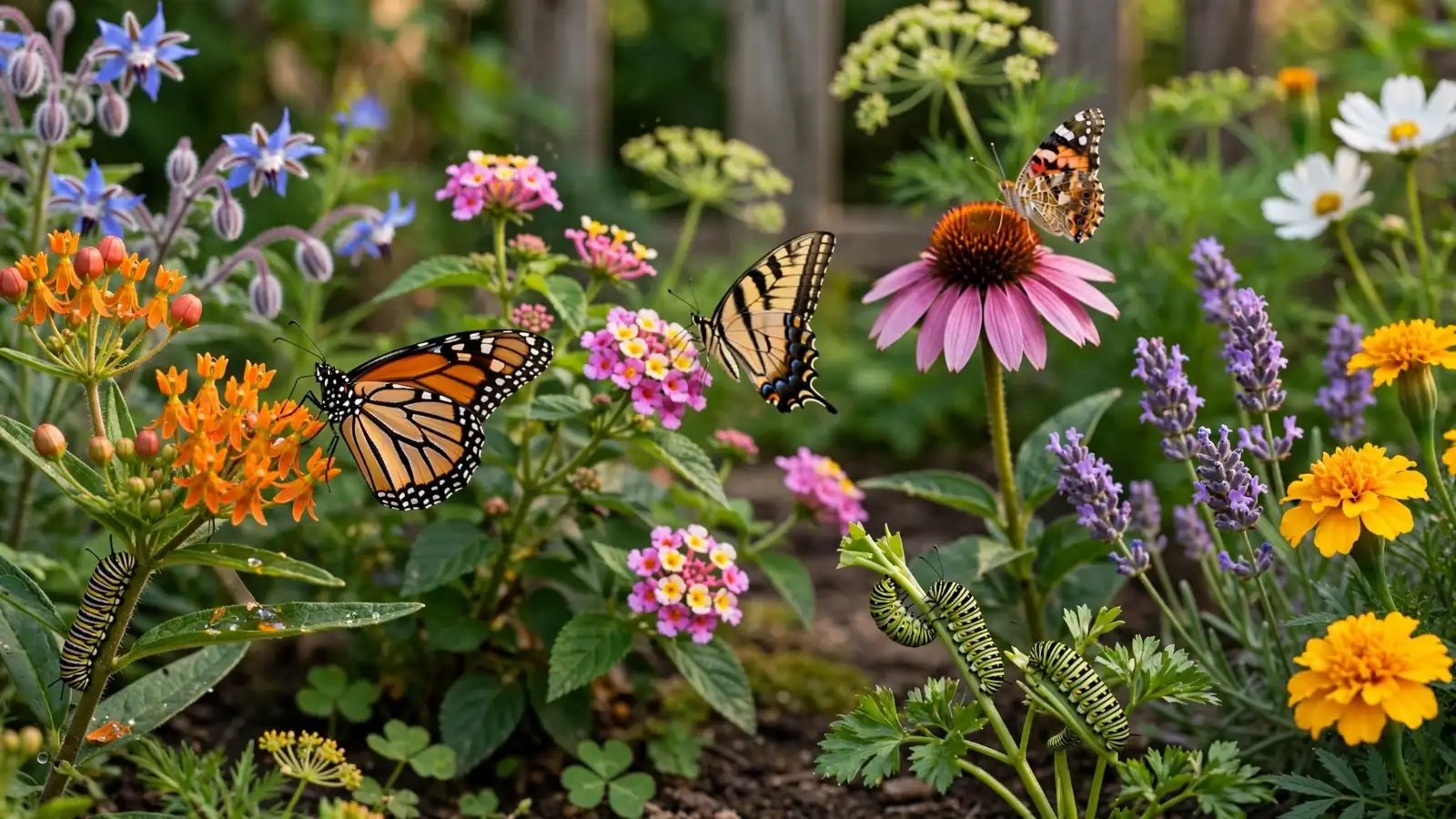
So, why do certain plants attract butterflies but not other insects? The answer is that butterflies are not simply looking for any flower. They respond to a combination of visual, chemical and environmental signals that help them identify useful sources of food and suitable places to spend time.
However, colour alone does not guarantee that a butterfly will visit a particular flower. Once it reaches the plant, it still needs to be able to land comfortably and access the food available inside the flower. This is why two equally colourful plants can attract very different numbers of butterflies.
Other flowers may be better suited to insects with different body shapes or feeding structures. As a result, the same garden can attract several types of pollinators, while individual species repeatedly choose particular plants. The shape of a flower can effectively determine which visitors can reach its rewards.
Butterflies may also learn from their surroundings. If a particular plant repeatedly provides a useful food source, a butterfly may be more likely to return to similar flowers. This can help explain why some plants appear to become regular butterfly hotspots while others receive far fewer visits.
Many butterfly caterpillars are highly specialised and feed on particular host plants. Female butterflies may therefore look for suitable plants where they can lay their eggs, because those plants will provide food for the caterpillars after they hatch.
This means a garden designed to support butterflies can benefit from having both nectar-producing flowers for adults and suitable host plants for caterpillars. Simply filling a garden with colourful flowers may not provide everything butterflies need throughout their life cycle.
A sunny, sheltered garden containing a variety of plants can therefore provide a more useful habitat than one containing only a single flowering species. The surrounding environment can influence whether a plant becomes a convenient stop for butterflies or simply another flower they pass by.
A flower that is perfectly suited to butterflies may be less useful to a bee, beetle or another insect. Some insects may be better equipped to access certain types of flowers, while others may respond more strongly to different colours, scents or plant structures. These differences help create the remarkable variety of relationships between plants and pollinators.
The next time you notice butterflies repeatedly choosing one plant over another, they are not simply picking their favourite flower. They are responding to a complex collection of signals that helps them identify food, suitable habitat and, in some cases, the right plants for the next generation. What looks like a simple garden preference is actually part of an intricate relationship between plants and the insects that depend on them.
So, why do certain plants attract butterflies but not other insects? The answer is that butterflies are not simply looking for any flower. They respond to a combination of visual, chemical and environmental signals that help them identify useful sources of food and suitable places to spend time.
Colour Is An Important Clue
Colour is one of the first signals that can help butterflies locate flowers. Butterflies have sophisticated visual systems and can detect colours differently from humans, allowing brightly coloured flowers to stand out against green leaves and surrounding vegetation. This can make certain blooms easier for them to spot while flying through a garden or natural habitat.However, colour alone does not guarantee that a butterfly will visit a particular flower. Once it reaches the plant, it still needs to be able to land comfortably and access the food available inside the flower. This is why two equally colourful plants can attract very different numbers of butterflies.
Flower Shape Matters
Flowers come in an enormous variety of shapes, and not every structure is equally convenient for every pollinator. Butterflies have long, specialised mouthparts called proboscises, which they use to reach nectar. Flowers with nectar that can be accessed using this feeding structure can therefore be particularly useful to them.Other flowers may be better suited to insects with different body shapes or feeding structures. As a result, the same garden can attract several types of pollinators, while individual species repeatedly choose particular plants. The shape of a flower can effectively determine which visitors can reach its rewards.
Nectar Is A Major Reward
For adult butterflies, nectar is an important source of food and energy. A flower that offers accessible and rewarding nectar can become a valuable stop as a butterfly moves through its surroundings in search of food. Nectar production can vary between plant species and can also change depending on environmental conditions.Butterflies may also learn from their surroundings. If a particular plant repeatedly provides a useful food source, a butterfly may be more likely to return to similar flowers. This can help explain why some plants appear to become regular butterfly hotspots while others receive far fewer visits.
Some Plants Feed Caterpillars Too
There is another important part of the relationship that is easy to overlook. The plants that attract adult butterflies are not necessarily the same plants their young need to survive.You may also like
- Oscar Wilde's most famous one-liner quote may be wrongly attributed: The strange story behind “I have nothing to declare except my genius” and what really happened at US customs in 1882
- Maninee De Recalls Sushmita Sen at Miss India
- Fatty Liver Diet: 7 Healthy Snacks That May Support Liver Health, According to Experts
- Dandiya Night 2026: 5 Stylish Men's Outfit Ideas Inspired by Parth Samthaan
- October 5, 1892 heist: The Dalton Gang tried to rob two banks at once in broad daylight, but a cashier stalled them, townspeople grabbed guns and the daring heist ended in a deadly shootout
Many butterfly caterpillars are highly specialised and feed on particular host plants. Female butterflies may therefore look for suitable plants where they can lay their eggs, because those plants will provide food for the caterpillars after they hatch.
This means a garden designed to support butterflies can benefit from having both nectar-producing flowers for adults and suitable host plants for caterpillars. Simply filling a garden with colourful flowers may not provide everything butterflies need throughout their life cycle.
Location Makes A Difference
Butterflies generally need more than food. They also require suitable places for basking, resting and sheltering from wind or unfavourable weather. Because they are cold-blooded animals, sunlight can be particularly important for helping them regulate their body temperature.A sunny, sheltered garden containing a variety of plants can therefore provide a more useful habitat than one containing only a single flowering species. The surrounding environment can influence whether a plant becomes a convenient stop for butterflies or simply another flower they pass by.
Not Every Insect Wants The Same Thing
A flower is not a universal invitation to every insect. Different pollinators have different senses, feeding structures, behaviours and life cycles, so their requirements can vary considerably.A flower that is perfectly suited to butterflies may be less useful to a bee, beetle or another insect. Some insects may be better equipped to access certain types of flowers, while others may respond more strongly to different colours, scents or plant structures. These differences help create the remarkable variety of relationships between plants and pollinators.
A Butterfly Garden Is More Than Flowers
If you want to understand why certain plants attract butterflies, it helps to look beyond colour. Flower shape, nectar, scent, sunlight, shelter and caterpillar host plants can all influence which butterflies visit a particular garden.The next time you notice butterflies repeatedly choosing one plant over another, they are not simply picking their favourite flower. They are responding to a complex collection of signals that helps them identify food, suitable habitat and, in some cases, the right plants for the next generation. What looks like a simple garden preference is actually part of an intricate relationship between plants and the insects that depend on them.






Loving Newspoint? Download the app now
